Choosing the Right Logistics Mix for Growth
The logistics mix that is optimal at ₹20 lakh monthly revenue is not optimal at ₹80 lakh. A single courier aggregator that simplified operations at small scale may be 8 to 12% more expensive per shipment than direct courier contracts at large scale. Optimising the logistics mix as the business grows is not procurement management it is margin management.
Manroze
Author
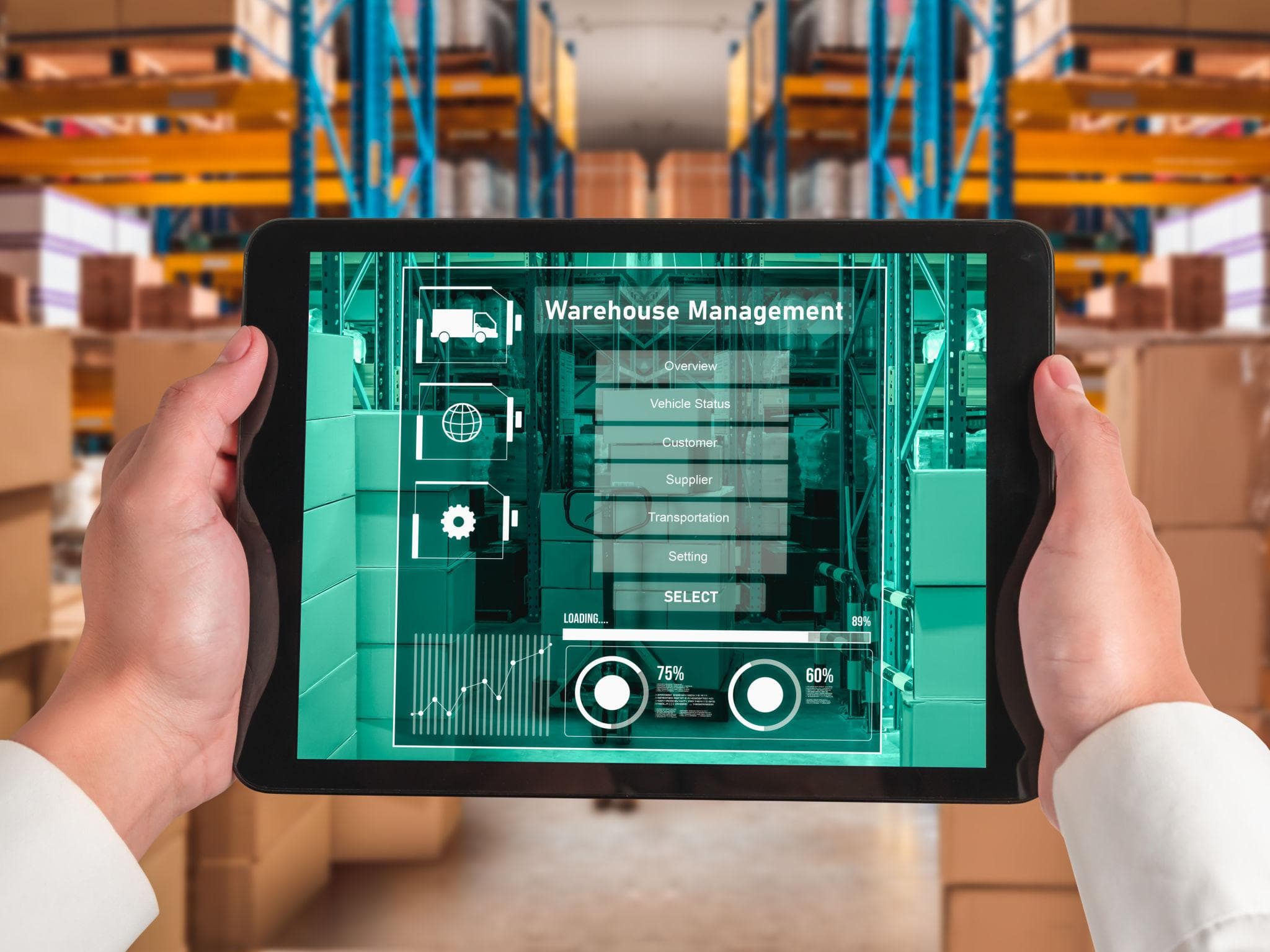
Every D2C business uses logistics. Very few D2C businesses actively manage their logistics mix the specific combination of courier partners, fulfilment models (self-warehouse, third-party fulfilment, marketplace FBA/FBF), and shipping service levels that together determine the total logistics cost per order, the delivery performance by geography, and the scalability of the fulfilment operation as volume grows. The logistics mix decision is made once at launch typically by default (whichever courier aggregator the founding team was familiar with, whatever fulfilment model was cheapest or most accessible at the time) and revisited only when a specific problem forces the issue. The result is a logistics mix that is increasingly suboptimal as the business scales, with costs that are higher than the volume justifies and performance that is lower than the alternatives available would produce.
The Logistics Mix Decision Framework
The right logistics mix at any revenue stage is determined by four dimensions. Cost per shipment by zone: the effective cost per shipment to each major delivery zone (metro, Tier 1 city, Tier 2, Tier 3, rural) including all fees base shipping, fuel surcharge, COD fee, AWB charge, and any package handling fee. This cost should be compared across available courier options for each zone and the lowest-cost courier with acceptable delivery performance should be the routing preference. Delivery performance by zone: the first-attempt delivery success rate and average delivery days versus committed days by courier partner and by delivery zone. High-cost couriers with poor zonal delivery performance provide no value. Scalability: whether the current logistics mix can accommodate the projected volume increase without service degradation the courier that provides excellent service at 1,500 monthly shipments may be operationally unavailable at 8,000 monthly shipments without a prior volume commitment.Returns and COD management: the completeness and reliability of the courier's reverse logistics network, and the reliability and speed of COD remittance. COD remittance delays common with smaller courier partners and aggregators can create cash flow problems that are disproportionate to their scale. The logistics mix at each growth stage should be explicitly evaluated on all four dimensions, not just on cost per shipment.
The Logistics Mix by Revenue Stage
| Revenue Stage | Recommended Logistics Mix | Primary Optimisation Focus |
|---|---|---|
| ₹5L–₹25L/month | Single aggregator (Shiprocket, Pickrr) for full network simplicity over cost | Delivery performance and COD collection reliability |
| ₹25L–₹60L/month | Primary direct courier for top-5 delivery zones + aggregator for remaining beginning of rate renegotiation | Rate optimisation in high-volume zones; performance monitoring begins |
| ₹60L–₹1.5Cr/month | Direct contracts with 2–3 couriers allocated by zone performance data; aggregator for overflow only | Geography-based courier routing optimisation; dimensional weight optimisation |
| Above ₹1.5Cr/month | Direct contracts with 3–4 couriers; marketplace FBA/FBF for marketplace channels; own forward stocking locations for top-5 metro markets | Delivery speed advantage through inventory positioning; cost per order optimisation across all channels |
The Annual Logistics Mix Review
- Calculate the effective cost per shipment for each courier partner by zone, updated quarterly the rate that was competitive 12 months ago may no longer be competitive at current volume
- Compare actual delivery performance by courier and zone against the service level agreement monthly couriers that consistently underperform on delivery commitment should lose volume to better-performing alternatives regardless of rate competitiveness
- Review the aggregator versus direct courier cost-benefit annually as volume milestones are crossed the break-even point where direct courier contracts become cost-effective versus aggregator pricing is typically reached at 2,000 to 3,000 monthly shipments per courier partner
- Evaluate fulfilment model options annually the self-warehouse model that was right at ₹30 lakh monthly revenue may be less cost-effective than a 3PL partnership at ₹1 crore monthly revenue, depending on SKU count, order complexity, and geographic delivery requirements

Related articles
View all → Autonomous Coordination
The Rise of Autonomous Enterprise Coordination Platforms
Enterprise coordination the alignment of people, processes, information, and resources across organisational boundaries has always been expensive, slow, and error-prone when managed through human intermediaries alone. Autonomous coordination platforms powered by AI are replacing the coordination overhead of large organisations with intelligent systems that synchronise the enterprise continuously and without manual intervention.
 AI Agents
How AI Agents Are Transforming Enterprise Workflow Intelligence
AI agents autonomous systems that perceive their environment, reason about objectives, and take action across enterprise workflows are moving from research concept to operational reality. The enterprises deploying AI agents at scale are discovering that workflow intelligence is not just about automation it is about creating organisational capability that compounds with every cycle.
 Enterprise Management
The Future of Enterprise Management Through AI Execution Layers
Enterprise management is being restructured by AI execution layers intelligent systems that sit between strategic direction and operational action, translating intent into coordinated execution at a speed and consistency that human management hierarchies cannot match. The enterprises that deploy these layers effectively are redefining what management means and what managers do.