The 'Hidden Costs' That Slowly Kill Your Margins
The costs that appear in your P&L as clear line items are not the ones that quietly destroy your margins. It is the costs that are distributed across five different accounts, never aggregated, and therefore never managed that compound into the difference between a 22% contribution margin and a 9% one.
Nirmal Nambiar
Author
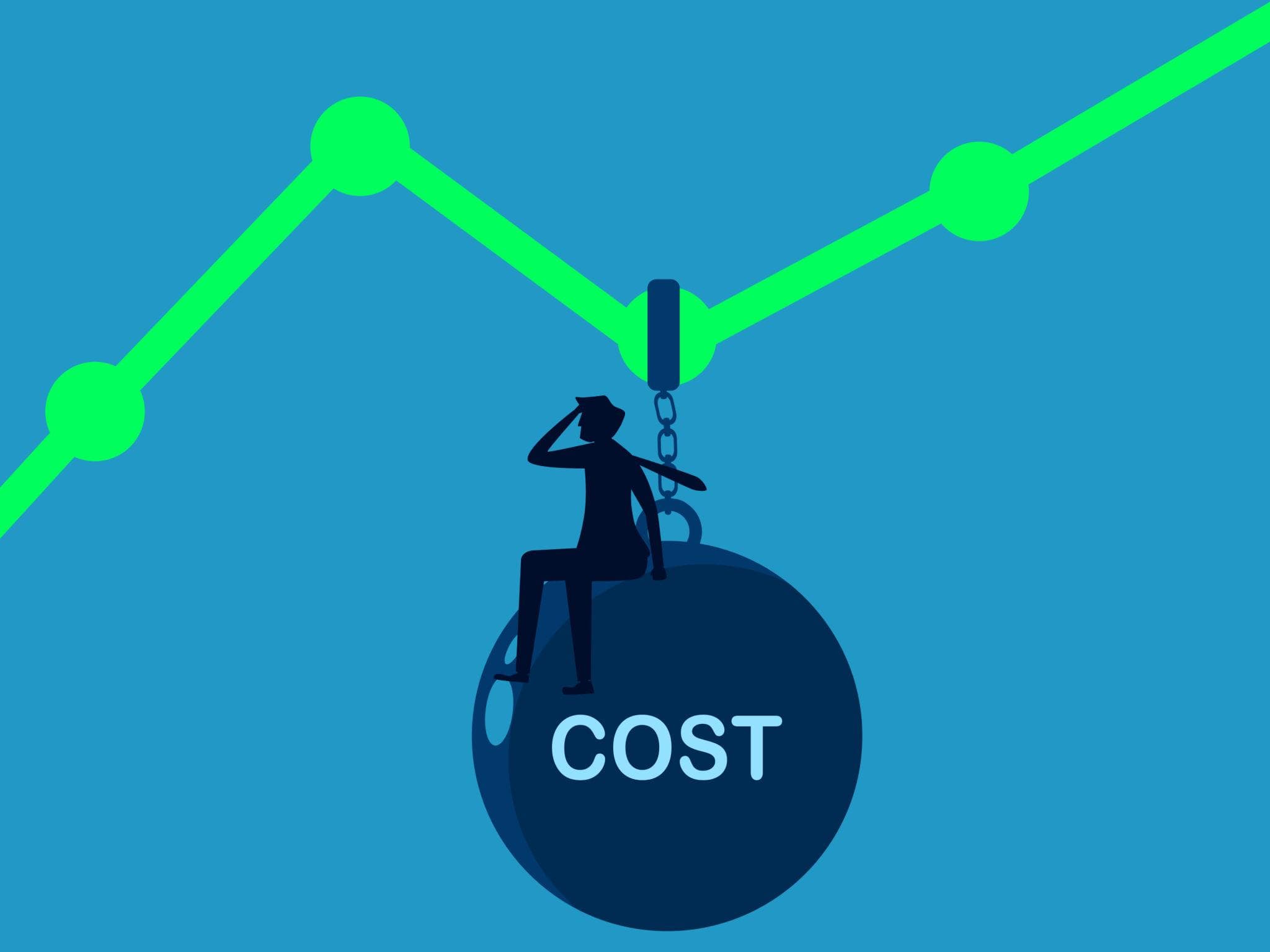
The margin problem in most D2C and FMCG businesses is not the visible costs COGS, marketplace commissions, and marketing spend are tracked, reported, and actively managed. The margin problem is the invisible cost layer the costs that are real, operational, and significant but that never appear as a single named line item because they are distributed across multiple accounting categories or never captured in the financial reporting at all. The founder who believes their contribution margin is 32% because that is what the simplified P&L shows has not measured the costs that are hiding in warehouse expense, in the logistics write-offs, in the customer service overhead, in the payment gateway variance, and in the inventory adjustment entries. When these costs are aggregated into a true operational cost view, the same business's contribution margin is often 20 to 24% a 8 to 12 percentage point gap that represents the difference between a viable scaling business and one that is destroying value at growth.
Building the True Margin View
The true margin calculation starts with net revenue after returns and discounts and subtracts every variable cost in each of the eight categories above not a blended average assumption, but the actual measured cost from operational data. For most brands running this calculation for the first time, the true contribution margin is 8 to 14 percentage points lower than the simplified P&L suggests. This gap is not a reason for despair. It is a roadmap: each of the eight hidden cost categories represents a specific, actionable improvement opportunity. The settlement reconciliation gap can be closed with automation. The return cost can be reduced with a root cause programme. The inventory carrying cost can be reduced with better demand planning. The rework cost can be reduced with process controls. The aggregate improvement available from addressing all eight categories typically represents 6 to 10 percentage points of contribution margin recovery the difference between a business that is structurally marginal and one that is structurally profitable.

Related articles
View all → Autonomous Coordination
The Rise of Autonomous Enterprise Coordination Platforms
Enterprise coordination the alignment of people, processes, information, and resources across organisational boundaries has always been expensive, slow, and error-prone when managed through human intermediaries alone. Autonomous coordination platforms powered by AI are replacing the coordination overhead of large organisations with intelligent systems that synchronise the enterprise continuously and without manual intervention.
 AI Agents
How AI Agents Are Transforming Enterprise Workflow Intelligence
AI agents autonomous systems that perceive their environment, reason about objectives, and take action across enterprise workflows are moving from research concept to operational reality. The enterprises deploying AI agents at scale are discovering that workflow intelligence is not just about automation it is about creating organisational capability that compounds with every cycle.
 Enterprise Management
The Future of Enterprise Management Through AI Execution Layers
Enterprise management is being restructured by AI execution layers intelligent systems that sit between strategic direction and operational action, translating intent into coordinated execution at a speed and consistency that human management hierarchies cannot match. The enterprises that deploy these layers effectively are redefining what management means and what managers do.