The Last 5% of Delivery That Impacts 95% of Experience
The entire supply chain production, quality, packaging, dispatch, transit delivers the product to within 200 metres of the customer. The last 200 metres the delivery agent interaction, the condition of the package at handover, the accuracy of the tracking at the moment of delivery determines 95% of the customer's emotional response to the entire experience.
Manroze
Author
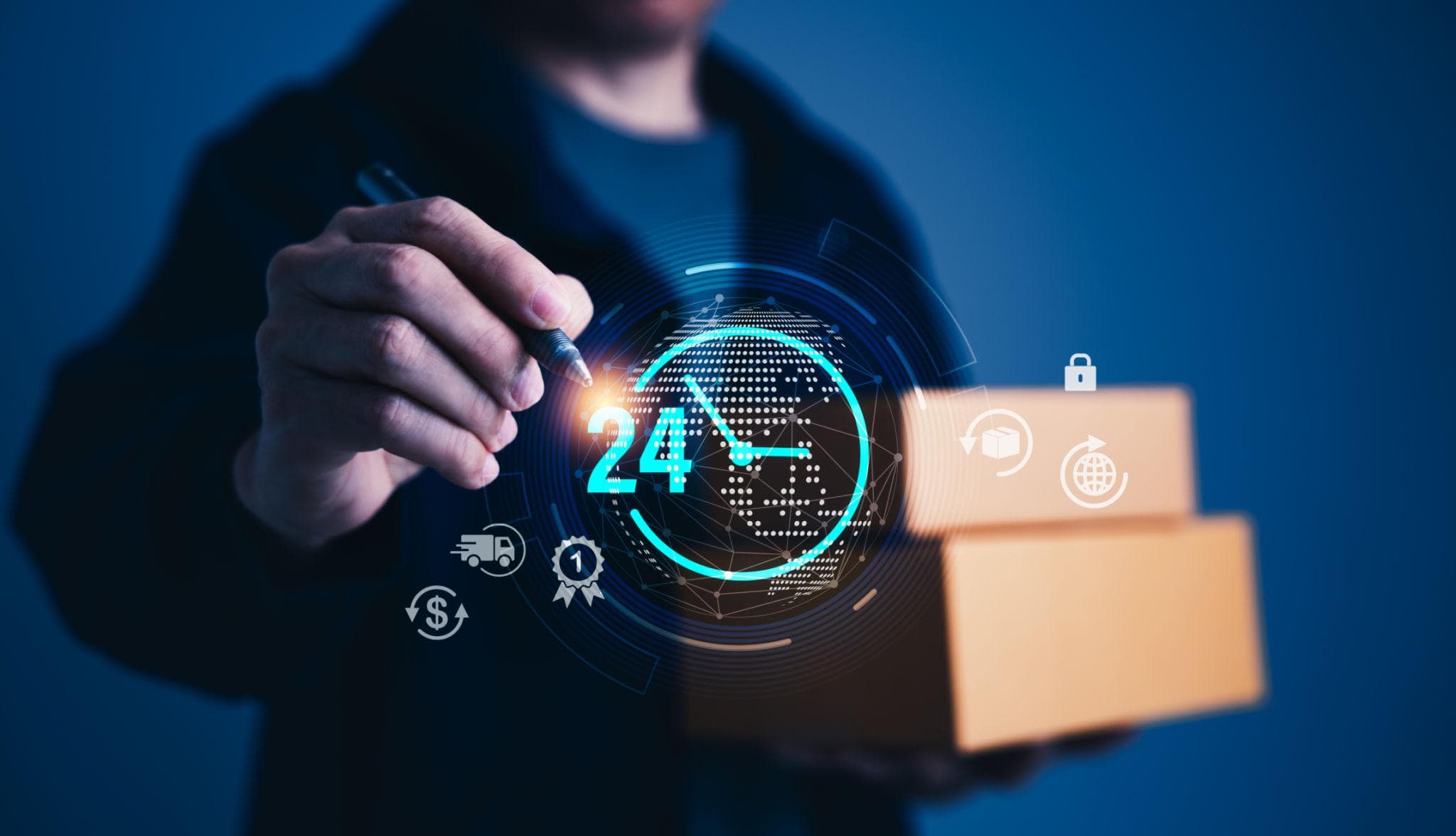
The psychology of service experience is well-documented: the end of an experience has a disproportionate weight in the overall memory of that experience a phenomenon psychologists call the peak-end rule. For a D2C customer, the 'end' of the purchase experience is the delivery the moment when the package arrives, the customer opens it, and the product meets (or fails to meet) the expectation that every previous touchpoint in the purchase journey created. All the work that preceded this moment the product quality, the marketing content, the packaging design, the transit tracking is either validated or undermined at this final touchpoint. A product that arrives in a crushed box, handed over by a delivery agent who rings the bell once and marks it as delivered when the customer was home, with a tracking update that showed 'delivered' three hours before the actual delivery occurred, has failed the peak-end test regardless of the product quality inside the box.
The Five Last-5% Moments That Shape the Delivery Experience
Moment 1: The out-for-delivery notification accuracy
The out-for-delivery notification that arrives at 8am for a delivery that actually occurs at 6pm has trained the customer to be home all day or worse, to check their phone every hour and experience increasing frustration as the promised delivery window passes without arrival. Accurate out-for-delivery notifications those that arrive within two hours of the actual delivery attempt require courier real-time location data integration. Brands that have implemented this report a measurable improvement in customer satisfaction at the delivery moment, because the customer who expected the delivery between 4pm and 6pm and receives it at 5:30pm has had their expectation met.
Moment 2: The delivery agent interaction
In India's last-mile delivery context, the delivery agent is the only human representative of the brand that most customers ever interact with. The agent who rings the bell, waits patiently, confirms the customer's name, and hands over the package with a brief 'your order from [brand]' has created a brand touchpoint. The agent who rings once, marks 'no one home' when the customer is inside, or handles the package carelessly in view of the customer has damaged the brand. Most brands have no mechanism for influencing or monitoring delivery agent behaviour because the agent is employed by a courier partner, not by the brand.
Moment 3: Package condition at handover
The package that arrives with a torn corner, a punctured seal, or visible handling damage creates an instant quality concern before the product is even visible. In personal care and food categories, damaged packaging signals potential product contamination or quality compromise producing a return or a refusal at the doorstep. In electronics and accessories, damaged packaging signals potential product damage. The package condition at handover is determined partly by the packaging specification (whether it was designed for e-commerce transit stress) and partly by the courier's handling protocol.
Moment 4: The unboxing experience
The thirty seconds when the customer opens the package and sees the product for the first time is the peak moment of the D2C purchase experience. Every element visible in these thirty seconds the inner packaging presentation, the product appearance, the any-included inserts or samples contributes to or detracts from the emotional peak that the customer will remember. A product in plain polybag inside a plain brown box creates a minimal emotional peak. The same product in brand-coloured tissue paper with a personalised note and a sample creates a genuine delight moment that the customer is likely to share.
Moment 5: The 24-hour post-delivery communication
The post-delivery check-in message 'has your order arrived safely? Is everything as expected?' sent 24 hours after the delivery confirmation is the brand's first communication after the customer has experienced the product. It demonstrates that the brand cares about the experience beyond the transaction, creates a natural channel for flagging any issues before they escalate to a return, and primes the customer for the next brand touchpoint. Brands that implement this message report a 12 to 20% improvement in post-delivery NPS compared to the baseline of no post-delivery communication.
The Last-5% Investment That Delivers the Highest Retention ROI
Of the five last-5% moments, the unboxing experience and the post-delivery communication are the two that brands have the most direct control over and that deliver the most measurable retention return. The unboxing experience improvement brand-consistent inner packaging, a personalised insert, and a small sample of a complementary product typically costs ₹15 to ₹40 per order in incremental material cost and produces a 8 to 15 percentage point improvement in 30-day repeat purchase rate for first-time customers who experience it versus those who do not. At ₹600 CAC and ₹2,400 LTV, a 10-point retention improvement on 500 monthly new customers represents 50 additional retained customers × ₹2,400 LTV = ₹1.2 lakh per month in incremental LTV from a ₹15 to ₹40 per order material investment.

Related articles
View all → AI
AIThe Future of AI-Powered Digital Marketplaces
Digital marketplaces are evolving from transactional platforms into intelligent commerce ecosystems. AI is reshaping how buyers discover products, how sellers manage operations, and how platforms create value for everyone in the ecosystem and the pace of this transformation is accelerating.
 Customer Support
How AI Can Transform Enterprise Customer Support Systems
Customer support is one of the highest-cost, highest-impact functions in a growing enterprise. AI is transforming it from a cost centre with linear scaling constraints into an intelligent service layer that delivers better customer outcomes at a fraction of the traditional cost per interaction.
 Logistics
The Future of Smart Logistics and Autonomous Delivery Systems
Autonomous vehicles, drone delivery, AI-powered routing, and real-time supply chain visibility are moving from pilot projects to operational infrastructure. The logistics industry is undergoing its most significant transformation since containerisation and the businesses that adapt earliest will define the next era of commerce.