Returns Management: A System, Not a Problem
A return is not a failure to be minimised it is a transaction to be managed. The brand that treats returns as a system extracts intelligence from each return, recovers maximum value from returned goods, and uses the return data to prevent the next return from occurring. The brand that treats returns as a problem to be handled spends the same cost without any of the intelligence.
Manroze
Author
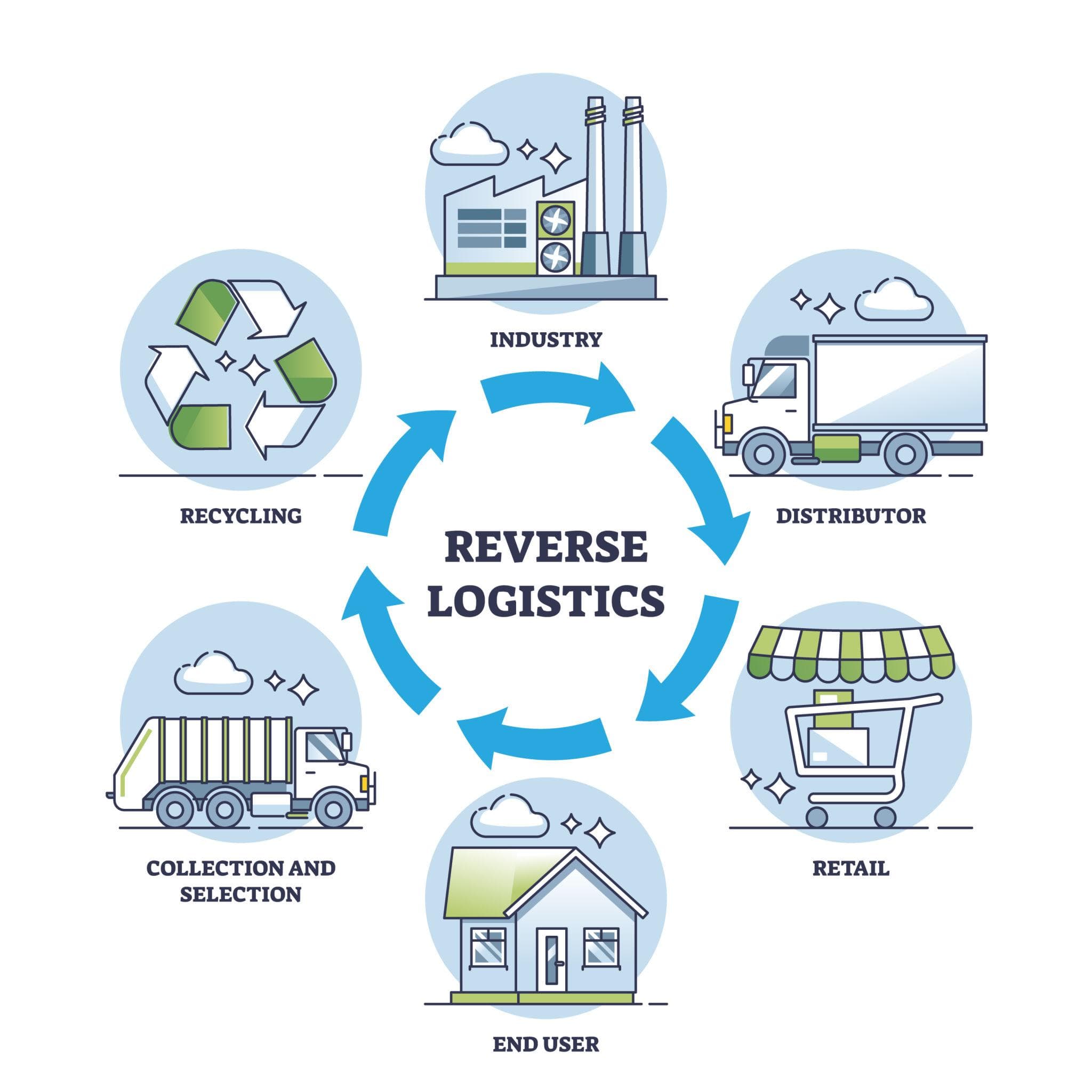
The D2C brand processing 15% of its orders as returns is paying the cost of those returns regardless of whether it manages them well or poorly. The difference between managing returns well and managing them poorly is not the return rate both brands have 15% returns. The difference is whether the return process extracts the intelligence that would reduce the next period's return rate, whether returned goods are recovered at the maximum viable resale value, whether the return experience is good enough to retain the customer for a future purchase, and whether the return data is reaching the people who can use it to change the product, the description, or the targeting that generated the return.
The Five Components of a Returns Management System
Component 1: Return initiation experience
The customer's experience when initiating a return sets the tone for whether they will attempt a future purchase. A return initiation process that is easy to find, requires no customer service contact, provides immediate confirmation, and communicates a clear timeline for refund or replacement converts 20 to 35% of returning customers into future purchasers because they experienced the brand's service quality at its most challenging moment and found it competent and respectful. A return initiation process that requires the customer to call a number, wait for a call back, explain the return reason to a human agent, and wait for manual approval converts almost none.
Component 2: Return reason capture and coding
Every return should have a coded return reason not a free-text field, but a structured set of mutually exclusive reason categories (product not as described, quality below expectation, wrong size or variant, damaged in transit, changed mind, ordered by mistake) with a sub-category for the most common reason in each category. The coded reason allows the returns data to be aggregated, trended, and segmented by SKU and channel producing the monthly return reason analysis that is the primary input to return rate reduction initiatives.
Component 3: Returned goods recovery process
Not all returned goods must be written off. Returned goods that arrive in original, sealed, unopened condition can be returned to sellable stock. Returned goods that arrive in opened but undamaged condition can be resold as 'customer return' at a modest discount. Returned goods that arrive damaged can be salvaged for parts or ingredients where applicable. Only returned goods that are truly unsaleable should be written off. The recovery rate the proportion of returned goods that generate some revenue is determined by the quality inspection process at receipt and the resale channel strategy for non-primary-condition goods.
Component 4: Return intelligence routing
The return reason data collected in component 2 is valuable only if it reaches the people who can act on it. A monthly return reason summary should go to the marketing team (for product description updates), the product team (for quality or formulation improvements), the procurement team (for packaging or fulfilment issue resolution), and the operations team (for courier damage rate by carrier). The intelligence routing is the mechanism that converts the return cost into a return-rate-reduction investment.
Component 5: Customer retention post-return
The customer who returns a product is not necessarily lost. The brand that handles the return well fast refund, genuine apology where the brand was at fault, proactive resolution has an opportunity to retain a customer who has had a negative product experience but a positive service experience. A personalised post-resolution follow-up, a modest loyalty credit for the inconvenience, and a product recommendation that addresses the specific issue the return revealed (a different variant, a complementary product, a size recommendation tool) converts a meaningful proportion of returning customers into second-purchase customers.

Related articles
View all → Autonomous Coordination
The Rise of Autonomous Enterprise Coordination Platforms
Enterprise coordination the alignment of people, processes, information, and resources across organisational boundaries has always been expensive, slow, and error-prone when managed through human intermediaries alone. Autonomous coordination platforms powered by AI are replacing the coordination overhead of large organisations with intelligent systems that synchronise the enterprise continuously and without manual intervention.
 AI Agents
How AI Agents Are Transforming Enterprise Workflow Intelligence
AI agents autonomous systems that perceive their environment, reason about objectives, and take action across enterprise workflows are moving from research concept to operational reality. The enterprises deploying AI agents at scale are discovering that workflow intelligence is not just about automation it is about creating organisational capability that compounds with every cycle.
 Enterprise Management
The Future of Enterprise Management Through AI Execution Layers
Enterprise management is being restructured by AI execution layers intelligent systems that sit between strategic direction and operational action, translating intent into coordinated execution at a speed and consistency that human management hierarchies cannot match. The enterprises that deploy these layers effectively are redefining what management means and what managers do.