Scaling Without Losing Customer Experience
The customer experience that built the brand from ₹0 to ₹30 lakh monthly revenue personalised, attentive, responsive is exactly what scale threatens to eliminate. The brands that grow without losing what made them loved are the ones that systemise the customer experience rather than hoping it will survive the volume.
Nirmal Nambiar
Author
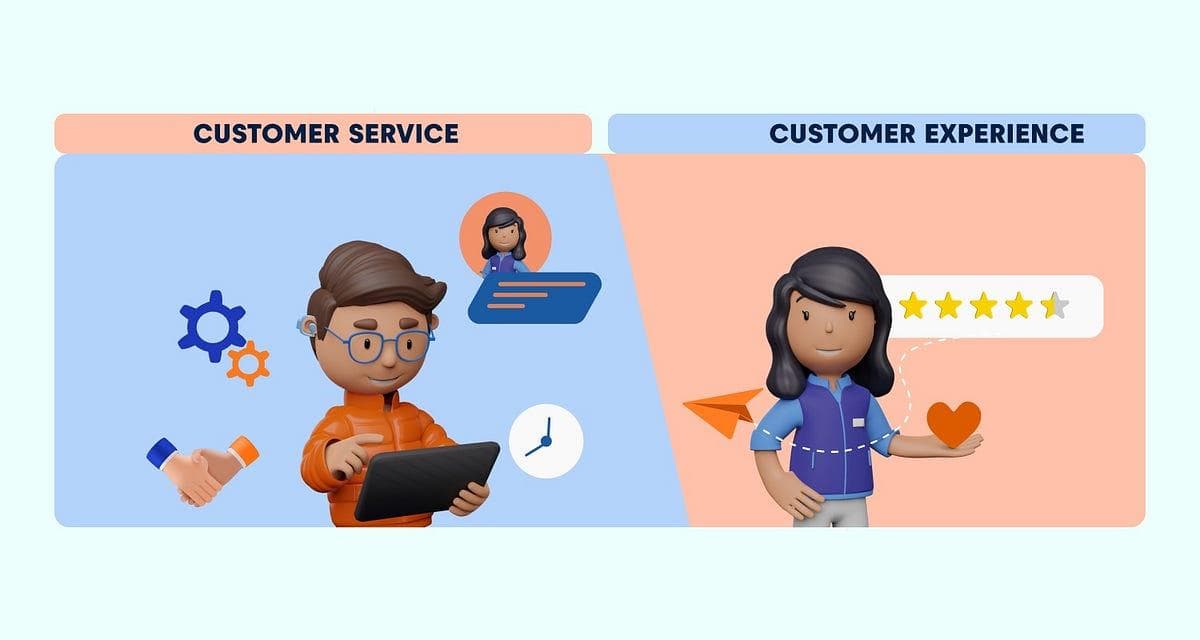
Early-stage D2C brands succeed on customer experience before they succeed on product or marketing efficiency. The founder who personally responds to every customer message, who follows up on every delayed delivery, who writes personalised thank-you notes for repeat customers, and who jumps on the phone for any escalation creates a customer experience that is genuinely differentiated not because the product is necessarily better than alternatives, but because the relationship is. As the brand scales as order volume grows from 50 per day to 500 per day this personal founder attention becomes physically impossible. The customer experience that was the early competitive advantage faces systematic degradation as the volume exceeds the capacity for personal attention. The brands that successfully scale their customer experience are the ones that identify the specific elements of the early experience that drove retention and referral, and design systems that deliver those elements to every customer at volume not personal attention at scale, but the outcome of personal attention at scale.
The Elements of Early-Stage Customer Experience That Must Survive Scale
The personalised acknowledgment: the customer who placed their first order feels acknowledged as an individual, not processed as a transaction. At small scale, this is the founder's personal reply to the first-order confirmation. At scale, it is the automated but genuinely personal-feeling post-purchase message that uses the customer's name, references the specific product they ordered, and communicates something about the product that feels like it comes from someone who cares about the experience. The differentiated content the product usage tip, the sourcing story, the personalised recommendation for the next product is written once and delivered to every first-order customer automatically. The acknowledgment is not personal in the sense of individually composed. It is personal in the sense of being specifically relevant to this customer's order.The proactive problem resolution: the early-stage founder who detects a delivery delay in the tracking data and messages the customer before they ask is delivering a customer experience that creates the specific loyalty that most operational management cannot. At scale, this is the automated out-for-delivery notification that fires when the courier tracking shows the package is on route, the proactive delay notification that fires when the tracking shows the delivery will miss the committed window, and the 24-hour post-delivery check-in that creates the channel for problem identification before it escalates. The outcome the customer feeling that the brand is on top of their order is identical to the founder's personal attention at small scale.
The Customer Experience Quality Monitoring System at Scale
At scale, the customer experience quality monitoring system replaces the founder's personal awareness of how customers are being served. The system tracks: post-purchase NPS by acquisition channel and cohort (the leading indicator of whether the current operational quality is retaining customers at the rate the business model requires), WISMO query rate per 100 orders (the proxy for how well the proactive communication is performing), first-response resolution rate for customer service contacts (the measure of whether the service system is actually resolving issues or just acknowledging them), and repeat purchase rate by delivery experience cohort (the connection between operational quality and retention).These four metrics, tracked weekly and owned by the customer experience lead, maintain the visibility into customer experience quality that the founder had personally at small scale. When any metric deteriorates, the system flags it for investigation and intervention not in the next monthly review, but within the week where the deterioration occurs.

Related articles
View all → Autonomous Coordination
The Rise of Autonomous Enterprise Coordination Platforms
Enterprise coordination the alignment of people, processes, information, and resources across organisational boundaries has always been expensive, slow, and error-prone when managed through human intermediaries alone. Autonomous coordination platforms powered by AI are replacing the coordination overhead of large organisations with intelligent systems that synchronise the enterprise continuously and without manual intervention.
 AI Agents
How AI Agents Are Transforming Enterprise Workflow Intelligence
AI agents autonomous systems that perceive their environment, reason about objectives, and take action across enterprise workflows are moving from research concept to operational reality. The enterprises deploying AI agents at scale are discovering that workflow intelligence is not just about automation it is about creating organisational capability that compounds with every cycle.
 Enterprise Management
The Future of Enterprise Management Through AI Execution Layers
Enterprise management is being restructured by AI execution layers intelligent systems that sit between strategic direction and operational action, translating intent into coordinated execution at a speed and consistency that human management hierarchies cannot match. The enterprises that deploy these layers effectively are redefining what management means and what managers do.