AI Procurement: What Enterprises Consistently Get Wrong
Most enterprise AI procurement decisions are made on demo performance and vendor promises. Neither predicts production outcomes. The procurement framework that actually predicts success looks nothing like the standard enterprise software evaluation process.
Nirmal Nambiar
Author
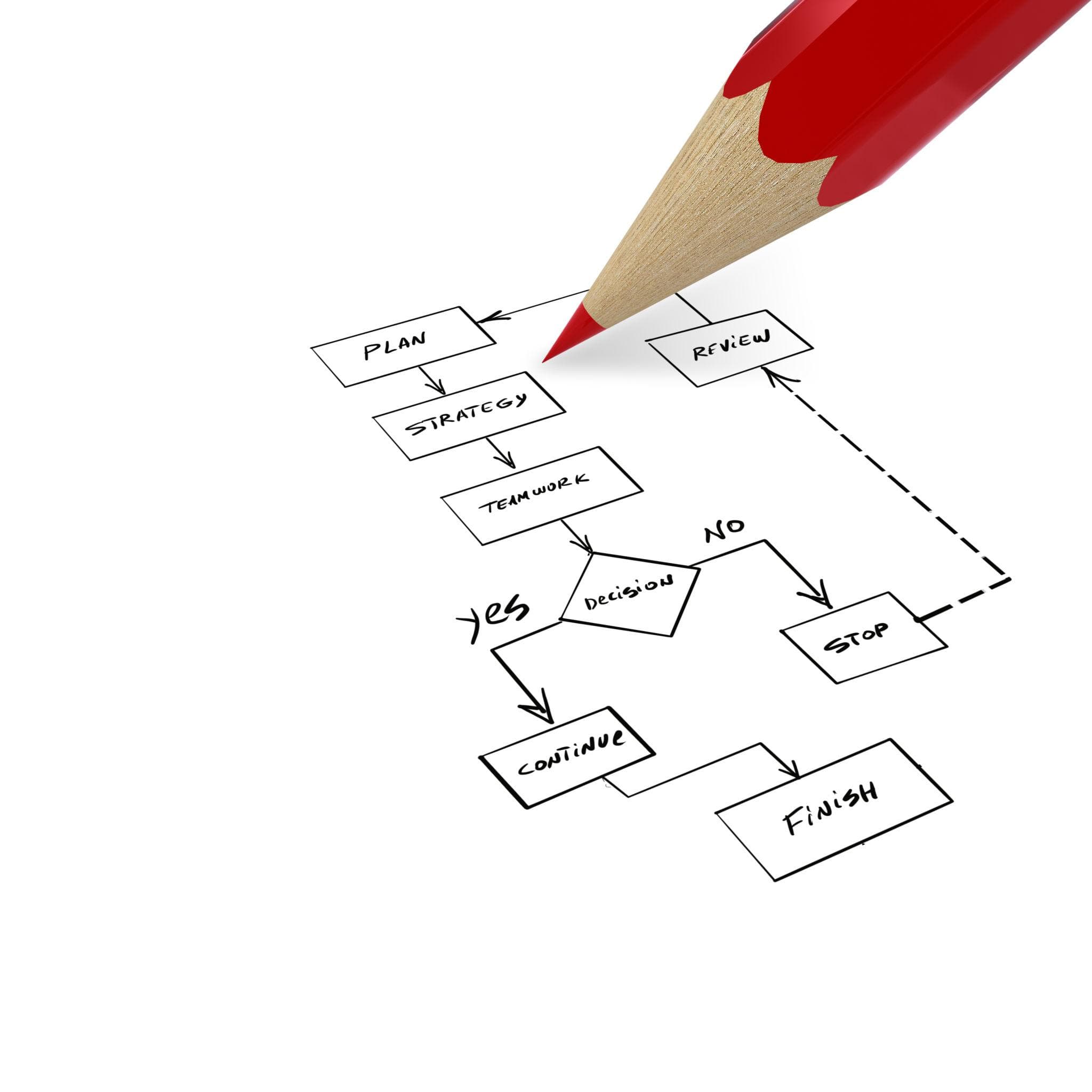
An enterprise buys AI software the way it buys ERP software: RFP, demo, reference calls, negotiation, contract. The problem is that AI software is not ERP software. ERP software does what it is configured to do. AI software does what the data and the deployment context allow it to do which is often significantly different from what the demo showed, because demos are run on curated data in controlled conditions. The procurement framework that predicts production outcomes requires a different evaluation process and a different set of questions.
The Demo Problem
AI vendor demos are almost always performed on the vendor's own data or on a sanitised version of the buyer's data provided in advance. The demo environment has none of the data quality issues, integration constraints, or edge cases of the production environment. Evaluating AI software on demo performance is equivalent to evaluating a car on its performance on a closed test track with optimal conditions it tells you what the product can do, not what it will do in your specific environment.The evaluation that predicts production performance requires a proof of concept on the buyer's actual production data, with the buyer's actual integration constraints, over a long enough period to encounter the edge cases and data quality issues that are invisible in a demo. A POC on real data for four to six weeks costs more than a demo evaluation. It costs substantially less than a failed production deployment.
The Questions That Actually Matter
The questions that predict production success are not about features. They are about data requirements, failure modes, and ongoing costs. What data does the system require, at what frequency and quality, and who owns the work of maintaining that data quality over time? What does the system do when input data is incomplete, late, or inconsistent does it fail gracefully, produce a degraded output, or produce a confident wrong answer? What is the total cost of ownership including integration engineering, data pipeline maintenance, model retraining, and the internal headcount required to manage the system in production?Vendors who cannot answer these questions in specific, measurable terms are selling a vision, not a product. The vision may be accurate for some future state of the product. It is not what the enterprise is buying today.
Measuring AI Value Beyond Cost Reduction
Related articles
View all → Super Manager AGI
How Super Manager AGI Enables Autonomous Business Execution at Scale
The concept of a Super Manager AGI an artificial general intelligence system capable of managing complex business operations autonomously, across functions and geographies, at a scale and quality that human management cannot approach is moving from theoretical possibility to operational reality. Understanding what it enables and what it requires is the most important strategic question facing enterprise leaders today.
 AI Coordination
Why AI Coordination Engines Will Replace Traditional Workflow Tools
Traditional workflow tools automate processes that have been explicitly defined. AI coordination engines understand objectives, orchestrate the work required to achieve them, and adapt as conditions change. The difference is not incremental it is the difference between a tool that does what it is told and a system that understands what needs to be done.
 Enterprise AI
The Enterprise Operating Model After the Rise of Autonomous AI
The enterprise operating model that was built for human coordination hierarchies, approval chains, monthly reviews, and manual handoffs is being structurally disrupted by autonomous AI systems that act, coordinate, and close loops without waiting for the next scheduled meeting. The organisations that redesign their operating model around AI execution will define the next decade of enterprise performance.