Why AI Workforce Planning Will Replace Traditional Resource Planning
AI workforce planning optimizes human-AI mix based on capabilities, costs, and strategic objectives.
Prince Kumar
Author
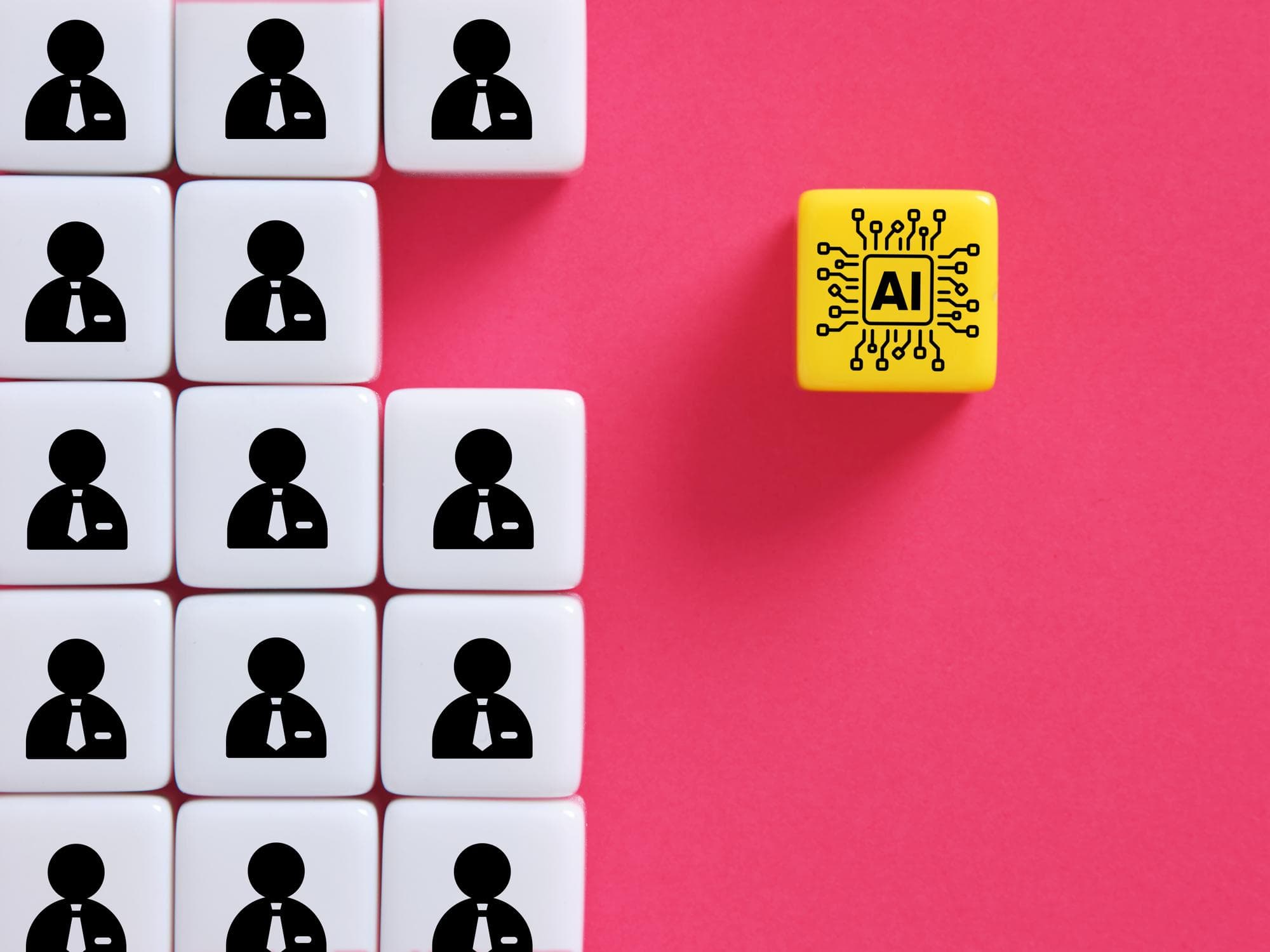
Workforce planning: optimal mix of 400 employees + 2000 AI agents vs traditional 1500 employees.
Strategic Context and Competitive Implications
Why AI Workforce Planning Will Replace Traditional Resource Planning represents transformation creating structural competitive advantages. Organizations achieving this operate with 40-70% efficiency gains, 10-20x decision velocity, and cost structures enabling continuous innovation.Implementation window narrowing as technologies mature and playbooks emerge. Organizations committing in 2026-2027 capture first-mover advantages. Delay means permanent disadvantage.Strategic choice: lead transformation now or follow from disadvantaged position.
Implementation Framework and Success Factors
Implementation challenges are organizational not technical. Proven approach: high-impact workflows, governance first, change management, sustained commitment through 18-36 month transformation.Critical success factors: executive sponsorship, adequate governance investment, framework accountability models, systematic expansion, clear outcome metrics.Organizations treating as operational transformation succeed. Those treating as technology deployment fail despite greater investment.
Performance Transformation and Market Impact
Organizations implementing why ai workforce planning will replace traditional resource planning achieve 2-5x throughput increases, 40-60% quality improvements, decision latency compressed 10-20x. Advantages compound through self-reinforcing cycles.By 2030 clear market differentiation: winners with permanent advantages vs laggards facing intensifying pressure across share, talent, customers, and capabilities.Strategic imperative: commit to transformation in 2026-2027 or accept permanent competitive disadvantage against enterprises establishing capabilities earlier.