The Future of Enterprise Hiring in an AI-Native World
Hiring focuses on AI collaboration skills, strategic thinking, complex judgment vs operational execution.
Nirmal Nambiar
Author
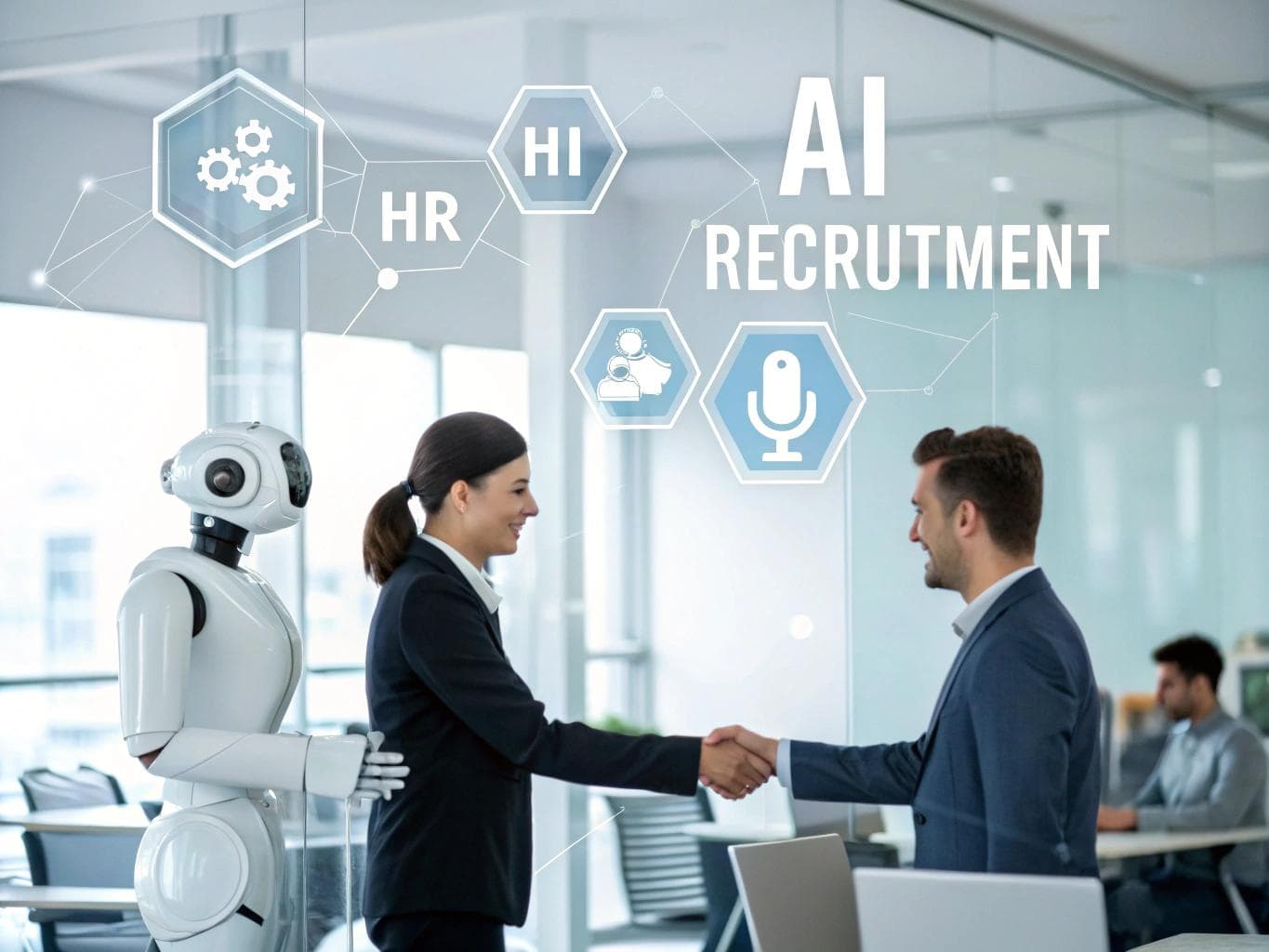
Job requirements evolve: AI orchestration, framework governance, strategic analysis vs task execution.
Strategic Context and Competitive Implications
The Future of Enterprise Hiring in an AI-Native World represents transformation creating structural competitive advantages. Organizations achieving this operate with 40-70% efficiency gains, 10-20x decision velocity, and cost structures enabling continuous innovation.Implementation window narrowing as technologies mature and playbooks emerge. Organizations committing in 2026-2027 capture first-mover advantages. Delay means permanent disadvantage.Strategic choice: lead transformation now or follow from disadvantaged position.
Implementation Framework and Success Factors
Implementation challenges are organizational not technical. Proven approach: high-impact workflows, governance first, change management, sustained commitment through 18-36 month transformation.Critical success factors: executive sponsorship, adequate governance investment, framework accountability models, systematic expansion, clear outcome metrics.Organizations treating as operational transformation succeed. Those treating as technology deployment fail despite greater investment.
Performance Transformation and Market Impact
Organizations implementing the future of enterprise hiring in an ai-native world achieve 2-5x throughput increases, 40-60% quality improvements, decision latency compressed 10-20x. Advantages compound through self-reinforcing cycles.By 2030 clear market differentiation: winners with permanent advantages vs laggards facing intensifying pressure across share, talent, customers, and capabilities.Strategic imperative: commit to transformation in 2026-2027 or accept permanent competitive disadvantage against enterprises establishing capabilities earlier.

Related articles
View all → Operations
Scaling Ops Without Hiring: The Smart Founder's Playbook
Most founders hire when the team is overwhelmed. The better founders ask why the team is overwhelmedand fix the system rather than adding headcount to a broken process. A team of six with the right systems outperforms a team of twelve managing the same volume through manual coordination.
 Engineering
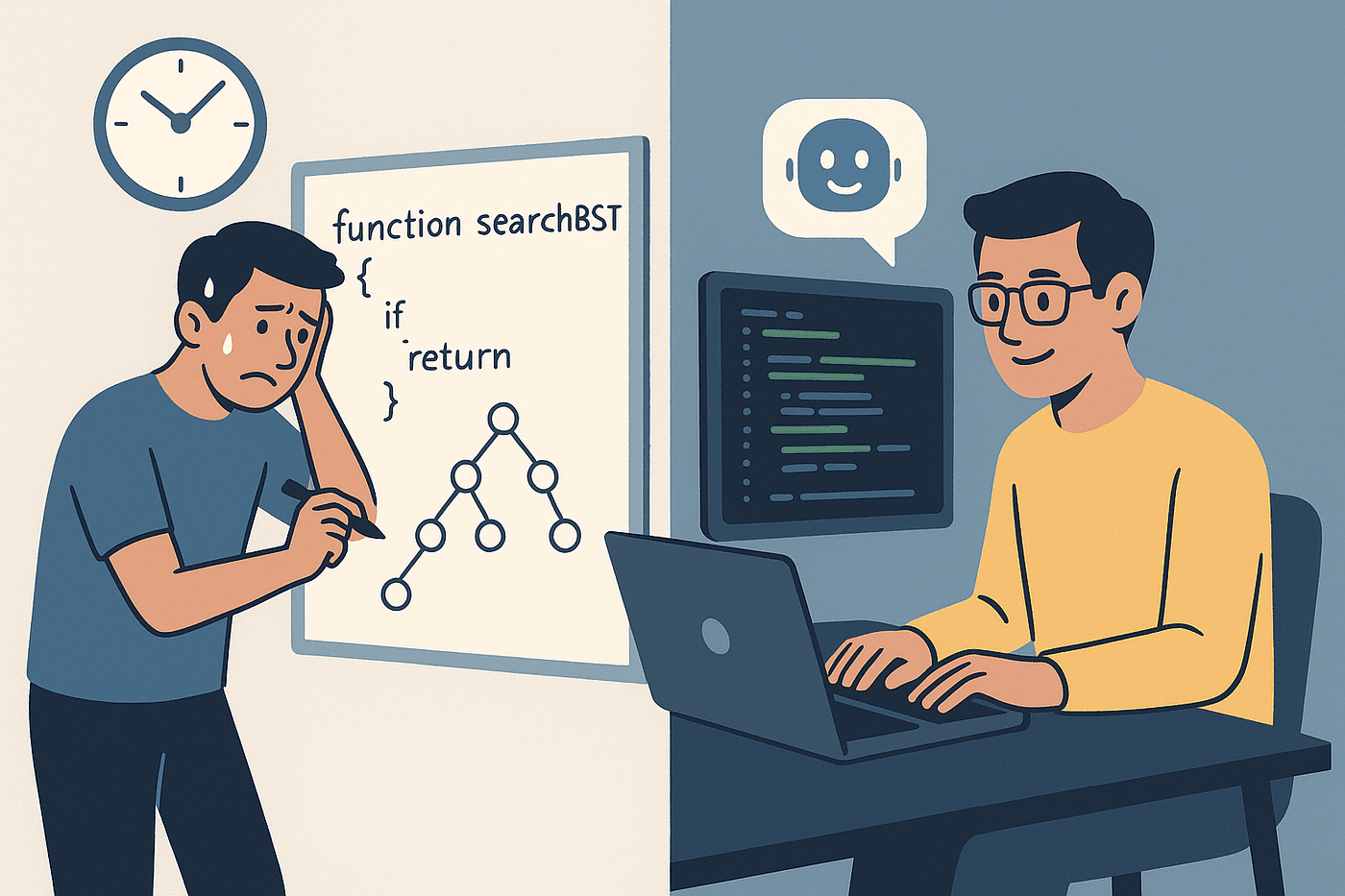
Coding Interviews Are Broken AI Changed the Game
The whiteboard interview was already a poor predictor of job performance. AI has made it completely disconnected from reality. Here's what's replacing it.
 Operations
Building Your First Operations Team From Scratch
The first operations hire is the most important hire a founder makes and the most commonly made wrong. Most founders hire for the task they can see rather than the system they need to build. Here is what the first operations team should actually look like.