Growth vs Stability: Finding the Right Balance
The business that prioritises growth above all else eventually produces instability that undoes the growth. The business that prioritises stability above all else eventually produces stagnation that makes the stability irrelevant. The right balance is not a fixed point it is a dynamic calibration between the two that changes with every stage of scale.
Nirmal Nambiar
Author
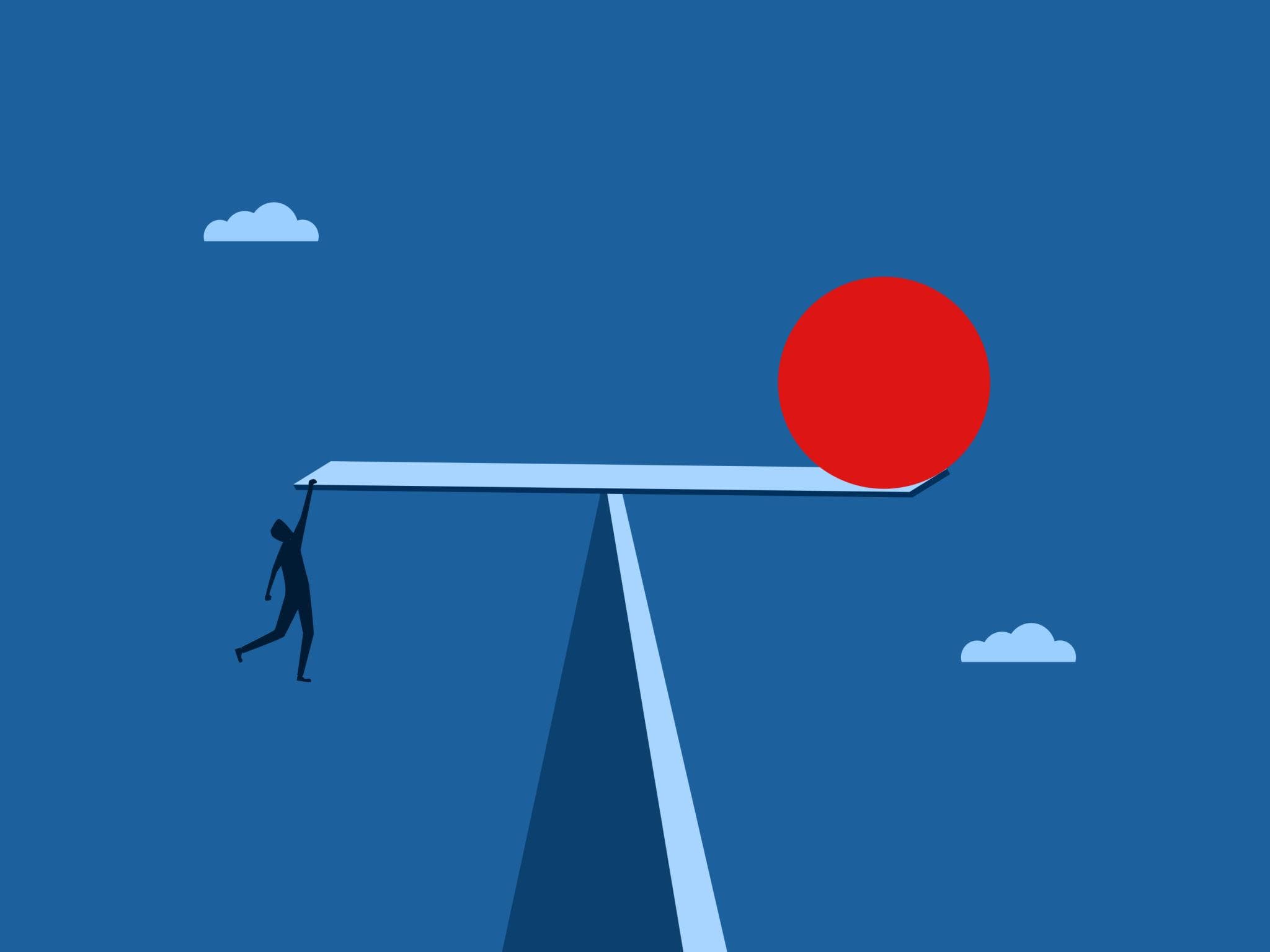
The growth-versus-stability tension is one of the most persistent strategic dilemmas in building a consumer brand. Growth requires risk the inventory commitment ahead of the demand, the marketing investment ahead of the proven return, the team hire ahead of the revenue to fully justify them. Stability requires conservatism the cash buffer that limits aggressive investment, the process discipline that slows execution, the risk management that occasionally prevents the bold move that would have worked. Neither extreme is sustainable. A business that pursues growth without stability eventually runs out of cash, operational capability, or customer trust to fuel the next growth phase. A business that pursues stability without growth eventually becomes irrelevant as competitors invest and the market evolves. The calibration between the two how much risk to take at each stage, in each domain, given the current cash position and operational capability is the most important ongoing strategic judgment a founder makes.
The Stability Foundation Required Before Each Growth Phase
Not all growth phases require the same stability foundation. The brand going from ₹5 lakh to ₹20 lakh monthly revenue needs a different stability foundation than the brand going from ₹50 lakh to ₹2 crore. The framework for each growth phase transition: before committing to the next growth investment (increased marketing spend, new channel launch, significant production scale-up), the brand must have demonstrated stability on three dimensions. Financial stability: minimum cash buffer of two months of operating costs in place and expected to remain in place after the growth investment. Operational stability: the current order volume is being executed at the quality standard (dispatch accuracy above 97%, return rate below category threshold, NDR rate below 20%, settlement reconciliation completeness above 95%) consistently for at least 60 consecutive days. Commercial stability: unit economics are positive and stable contribution margin per order has not declined in the prior three months.When all three stability conditions are met, the next growth phase investment is justified and the risk is manageable. When any of the three is not met, the growth investment should be deferred until the stability condition is restored not because growth is bad, but because growth on an unstable foundation amplifies the instability proportionally with the growth.
The Growth Trigger Framework
Replacing the instinctive growth decision ('the campaign is performing well, let us scale') with a systematic growth trigger framework prevents the scale-up on an unstable foundation that produces the margin crises and cash crises documented throughout this series. The growth trigger for marketing spend increase: trailing 14-day CAC below the profitable threshold AND trailing 30-day contribution margin above the floor AND current cash balance above the two-month buffer after the planned spend increase. All three conditions must be met simultaneously. The growth trigger for new channel launch: three-month positive unit economics on current channels AND operational capacity available to absorb 20% incremental order volume AND finance for the channel's working capital requirement within the existing cash plan.The growth trigger for significant production scale-up: 90-day demand forecast at the 75th percentile (not optimistic) justifies the inventory investment AND supplier qualification and quality testing at the new volume is complete AND working capital for the production payment is within the cash plan without violating the buffer. These triggers create a systematic decision gate that prevents the most common growth mistakes scaling marketing before CAC is validated, launching channels before operations can support them, and placing production runs before demand is demonstrated.
Related articles
View all → Growth
The Future of Enterprise Growth Through AI Innovation
AI is not just improving the efficiency of existing growth strategies it is enabling entirely new growth models. The enterprises that understand how to use AI as a growth driver, not just a cost reducer, are accessing markets, customer segments, and revenue streams that were previously out of reach.
 Scalability
AI-Powered Systems for Enterprise Scalability and Resilience
The ability to scale without proportional cost increases and to absorb shocks without operational failure is what separates enterprises that grow sustainably from those that grow into crisis. AI-powered systems are the infrastructure through which scalability and resilience are built.
 AI
AIThe Future of AI-Powered Digital Marketplaces
Digital marketplaces are evolving from transactional platforms into intelligent commerce ecosystems. AI is reshaping how buyers discover products, how sellers manage operations, and how platforms create value for everyone in the ecosystem and the pace of this transformation is accelerating.