The Science of Inventory Turnover (Simply Explained)
Inventory turnover is the single most important metric for understanding whether your working capital is working hard enough. A brand with 10x annual turnover is generating 10x more revenue from the same rupee of inventory investment as one with 4x turnover and the difference determines whether the business needs external funding or generates its own growth capital.
Nirmal Nambiar
Author
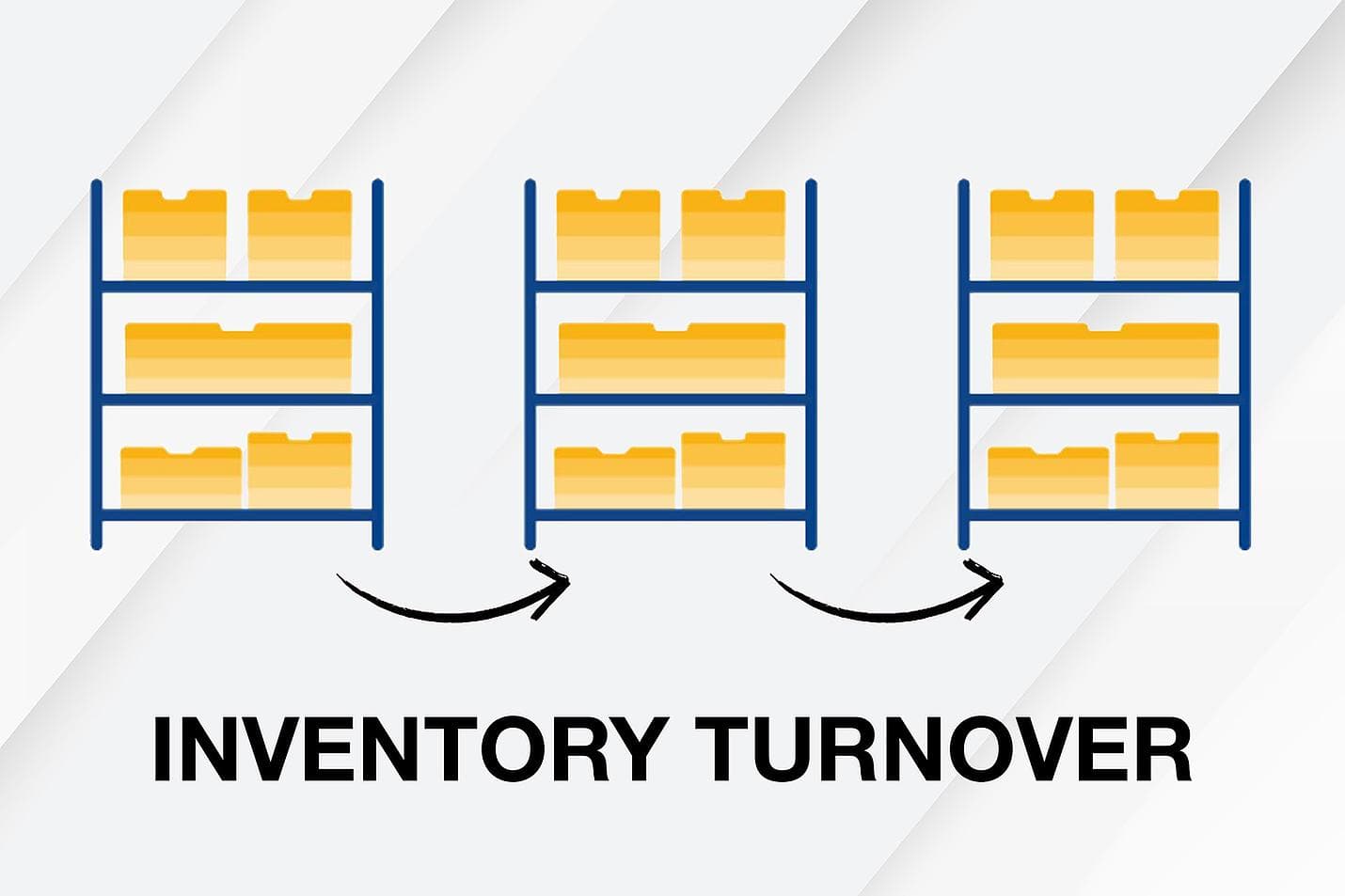
Inventory turnover the number of times a business sells and replaces its entire inventory in a year is the simplest expression of working capital efficiency. A high turnover ratio means a small inventory investment is generating a large revenue volume: the same ₹10 lakh of inventory is cycling through the business many times per year, each cycle generating revenue and margin. A low turnover ratio means a large inventory investment is generating a relatively small revenue volume: the ₹10 lakh of inventory is sitting in the warehouse for a long time before it sells, consuming carrying costs and blocking working capital that could be deployed more productively. The turnover ratio is not just an operational metric. It is a funding efficiency metric the difference between a business that needs ₹50 lakh of working capital to support ₹1 crore monthly revenue and one that needs ₹15 lakh to support the same revenue, depending entirely on how quickly the inventory turns.
The Inventory Turnover Calculation and What It Means
Calculation: Annual COGS ÷ Average Inventory Value = Inventory Turnover Ratio. Example: a brand with ₹1.2 crore annual COGS and ₹15 lakh average inventory has an inventory turnover of 8x. This means the brand sells through its entire inventory 8 times per year an average of once every 45 days. The same brand with ₹25 lakh average inventory has a turnover of 4.8x selling through its entire inventory once every 76 days. The difference in average inventory (₹10 lakh) represents a ₹10 lakh difference in working capital requirement money that, in the higher-turnover scenario, is available for marketing investment, product development, or simply as a cash buffer.The days inventory outstanding (DIO) the inverse expression of turnover is often more intuitive: DIO = 365 ÷ Inventory Turnover Ratio. At 8x turnover, DIO = 46 days. At 4.8x, DIO = 76 days. The 30-day difference in DIO means inventory is sitting in the warehouse for an additional month on average 30 days of carrying cost on every rupee of inventory, every cycle.
Healthy Turnover Ranges by Indian D2C and FMCG Category
| Category | Target Turnover | Warning Below | Typical DIO Range |
|---|---|---|---|
| Personal care (daily use) | 10–14x | 7x | 26–36 days |
| Food and beverages | 12–18x | 8x | 20–30 days |
| Apparel and fashion | 4–8x | 3x | 45–90 days |
| Home and lifestyle | 4–7x | 3x | 52–90 days |
| Supplements and wellness | 6–10x | 5x | 36–61 days |
| Electronics accessories | 8–12x | 6x | 30–45 days |
The Three Levers That Improve Inventory Turnover
Lever one: demand-driven reorder sizing. The most common cause of low turnover is reorder quantities sized for optimistic demand projections rather than actual sell-through velocity. Reducing reorder quantities to match current velocity with appropriate safety stock accepting slightly higher per-unit cost from smaller MOQs in exchange for lower average inventory and higher turnover improves turnover while reducing dead stock risk. Lever two: SKU rationalisation. Products with turnover below half the category target are consuming working capital at twice the rate of the portfolio average. Rationalising the SKU portfolio discontinuing or aggressively clearing the low-turnover SKUs improves portfolio-level turnover by concentrating working capital in the high-velocity products.Lever three: distribution channel speed. Inventory positioned in fast-moving channels (D2C website with strong marketing support, high-velocity marketplace categories) turns faster than inventory positioned in slow-moving channels (offline retail with monthly reorder cycles, B2B trade). Optimising channel allocation to favour fast-moving channels for high-inventory SKUs improves effective turnover without changing the product or the production system.
Related articles
View all → Autonomous Coordination
The Rise of Autonomous Enterprise Coordination Platforms
Enterprise coordination the alignment of people, processes, information, and resources across organisational boundaries has always been expensive, slow, and error-prone when managed through human intermediaries alone. Autonomous coordination platforms powered by AI are replacing the coordination overhead of large organisations with intelligent systems that synchronise the enterprise continuously and without manual intervention.
 AI Agents
How AI Agents Are Transforming Enterprise Workflow Intelligence
AI agents autonomous systems that perceive their environment, reason about objectives, and take action across enterprise workflows are moving from research concept to operational reality. The enterprises deploying AI agents at scale are discovering that workflow intelligence is not just about automation it is about creating organisational capability that compounds with every cycle.
 Enterprise Management
The Future of Enterprise Management Through AI Execution Layers
Enterprise management is being restructured by AI execution layers intelligent systems that sit between strategic direction and operational action, translating intent into coordinated execution at a speed and consistency that human management hierarchies cannot match. The enterprises that deploy these layers effectively are redefining what management means and what managers do.