The Hidden Cost of Customer Churn for Growing Brands
A 5% monthly churn rate sounds manageable. Over twelve months, it means the business has replaced 46% of its customer base and paid acquisition cost for every replacement. Customer churn is not a retention problem. It is a growth tax that compounds quietly until it becomes impossible to ignore.
Aditya Sharma
Author
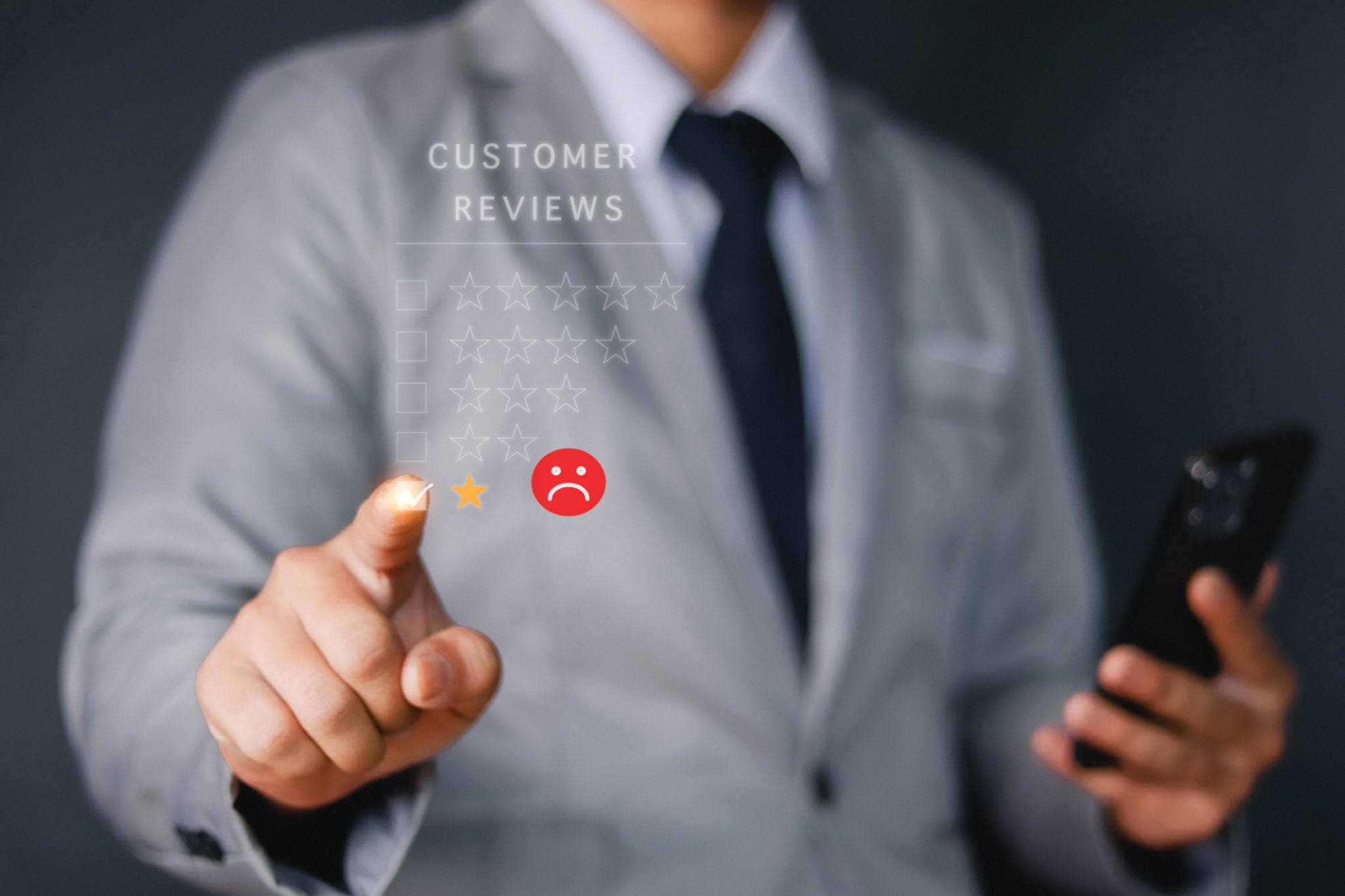
The D2C founder who is proud of growing from 800 to 1,200 monthly customers over a quarter has, in many cases, also quietly lost 600 customers they acquired in the previous quarter. The acquisition cost was paid. The relationships were not retained. The new customers celebrated in the monthly review are partially replacing the old customers mourned in no review at all because most brands are not measuring churn carefully enough to mourn it. Churn that is not measured is churn that is not fixed.
How to Calculate Churn Correctly
Monthly churn rate is the percentage of active customers at the start of the month who made no purchase by the end of the month, applied across the cohort definition the brand uses for 'active customer.' The definition of active matters enormously a brand selling consumables with a natural 30-day repurchase cycle has a different active customer definition than a brand selling occasional gift items.The more useful churn metric for most brands is cohort retention: of the customers acquired in month M, what percentage made a second purchase within 60 days, a third purchase within 120 days, and are still purchasing at month M+12? Cohort retention reveals the shape of the retention curve, which reveals whether the churn problem is universal or concentrated in specific acquisition channels, product categories, or time periods.
The Interventions That Actually Work
The interventions that reduce churn differ significantly based on when in the customer journey the churn is occurring. Early churn customers who make one purchase and do not return is almost always a product-experience mismatch: the customer's expectation, shaped by marketing and packaging, was not met by the actual product experience. The fix is either expectation management or product improvement, not a discount code.Mid-cycle churn customers who made two or three purchases and then stopped is usually a frequency and relevance problem. The brand lost share of the customer's category spend to a competitor or to substitution. The fix is a replenishment reminder programme based on actual usage patterns, not a generic email cadence. Late churn long-term customers who suddenly stop is usually triggered by a specific negative experience: a delayed order, a quality issue, a service failure. The fix is a triggered win-back campaign that acknowledges the specific failure point.

Building a Sales Pipeline That Does Not Require Constant Founder Attention
Related articles
View all → Customer Retention
How Enterprises Can Use AI to Improve Customer Retention
Customer retention is the most underleveraged growth lever in most large enterprises. AI is giving enterprises the tools to identify at-risk customers earlier, intervene more effectively, and build the personalised experiences that make switching to a competitor feel genuinely costly.
 D2C Growth
The New Growth Stack: Ads + Retail + Quick Commerce Combined
The growth playbook that built Indian D2C brands from 2018 to 2022 performance ads driving website traffic, marketplace listings capturing demand is no longer sufficient. The brands growing fastest in 2026 are running a different stack: performance marketing, retail shelf presence, and quick commerce distribution working in combination, each amplifying the others.
 Shipping Delays
How Shipping Delays Impact Lifetime Value (LTV)
The shipping delay that costs ₹0 in direct charges costs ₹1,200 in LTV when the delayed delivery is a customer's first order. The customer who waited seven days for a product promised in three does not consciously think 'I will not come back.' They simply do not come back and the LTV that should have been ₹2,400 over three years is ₹799 for one order.