The Rise of AI-Powered Enterprise Transformation Offices
The traditional enterprise transformation office a programme management function staffed by project managers and consultants overseeing digital change initiatives is being restructured around AI execution capability. The AI-powered transformation office does not just manage change programmes; it autonomously executes the operational changes those programmes design, compressing transformation timelines and improving execution consistency.
Nirmal Nambiar
Author
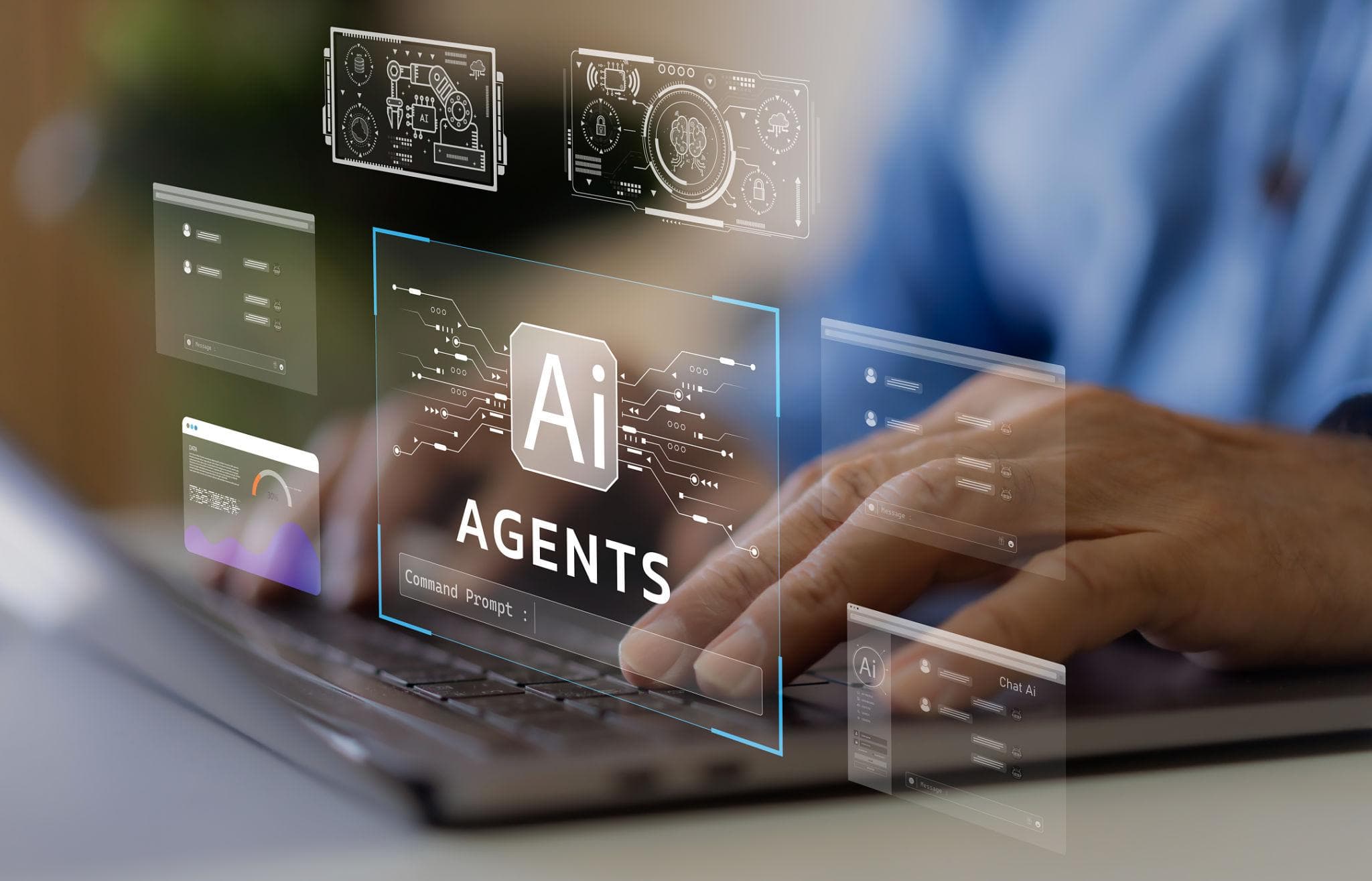
The enterprise transformation office variously called the Programme Management Office, the Digital Transformation Office, the Centre of Excellence, or the Strategic Execution function has been a standard feature of large enterprise organisational structures for the last two decades. Its purpose is to provide the governance, coordination, and execution oversight required to manage the complex, multi-workstream change programmes that digital transformation requires. In theory, the transformation office is the glue that holds a distributed change programme together, ensuring that interdependent workstreams stay coordinated, that dependencies between projects are managed, and that the operational changes designed by the programme team are actually executed by the business functions they are intended to change. In practice, the traditional transformation office is a human coordination function with a well-documented set of limitations: it can track status but not accelerate execution, it can identify coordination failures but not prevent them at the speed they occur, and it can report on programme performance but not autonomously resolve the operational bottlenecks that create performance gaps. The AI-powered transformation office addresses each of these limitations not by making the human coordination function more efficient, but by adding the AI execution capability that transforms the function from a coordination observer into a coordination executor.
What the Traditional Transformation Office Cannot Do
The limitations of the traditional transformation office are structural, not a function of the quality of the people who staff it. The fundamental limitation is that the transformation office can see the programme's status but cannot act on it directly it can identify that a workstream is delayed, but the action required to address the delay must be taken by the people and teams responsible for the delayed work, who must be convinced, coordinated, and motivated to take the corrective action through the social and organisational mechanisms of the transformation programme.This limitation manifests in three specific operational patterns that experienced transformation leaders recognise immediately. The escalation bottleneck: the transformation office identifies an issue, escalates it to the responsible programme sponsor, and waits for the sponsor to take action a cycle that can take days for issues that require hours of response. The dependency management failure: the transformation office tracks dependencies between workstreams but cannot prevent the downstream impacts of upstream delays it can document that workstream B will be delayed because workstream A is behind schedule, but it cannot autonomously accelerate workstream A or adjust workstream B's plan to absorb the delay. The reporting-action gap: the weekly programme status report accurately reflects the programme's performance but is produced after the performance has occurred it describes problems that are already embedded in the programme's timeline rather than preventing them from occurring.
The AI-Powered Transformation Office Architecture
The AI-powered transformation office addresses the structural limitations of the traditional model by adding three AI execution capabilities to the programme management function. The first is autonomous dependency management: an AI system that continuously monitors the status of every workstream and every dependency in the programme, detects emerging dependency violations before they impact downstream workstreams, and autonomously executes the adjustments timeline revisions, resource reallocations, scope adjustments that maintain programme integrity without requiring human coordination for each adjustment. The AI-powered transformation office does not wait for the weekly status meeting to identify that workstream A's delay will impact workstream B it detects the emerging delay, calculates the downstream impact, determines the optimal adjustment, and executes it within the defined authority framework.The second capability is automated stakeholder coordination: AI-generated and AI-distributed communications that keep programme stakeholders informed of status, decisions, and required actions without requiring the programme management team to manually draft and distribute updates. The AI system generates personalised status updates for each stakeholder based on their role and the programme components relevant to their interests, distributes action requests to the responsible individuals with appropriate context and urgency, and follows up automatically when responses are overdue. The third capability is execution monitoring and intervention: AI monitoring of the operational changes the programme is implementing system configurations, process adoptions, training completions, organisational changes with automated escalation and intervention when adoption metrics indicate that the intended changes are not being implemented at the rate and quality the programme plan requires.
The Transformation Velocity Advantage
The most compelling benefit of the AI-powered transformation office is transformation velocity the rate at which a change programme can convert its design into operational reality. Traditional transformation programmes are constrained by human coordination speed: the speed at which programme managers can identify issues, schedule discussions, reach agreements, and communicate decisions is the rate-limiting factor of programme execution. AI-powered transformation offices that operate at machine coordination speed detecting issues in real time, executing routine adjustments autonomously, and escalating only the genuinely complex decisions compress transformation timelines in ways that human-coordinated programmes cannot match.The organisations that have deployed AI-powered programme management capability report transformation timeline reductions of 30 to 50% for equivalent programme scope not because the underlying work is done faster, but because the coordination overhead that inflates traditional programme timelines is eliminated. A digital transformation programme that would take eighteen months in a traditional model can complete in ten to twelve months with AI-powered coordination and execution a competitive advantage that is significant in markets where time-to-competitive-capability matters. The AI-powered transformation office is not a replacement for strategic programme leadership the judgments about programme direction, stakeholder management, and organisational change remain deeply human. It is the execution engine that converts those strategic judgments into operational outcomes at the speed the modern enterprise competitive environment requires.

How Super Manager AGI Creates Autonomous Workflow Ecosystems for Enterprises
Related articles
View all → AI Execution
Why AI Execution Systems Will Define the Future of Enterprise Operations
The next frontier of enterprise competitive advantage is not strategy it is execution. AI execution systems that translate strategic intent into coordinated operational action, faster and more reliably than any human-managed process, are becoming the defining infrastructure of enterprise performance in every sector.
 AI-Native Infrastructure
Why Global Enterprises Need AI-Native Operational Infrastructure
The operational infrastructure that global enterprises built in the pre-AI era was designed for a different competitive environment. Enterprises that try to layer AI on top of legacy operational infrastructure will capture a fraction of AI's potential. The ones that rebuild their operational foundations as AI-native will gain structural advantages their competitors cannot close.
 Agentic AI
The Evolution of Enterprise Operations in the Age of Agentic AI
Agentic AI AI systems that pursue goals, take actions, and adapt to feedback without requiring step-by-step human instruction is not an incremental evolution of enterprise automation. It is a structural shift in what operational systems can do and what human operators are for.