Why Enterprises Must Build Digital-First Operating Models
Digital transformation is not a project with an end date. It is a fundamental shift in how an enterprise operates how it makes decisions, serves customers, manages operations, and develops its people. The enterprises that understand this are building operating models designed for a digital-first world.
Manthan Sharma
Author
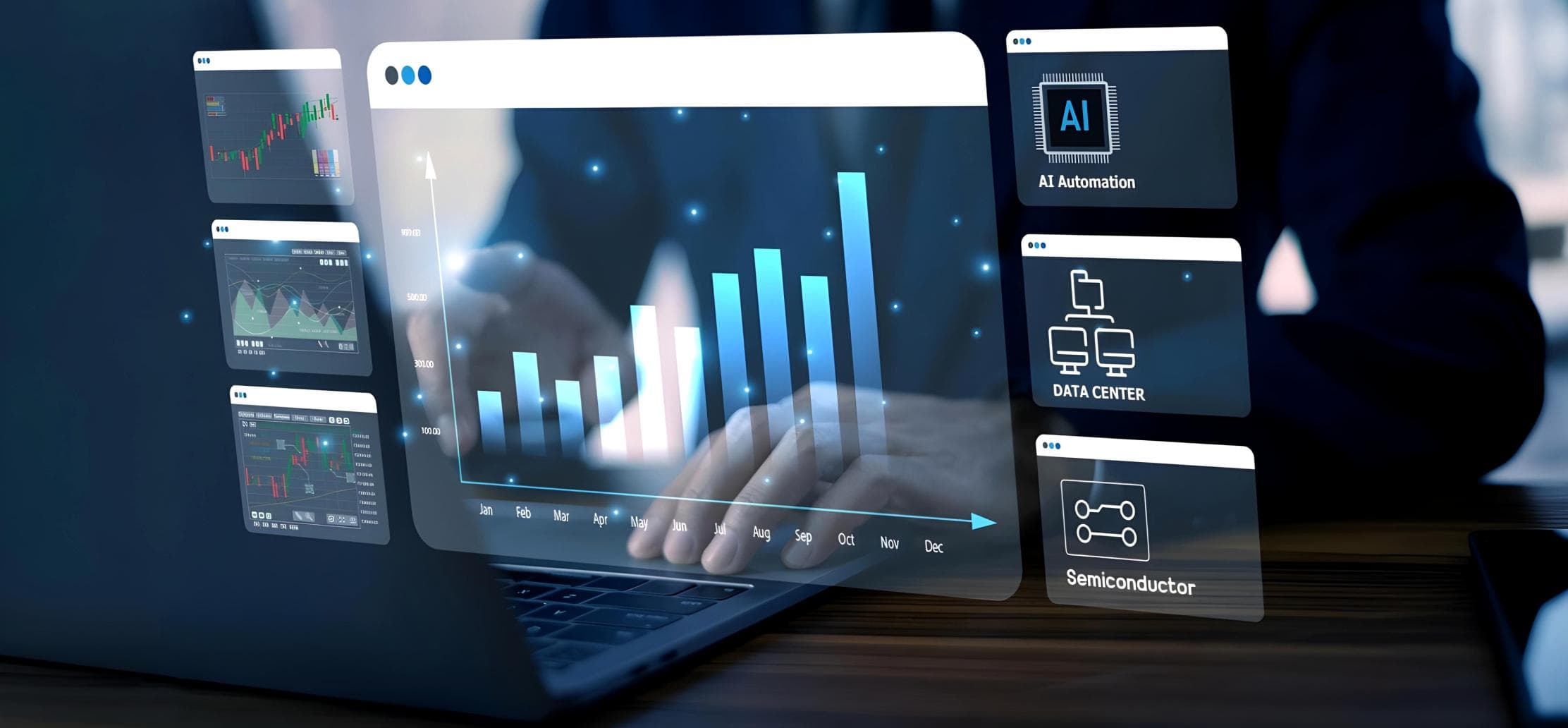
The enterprise that digitises its existing processes has not undergone digital transformation. It has made its existing way of working faster and cheaper. Digital transformation is something more fundamental: a rethinking of how the enterprise operates from the processes it runs and the decisions it makes to the way it structures its teams and measures performance. The distinction matters because digitising existing processes automating the manual steps, adding digital interfaces to legacy workflows preserves the underlying logic of the old operating model. It makes the enterprise more efficient at doing what it has always done. Digital-first operating model design starts from the capabilities that digital infrastructure makes possible real-time data visibility, AI-powered decision support, automated workflows, personalised customer experiences and designs the operating model around those capabilities rather than retrofitting technology onto legacy processes.
The Anatomy of a Digital-First Operating Model
A digital-first operating model has four defining characteristics that distinguish it from a digitised traditional model. First, decisions are driven by data rather than hierarchy: the person closest to the data and the decision context makes the call, informed by real-time information, rather than escalating through management layers to reach someone with authority but less context. Second, processes are designed for automation from inception: workflows are built assuming that repetitive, rule-based steps will be automated, with human judgment reserved for exceptions and strategic decisions.Third, customer interactions are personalised by default: the operating model assumes that every customer touchpoint digital or physical will be informed by the customer's data profile and adapted accordingly. Fourth, learning is embedded in operations: the model includes continuous feedback loops that connect operational outcomes to process design, ensuring that the operating model improves continuously rather than through periodic redesign cycles.
Building the Digital-First Transition
The Organisational Design Implications
Digital-first operating models require organisational structures different from those optimised for traditional operating models. Cross-functional teams organised around customer outcomes rather than functional specialisations. Product and technology capabilities embedded within business functions rather than centralised in separate IT departments. Decision rights distributed to the point of maximum information rather than concentrated at management levels. Performance metrics that measure outcomes in real time rather than activities on a lag. Many enterprises find that the hardest part of building a digital-first operating model is not the technology it is the organisational change required to make the technology effective.
The Investment and Timeline Reality
Building a digital-first operating model is a multi-year investment that rarely produces its most significant returns in the first year. The infrastructure investment precedes the productivity gains. The capability building precedes the performance improvement. The process redesign causes disruption before it creates efficiency. Enterprises that approach digital-first transformation with a 12-month ROI requirement consistently underinvest in the foundations required for durable transformation and end up with digitised legacy processes rather than genuinely digital-first operations. The investment horizon for meaningful digital-first transformation is three to five years, with meaningful indicators of progress visible at 12 to 18 months.
Digital-First Operating Model Assessment
- What percentage of your operational decisions are currently made based on data that is available in real time versus data that is days or weeks old?
- How many of your core operational processes require manual data entry, manual approvals, or manual handoffs between systems or teams?
- Are your technology and product capabilities embedded within your business functions, or are they managed as a separate organisational unit with a service relationship?
- What is the current time from identifying a process improvement opportunity to having that improvement in production?
- How does your organisation currently capture and act on learnings from operational performance and how quickly do those learnings translate into process changes?

The Future of Enterprise Innovation Through Intelligent Platforms
Related articles
View all → AI-Native Infrastructure
Why Global Enterprises Need AI-Native Operational Infrastructure
The operational infrastructure that global enterprises built in the pre-AI era was designed for a different competitive environment. Enterprises that try to layer AI on top of legacy operational infrastructure will capture a fraction of AI's potential. The ones that rebuild their operational foundations as AI-native will gain structural advantages their competitors cannot close.
 Enterprise Management
The Future of Enterprise Management Through AI Execution Layers
Enterprise management is being restructured by AI execution layers intelligent systems that sit between strategic direction and operational action, translating intent into coordinated execution at a speed and consistency that human management hierarchies cannot match. The enterprises that deploy these layers effectively are redefining what management means and what managers do.
 Agentic AI
The Evolution of Enterprise Operations in the Age of Agentic AI
Agentic AI AI systems that pursue goals, take actions, and adapt to feedback without requiring step-by-step human instruction is not an incremental evolution of enterprise automation. It is a structural shift in what operational systems can do and what human operators are for.