Why Your Best-Selling Product Might Be Your Biggest Risk
The SKU driving 60% of your revenue feels like your greatest asset. It is also your greatest vulnerability a single supply disruption, a competitor entry, or a platform algorithm change can collapse the business overnight if that one product is carrying everything.
Prince Kumar
Author
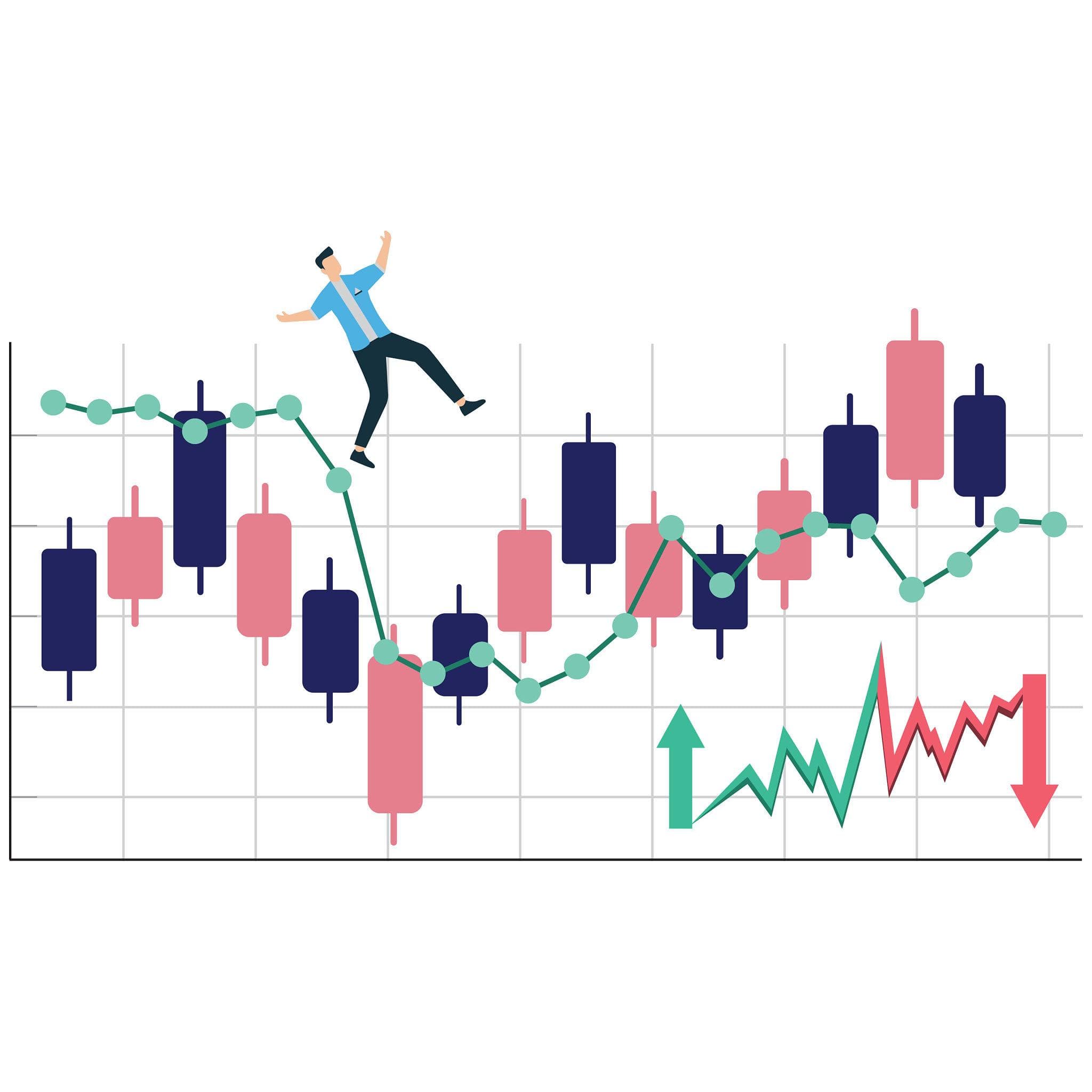
Every D2C and FMCG founder has a hero SKU the product that anchors the brand, drives the majority of revenue, and is the reason most customers found the business in the first place. The hero SKU feels like proof that the business works. It is also, in most cases, the single largest concentration risk in the business. A brand where one product generates 55 to 65% of total revenue has not built a portfolio. It has built a one-product business with supporting SKUs. The distinction matters because the risks that apply to a single product raw material supply disruption, competitor price undercutting, marketplace algorithm demotion, trend shift, or regulatory challenge apply to the majority of the business's revenue simultaneously. Understanding the specific risks concentrated in the hero SKU and systematically reducing them is one of the highest-leverage strategic exercises available to any founder who has found initial product-market fit.
The Four Concentration Risks in a Hero SKU
Risk 1: Supply chain single-point failure
The hero SKU typically has the most refined and specific supply chain a specific formulation, a specific raw material source, a specific packaging specification that has been optimised over months or years. This optimisation creates fragility: any disruption in the supply chain that feeds the hero SKU hits the majority of the business's revenue. A raw material shortage, a contract manufacturer capacity constraint, or a packaging supplier quality issue that would be a minor inconvenience for a supporting SKU becomes a revenue crisis when it affects the product generating 60% of sales. The brands that manage this risk maintain qualified alternative suppliers for the hero SKU's critical inputs and have tested the alternative supply chain before it is needed.
Risk 2: Marketplace algorithm and platform dependency
Hero SKUs on Amazon, Flipkart, or Myntra typically earn their revenue position through a combination of strong review scores, good conversion history, and consistent in-stock availability all of which are interpreted by marketplace algorithms into organic visibility. A single event that disrupts any of these signals a competitor-driven review attack, a stockout period, a policy change that affects the category can reduce the hero SKU's organic visibility by 20 to 40% in weeks. For a brand where this SKU drives 60% of revenue, a 30% organic visibility decline is an 18% revenue decline and it may take 8 to 12 weeks of consistent performance to recover.
Risk 3: Competitor entry and price compression
A product generating strong visible returns on a marketplace or social channel is a signal that attracts competitive entry. The D2C category dynamics of the last five years show a consistent pattern: a brand establishes a hero SKU, demonstrates strong market traction, and within 12 to 18 months faces a combination of white-label competitors on Amazon and larger incumbent brands extending into the category. The brand whose revenue is concentrated in the hero SKU has the most to lose from this competitive compression a 15% price reduction required to defend market share against a better-funded competitor eliminates a proportionally larger share of the business's total margin when that price reduction applies to the majority of revenue.
Risk 4: Trend and consumer preference shift
Consumer categories in India are evolving faster than at any previous point driven by social media trend cycles, health and wellness awareness shifts, and the speed at which new product concepts travel from early adopters to mass market. A hero SKU built on a category trend that was early in its adoption curve in 2023 may be at peak adoption in 2026 and in the declining phase by 2028. The brand that has not been investing in next-generation SKU development throughout the hero SKU's growth phase will find itself without a succession product when the category trend shifts.
Measuring Your Hero SKU Concentration Risk
The specific metrics that reveal the degree of concentration risk: revenue concentration ratio (hero SKU revenue as a percentage of total revenue above 50% is high risk, above 65% is critical), gross margin concentration (does the hero SKU also generate a disproportionate share of total gross margin, or does it have below-average margins that make the revenue concentration even more concerning), supply chain single-source dependency (does any critical input for the hero SKU have only one approved supplier), and marketplace ranking fragility (what percentage of the hero SKU's revenue comes from organic search visibility that depends on maintaining current ranking).A brand that scores high risk on three or more of these dimensions has a strategic priority that is more important than any near-term marketing investment: portfolio development. Not because the hero SKU should be harvested or deprioritised, but because the business's survival should not depend entirely on the continued performance of a single product.
The Portfolio Development Strategy
- Identify the two to three customer segments that buy the hero SKU most frequently and have the highest repeat purchase rate these segments are your most validated market and the most logical starting point for adjacent SKU development
- Map the customer's purchase journey beyond the hero SKU what do they buy before, alongside, or after the hero SKU that the brand could credibly offer, reducing the customer's need to go to a competitor for the adjacent purchase
- Set a portfolio concentration target within 18 months, no single SKU should represent more than 40% of total revenue and make this target explicit in the product development roadmap
- Qualify backup suppliers for every critical input to the hero SKU before the backup is needed the qualification cost (₹20,000 to ₹80,000 for sample testing and process validation) is the cheapest insurance policy available against supply disruption
- Monitor competitor entry signals quarterly new marketplace SKU launches in your category, social media content featuring similar products, and category search volume trends that might indicate increasing competitive interest
Related articles
View all → AI
AIThe Future of AI-Powered Digital Marketplaces
Digital marketplaces are evolving from transactional platforms into intelligent commerce ecosystems. AI is reshaping how buyers discover products, how sellers manage operations, and how platforms create value for everyone in the ecosystem and the pace of this transformation is accelerating.
 Customer Support
How AI Can Transform Enterprise Customer Support Systems
Customer support is one of the highest-cost, highest-impact functions in a growing enterprise. AI is transforming it from a cost centre with linear scaling constraints into an intelligent service layer that delivers better customer outcomes at a fraction of the traditional cost per interaction.
 Logistics
The Future of Smart Logistics and Autonomous Delivery Systems
Autonomous vehicles, drone delivery, AI-powered routing, and real-time supply chain visibility are moving from pilot projects to operational infrastructure. The logistics industry is undergoing its most significant transformation since containerisation and the businesses that adapt earliest will define the next era of commerce.