AI Agents That Conduct Meetings, Assign Tasks & Follow Up Automatically
Enterprise meetings consume 25.6 meetings per week per professional, with coordination meetings (status updates, task assignments, progress reviews) representing 60-70% of meeting volume. These coordination meetings follow predictable patterns: review progress, identify blockers, assign follow-up tasks, and schedule next check-in. AI agents can conduct these meetings autonomously: detecting when coordination is needed, convening relevant participants, presenting progress data, identifying blockers requiring decisions, assigning tasks based on capacity and expertise, and documenting outcomes. The 40-60% of meetings that are routine coordination can be eliminated or converted to asynchronous agent-facilitated workflows, freeing professionals for strategic work and complex problem-solving that requires human collaboration.
Aditya Sharma
Author
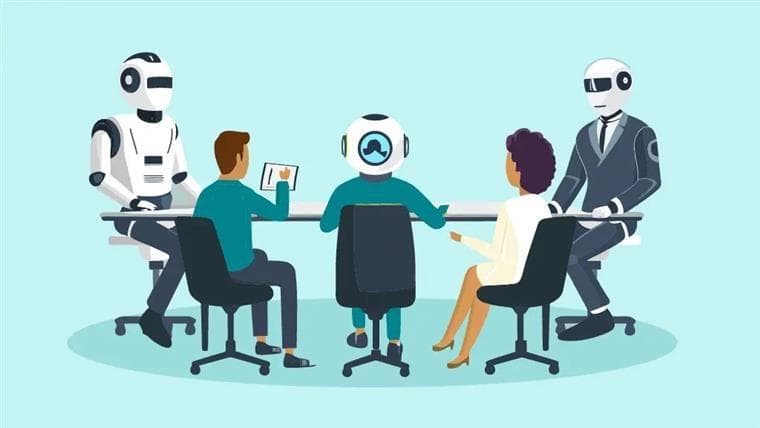
Product team conducts weekly sprint planning: 90-minute meeting with 12 participants (18 person-hours) reviewing completed work, planning next sprint, assigning tasks. AI-facilitated process: agent analyzes completed work and presents summary asynchronously, identifies capacity and skill availability across team, proposes task assignments optimized for delivery timeline, flags dependencies requiring human decision. Human team reviews proposals in 20 minutes, makes strategic decisions on priorities, approves assignments. Meeting time: 4 person-hours saved per week, 208 hours saved per year per team. This transformation from human-coordinated operations to AI-orchestrated execution represents one of the most significant organizational shifts in enterprise historyand the organizations that execute this transition successfully will gain structural advantages that competitors cannot easily replicate.
The Operational Reality: Why Traditional Approaches Cannot Scale
The challenge addressed in ai agents that conduct meetings, assign tasks & follow up automatically is not a temporary inefficiency that can be solved through better training or process optimization. It is a structural limitation of human-coordinated operations that becomes more severe as organizational complexity increases. As enterprises grow, add systems, expand geographically, and operate across time zones, coordination complexity increases exponentially while human coordination capacity increases linearly. The mathematical reality is that human-coordinated models break at scalethey cannot keep pace with the coordination demands that modern enterprise operations create.Organizations experiencing this breakdown report consistent patterns: coordination overhead consuming 40-60% of knowledge worker time, operational delays caused by information fragmentation and unclear responsibilities, decision latency where approval processes create bottlenecks preventing rapid response to changing conditions, and quality inconsistency because different people handle similar situations differently based on their available context and judgment. Traditional solutionsmore meetings, better communication tools, clearer process documentationprovide marginal improvement but cannot solve the fundamental problem: human coordination bandwidth is the constraint, and adding more coordination mechanisms does not expand bandwidth.
AI-Orchestrated Solution: How Autonomous Coordination Changes Operations
AI-orchestrated systems eliminate coordination bottlenecks by handling routine coordination autonomously and escalating only scenarios requiring human judgment. The operational model shifts from humans coordinating all work and using systems as tools to AI agents coordinating routine work and humans handling strategic decisions and exceptions. This inversion fundamentally changes what enterprises can accomplish: instead of coordination capacity limiting operational throughput, system capacity becomes the constrainta constraint that scales with infrastructure investment rather than being bounded by human availability.Organizations deploying AI orchestration report dramatic improvements in operational metrics: 50-70% reduction in coordination overhead as agents handle routine handoffs autonomously, 40-60% improvement in response times because work no longer queues for human coordination, 30-50% increase in operational capacity with the same headcount as coordination work shifts from humans to autonomous systems, and 60-80% reduction in coordination-related errors because agents maintain context and apply consistent logic rather than depending on human memory and judgment. The strategic advantage is compounding: as more workflows become AI-orchestrated, humans have more capacity for strategic work, which allows organizations to take on more complex initiatives that drive competitive differentiation.
Implementation Strategy: Building AI-Orchestrated Operations
Successful transition to AI-orchestrated operations follows a clear but demanding path. Organizations must identify high-coordination workflows where human overhead is measurable and painful, deploy AI agents with explicit authority boundaries and escalation criteria for those workflows, measure the shift in human time allocation from coordination to strategic work, and expand orchestration scope systematically as each deployment demonstrates reliable autonomous operation. The failure pattern is attempting to automate everything simultaneously without establishing governance frameworks, monitoring infrastructure, and organizational readiness that make autonomous coordination acceptable to stakeholders.The governance requirements are non-negotiable: clear authority boundaries defining what agents can decide autonomously versus what requires human approval, comprehensive audit trails making all agent decisions transparent for compliance review and performance analysis, exception routing protocols ensuring complex scenarios reach appropriate human decision-makers with sufficient context, and continuous monitoring detecting when agents operate near authority boundaries or encounter scenarios requiring governance rule updates. Organizations with mature AI orchestration report that governance and monitoring account for 40% of implementation effortnot because the technology is complex but because organizational acceptance of autonomous operations requires demonstrable control and transparency. The enterprises succeeding are those treating AI orchestration as operational infrastructure requiring the same rigor as financial systems or security controls rather than as experimental technology that can be deployed informally.
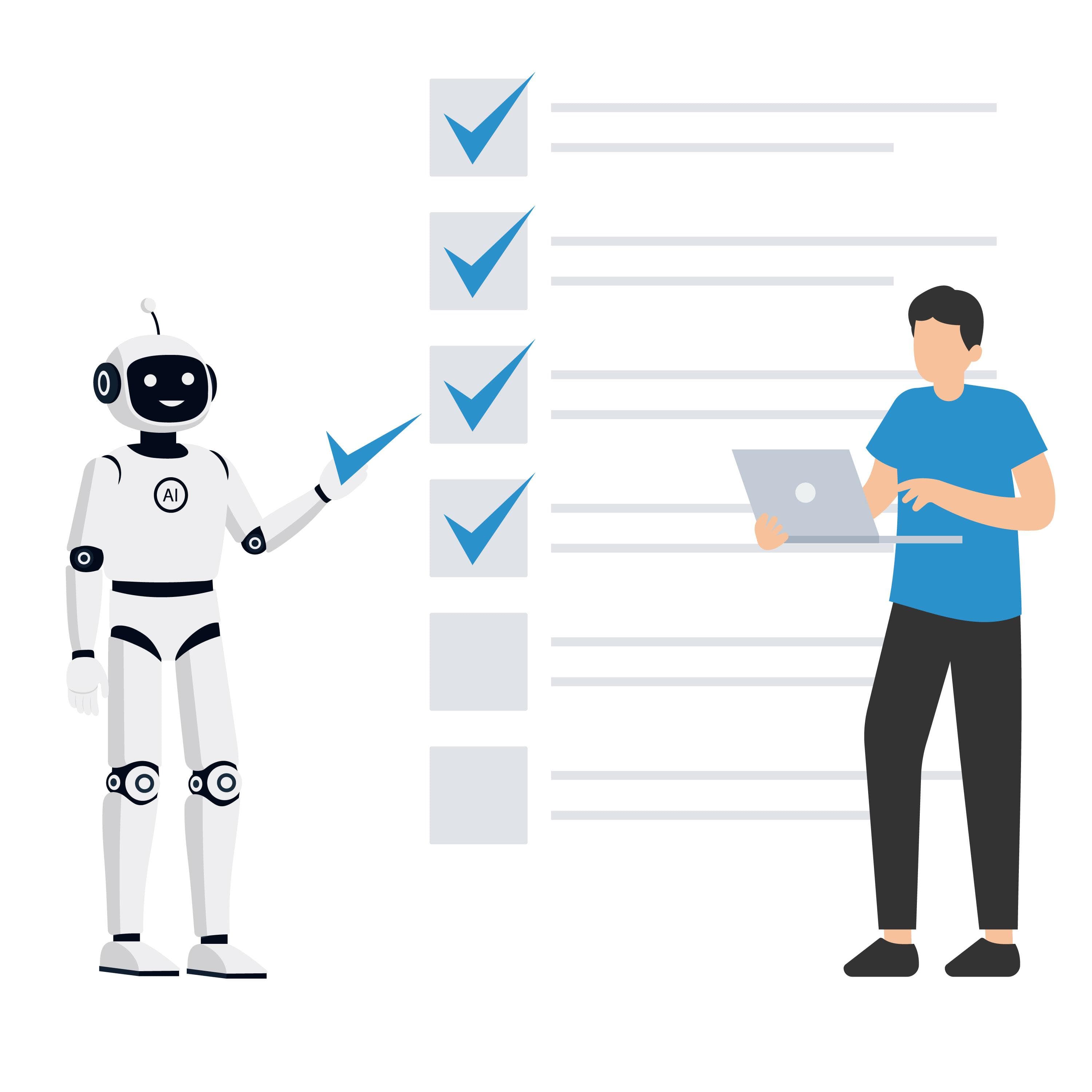
The Future of Product Management with Autonomous AI Agents
Related articles
View all →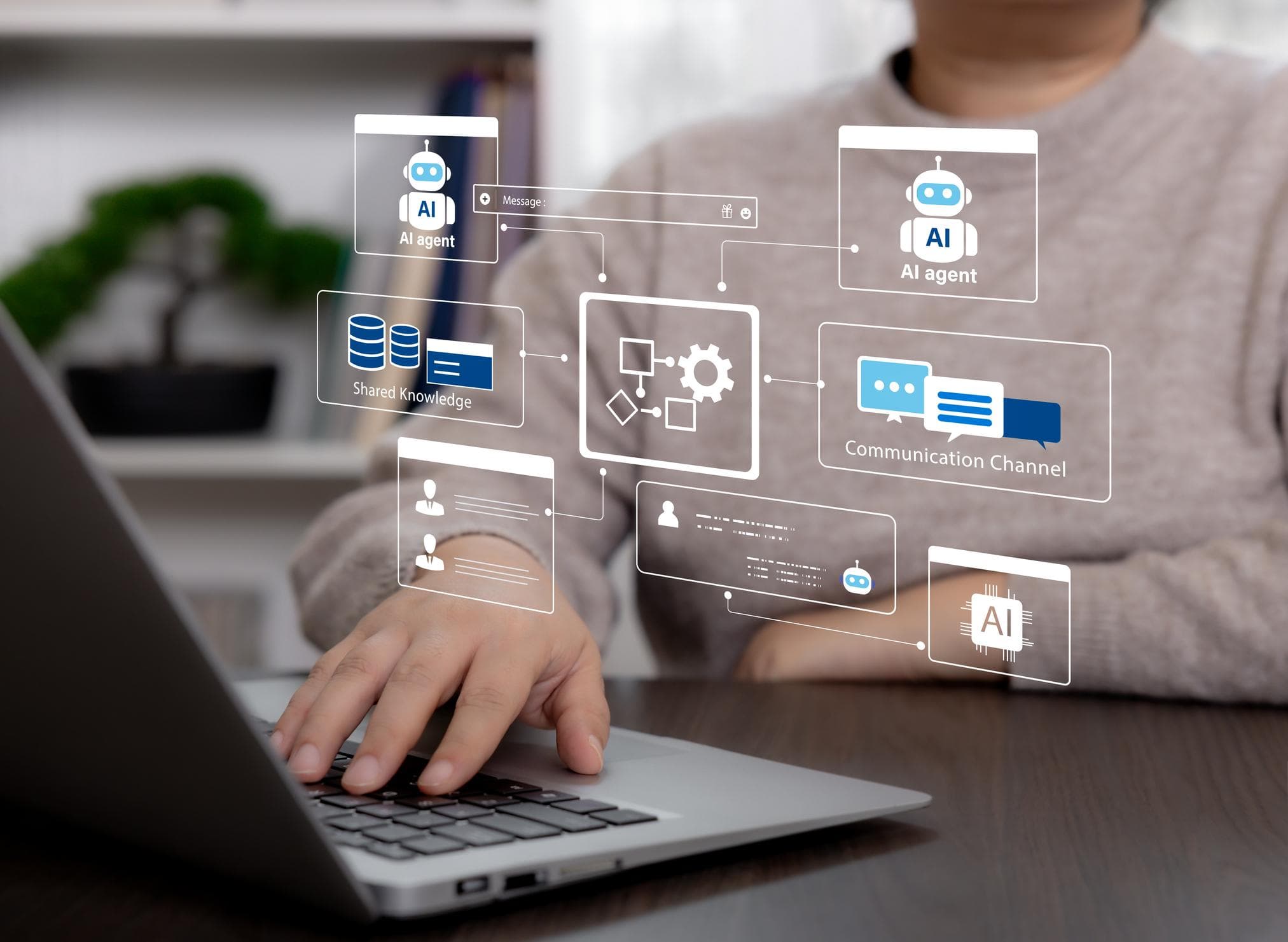 AI Agents
How AI Agents Are Transforming Enterprise Workflow Intelligence
AI agents autonomous systems that perceive their environment, reason about objectives, and take action across enterprise workflows are moving from research concept to operational reality. The enterprises deploying AI agents at scale are discovering that workflow intelligence is not just about automation it is about creating organisational capability that compounds with every cycle.
 SuperManager AGI
How Super Manager AGI Enables Scalable Enterprise Execution Across Global Teams
Global enterprise execution is the coordination of work, information, and decisions across time zones, languages, legal jurisdictions, and cultural contexts a challenge that has historically required substantial middle-management infrastructure. SuperManager AGI is redesigning this challenge by providing the coordination layer that human middle management was providing, at a fraction of the cost and a multiple of the speed.
 Coordination
AI-Powered Enterprise Coordination for Cross-Functional Business Teams
Cross-functional coordination is one of the highest-cost, highest-friction activities in enterprise management. AI-powered coordination systems are reducing this friction dramatically and the teams that adopt them are moving faster, with fewer misalignments and less coordination overhead.