Building Autonomous Enterprises with AI Coordination and Workflow Intelligence
The autonomous enterprise one where the majority of routine operational coordination and execution is handled by AI systems without human intervention is no longer a theoretical construct. It is a design target that the most forward-thinking enterprise leaders are actively building toward.
Aditya Sharma
Author
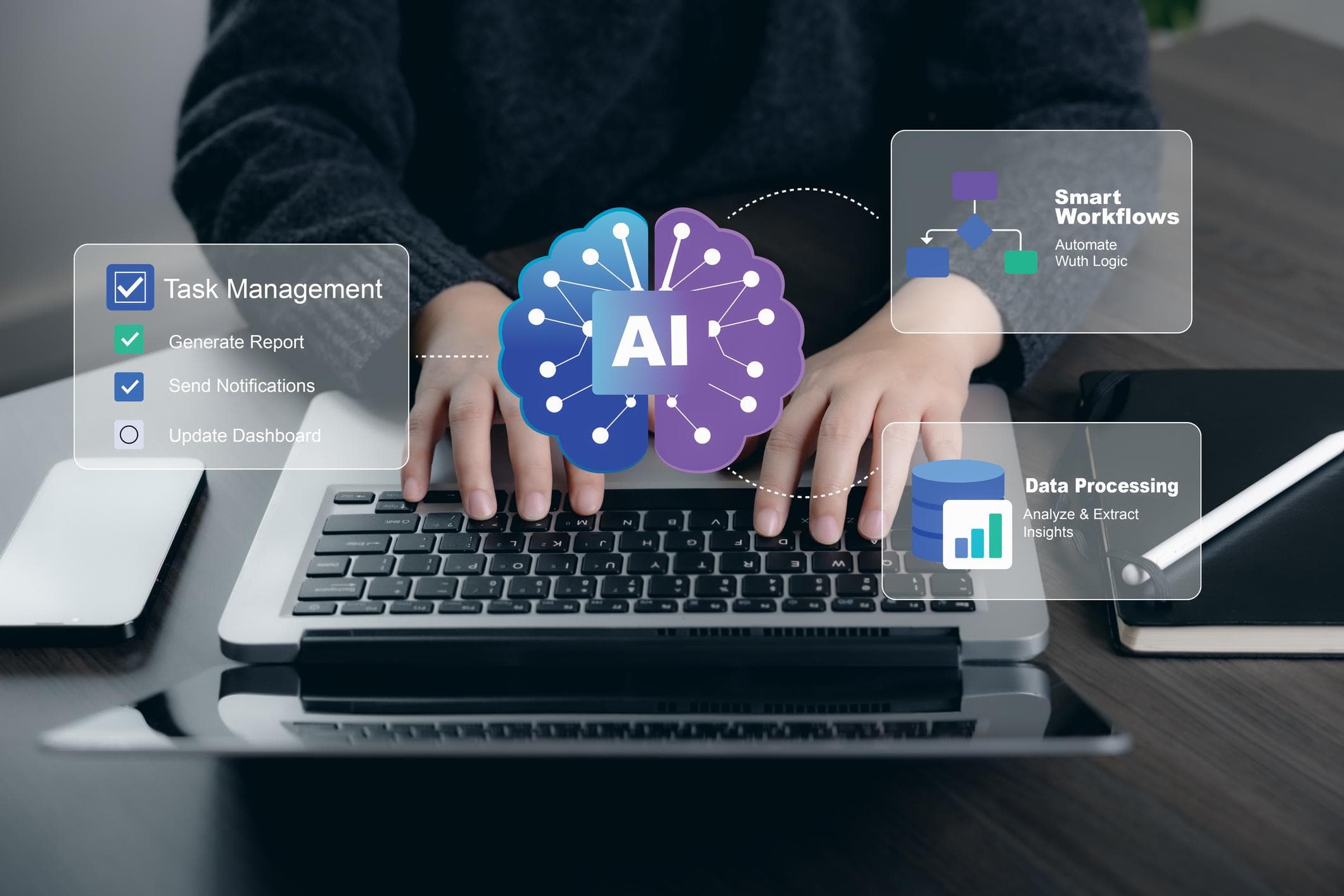
The fully autonomous enterprise in which all operational decisions are made by AI systems without human involvement is not a near-term reality, and for most enterprise functions, not a desirable one. Human judgment, creativity, relationship management, and ethical reasoning are capabilities that AI systems do not replicate, and the enterprise that eliminates human involvement entirely from its operations eliminates capabilities it needs. The partially autonomous enterprise in which the majority of routine operational coordination and execution is handled by AI systems, freeing human capacity for the strategic and judgment-intensive work that AI cannot do is both achievable and highly desirable. Building toward this model is the strategic direction that the most forward-thinking enterprise leaders are pursuing, and the distance between the current state of most enterprises and this target is the opportunity that AI coordination and workflow intelligence technology is beginning to address.
The Autonomous Enterprise Architecture
The autonomous enterprise architecture has three defining layers. The execution layer consists of AI agents and automated workflow systems that handle the routine operational tasks of the enterprise processing transactions, coordinating logistics, managing customer service interactions, monitoring compliance, and executing the hundreds of other operational tasks that keep a large enterprise functioning. The intelligence layer provides the analytical and decision-making capability that informs autonomous execution demand forecasting, risk assessment, performance optimisation, anomaly detection the AI-powered cognition that makes autonomous execution smart rather than merely mechanical.The oversight layer is where human judgment operates setting strategic direction, defining the parameters within which autonomous systems operate, handling the situations that fall outside those parameters, and continuously improving the autonomous systems based on observed performance. The design of the interfaces between these three layers how the intelligence layer informs execution, how the execution layer surfaces situations to the oversight layer, and how the oversight layer's decisions flow back into the intelligence and execution layers is the core architectural challenge of building an autonomous enterprise.
The Path to Autonomous Enterprise Operation
Domain-by-Domain Autonomy Development
The practical path to autonomous enterprise operation is domain-by-domain autonomy development systematically building the data infrastructure, AI capability, and governance framework required for autonomous operation in each enterprise function, beginning with the domains where the autonomy case is clearest and the risk profile is most manageable. Supply chain operations, where the process structure is well-defined, the data is largely available, and the decisions are largely judgment-light, is typically the first domain where meaningful operational autonomy is achievable. Financial operations accounts payable, accounts receivable, financial reporting is typically next. Customer service automation follows, with the judgment-intensive elements of customer service remaining human-operated longest.
The Continuous Learning Imperative
Autonomous enterprise systems that do not learn from their operational experience become increasingly misaligned with the environment they are operating in as that environment changes. Building continuous learning into the autonomous enterprise architecture mechanisms through which operational outcomes feed back into the AI systems that made the decisions producing those outcomes is the design imperative that ensures autonomous operation improves over time rather than degrading as the environment evolves. This learning loop design is one of the most technically complex and most strategically important elements of the autonomous enterprise architecture.
Autonomous Enterprise Building Questions
- Which enterprise domains are most ready for meaningful autonomy today based on process structure, data availability, risk profile, and the maturity of available AI systems?
- What would a three-year autonomy roadmap look like for your enterprise sequencing domain-by-domain autonomy development in order of readiness and strategic impact?
- What continuous learning architecture would you build into your autonomous enterprise systems and how would you ensure that learning happens at a rate that keeps the systems aligned with a changing operational environment?
- What human oversight model would you design for an autonomous enterprise architecture defining the roles, responsibilities, and capabilities of the human oversight layer?
- What is the primary barrier to autonomous enterprise development in your organisation technology availability, data infrastructure, governance capability, or organisational culture and what is your plan to address it?

How Super Manager AGI Is Redefining Enterprise Execution for Consulting, Pharma, and Global Enterprises
Related articles
View all → Autonomous Coordination
The Rise of Autonomous Enterprise Coordination Platforms
Enterprise coordination the alignment of people, processes, information, and resources across organisational boundaries has always been expensive, slow, and error-prone when managed through human intermediaries alone. Autonomous coordination platforms powered by AI are replacing the coordination overhead of large organisations with intelligent systems that synchronise the enterprise continuously and without manual intervention.
 AI Agents
How AI Agents Are Transforming Enterprise Workflow Intelligence
AI agents autonomous systems that perceive their environment, reason about objectives, and take action across enterprise workflows are moving from research concept to operational reality. The enterprises deploying AI agents at scale are discovering that workflow intelligence is not just about automation it is about creating organisational capability that compounds with every cycle.
 AI-Native Infrastructure
Why Global Enterprises Need AI-Native Operational Infrastructure
The operational infrastructure that global enterprises built in the pre-AI era was designed for a different competitive environment. Enterprises that try to layer AI on top of legacy operational infrastructure will capture a fraction of AI's potential. The ones that rebuild their operational foundations as AI-native will gain structural advantages their competitors cannot close.