How AI Is Transforming Enterprise Marketing Strategies
AI is not just changing how marketers work it is changing what marketing is capable of. From hyper-personalised customer journeys to predictive campaign optimisation, the gap between AI-enabled and AI-resistant marketing organisations is widening fast.
Prince Kumar
Author
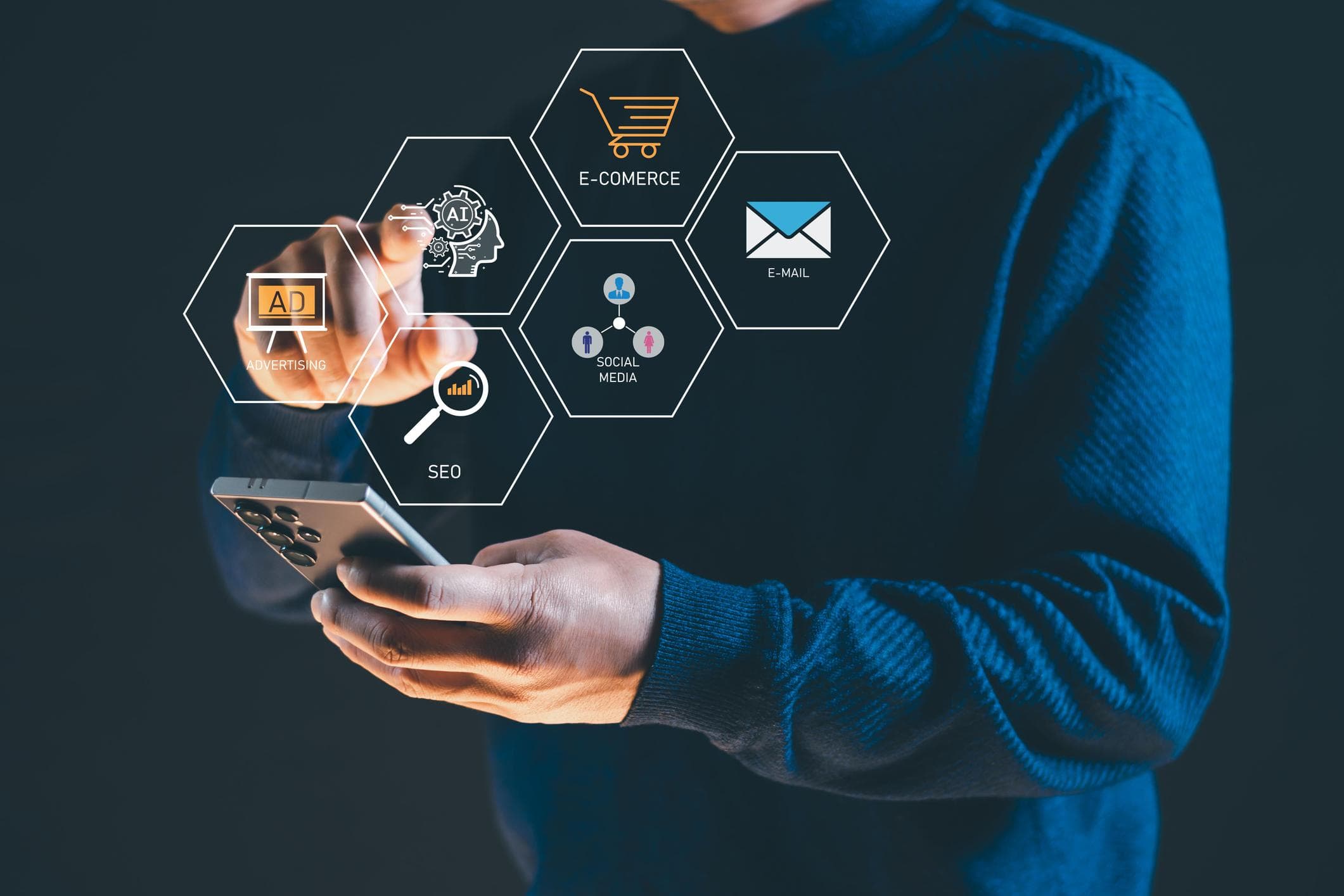
The marketing function has always been the business unit most exposed to data and most challenged by the volume and complexity of that data. A large enterprise running campaigns across ten channels, five customer segments, three product lines, and multiple geographies generates more marketing performance data in a week than a marketing team could manually analyse in a quarter. The result, historically, was that marketing decisions were made on partial data, delayed reporting, and the intuition of experienced practitioners. AI changes the fundamental constraint. Not because AI replaces marketing judgment it does not but because AI removes the bottleneck between data generation and data utilisation, allowing marketing decisions to be made faster, at finer granularity, and with continuous optimisation rather than periodic review.
The Five AI Transformations in Enterprise Marketing
The first transformation is audience intelligence. AI-powered customer segmentation moves beyond demographic and behavioural buckets to dynamic, intent-based segments that update in real time as customer behaviour changes. The brand that knows a customer is in an active purchase consideration window based on browsing behaviour, search patterns, and engagement signals before the customer has expressed explicit purchase intent has a significant advantage in the efficiency of its acquisition spend.The second transformation is creative optimisation. AI systems that test hundreds of creative variations simultaneously, learn which elements drive performance for which segments, and automatically allocate budget toward high-performing combinations reduce the gap between creative intuition and creative performance. The result is marketing creative that is continuously improving rather than periodically refreshed.
AI Marketing Capabilities by Business Function
Performance Marketing: From Optimisation to Prediction
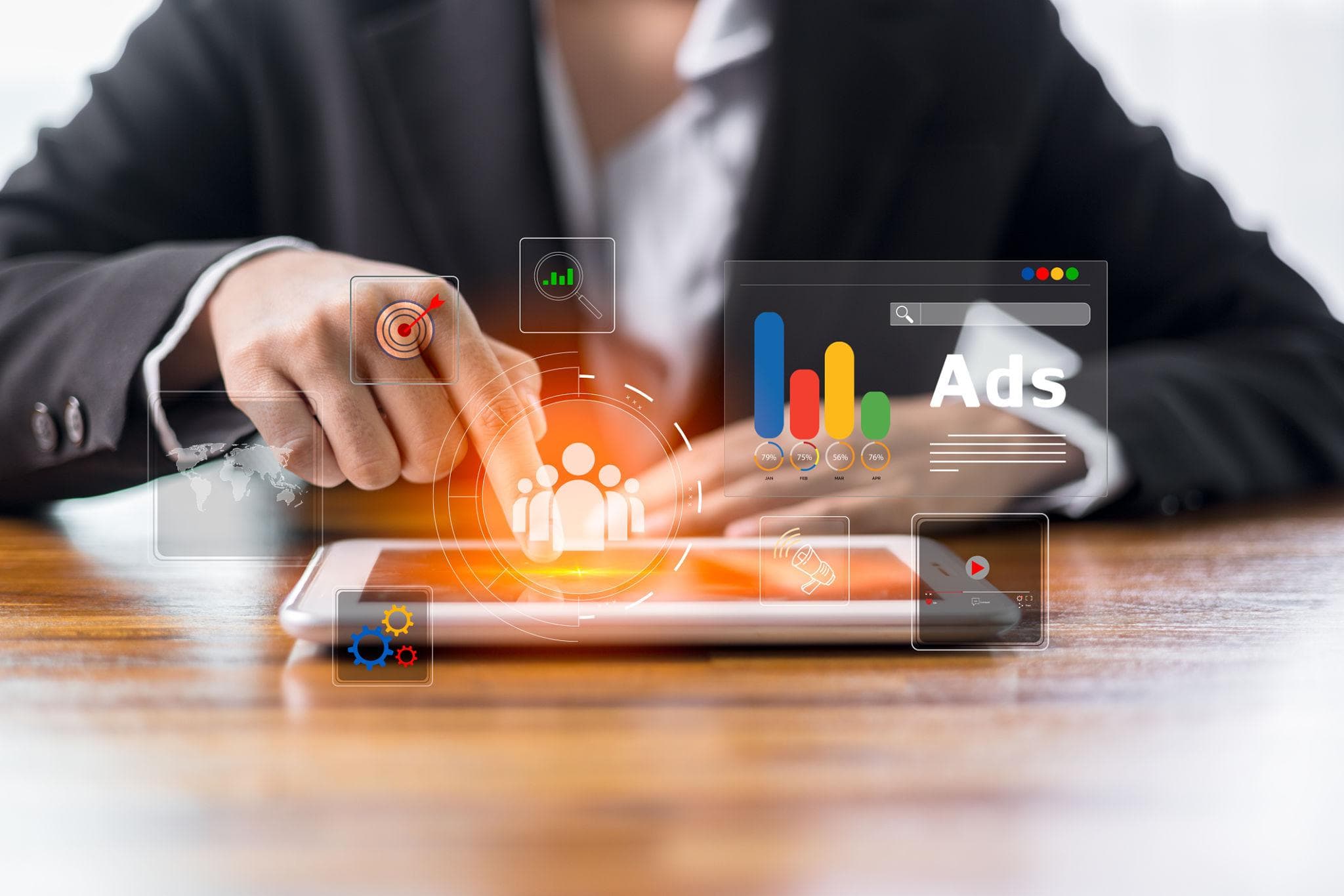
The evolution of AI in performance marketing is moving from optimisation adjusting bids, budgets, and targeting based on historical performance to prediction: identifying which customers are likely to convert before they have expressed explicit intent, which campaigns are likely to underperform before the budget is spent, and which product-audience combinations have untapped potential before the tests have run. For D2C brands, this means AI-powered performance marketing that can reduce customer acquisition cost by 20 to 35 percent through better targeting precision while simultaneously improving the quality of acquired customers as measured by 90-day LTV.
Content Marketing: Scale Without Sacrifice of Quality
The historical constraint on content marketing at scale was the human resource requirement: writers, designers, editors, and strategists whose capacity set a ceiling on content output. AI removes that ceiling while introducing a new management challenge maintaining brand voice, factual accuracy, and strategic relevance across AI-generated content at volume. The enterprise marketing organisations that are winning at AI-powered content are not using AI to replace their content teams. They are using AI to amplify what their content teams can produce handling research, first drafts, SEO optimisation, and format adaptation while human editors maintain quality and strategic alignment.
AI Marketing Readiness Assessment
- What is your current time lag between a campaign going live and having actionable performance data to make optimisation decisions?
- Are your customer data sources CRM, website analytics, marketplace data, customer service records connected to a unified data layer that AI tools can access?
- What percentage of your marketing budget is currently allocated to channels where AI-powered optimisation is available and being used?
- Do you have a defined process for testing AI-generated creative against human-produced creative, and have you established performance benchmarks?
- What is your current cost of content production per asset, and how does this compare to the cost of AI-assisted production at equivalent quality?
Related articles
View all → Autonomous Coordination
The Rise of Autonomous Enterprise Coordination Platforms
Enterprise coordination the alignment of people, processes, information, and resources across organisational boundaries has always been expensive, slow, and error-prone when managed through human intermediaries alone. Autonomous coordination platforms powered by AI are replacing the coordination overhead of large organisations with intelligent systems that synchronise the enterprise continuously and without manual intervention.
 AI Agents
How AI Agents Are Transforming Enterprise Workflow Intelligence
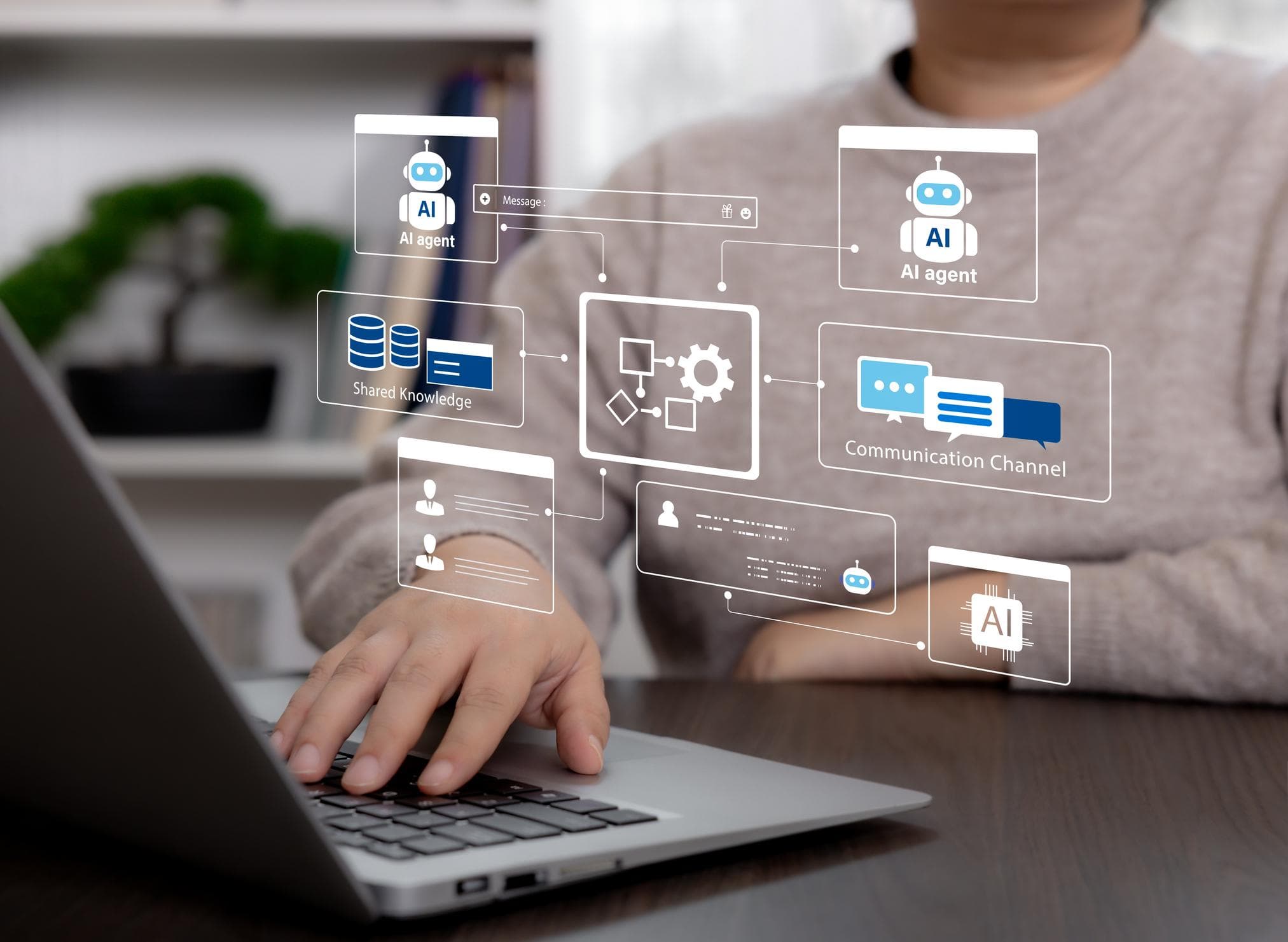
AI agents autonomous systems that perceive their environment, reason about objectives, and take action across enterprise workflows are moving from research concept to operational reality. The enterprises deploying AI agents at scale are discovering that workflow intelligence is not just about automation it is about creating organisational capability that compounds with every cycle.
 AI-Native Infrastructure
Why Global Enterprises Need AI-Native Operational Infrastructure
The operational infrastructure that global enterprises built in the pre-AI era was designed for a different competitive environment. Enterprises that try to layer AI on top of legacy operational infrastructure will capture a fraction of AI's potential. The ones that rebuild their operational foundations as AI-native will gain structural advantages their competitors cannot close.