Super Manager AGI and the Evolution of Enterprise Execution Platforms
Enterprise execution platforms have evolved from ERP to BPM to RPA to AI agents. Super Manager AGI represents the next step in this evolution: a platform that does not just automate predefined processes but coordinates, adapts, and executes across the full complexity of enterprise operations with the judgment of an experienced manager.
Nirmal Nambiar
Author

The history of enterprise execution platforms is the history of progressively more intelligent automation. SAP and Oracle automated the record-keeping and process management of enterprise operations in the 1990s and 2000s reducing the administrative overhead of managing complex organisations but still requiring human judgment for every significant decision. Business process management platforms in the 2000s and 2010s automated the workflow routing and approval chains that governed how work moved through organisations reducing coordination overhead while still relying on humans to handle the judgments that routing rules could not encode. Robotic process automation in the 2010s automated the execution of specific task sequences within and across systems reducing the labour cost of repetitive operational work while remaining brittle in the face of exceptions and variation. AI agents in the early 2020s extended automation to include contextual judgment, multi-step planning, and adaptive behaviour moving the automated frontier significantly beyond what rule-based RPA could handle. Super Manager AGI represents the next evolutionary step: an enterprise execution platform with the situational awareness, judgment, and coordination capability of an experienced senior manager one who understands the enterprise's objectives, has access to all relevant operational data, can coordinate action across all functions and systems, and can handle the complexity, ambiguity, and novelty that characterises real enterprise management. The emergence of this capability is not a future prediction. It is an engineering trajectory that is clearly visible in the rapid capability improvement of large language model-powered agentic systems, and that the most forward-looking enterprise technology leaders are already designing their infrastructure to accommodate.
The Evolutionary Arc from ERP to Super Manager AGI
Each generation of enterprise execution platform has expanded the scope of what can be automated by addressing the limitation that constrained the previous generation. ERP automated record-keeping but could not automate decisions. BPM automated workflow routing but could not automate judgment. RPA automated task execution but could not handle variation. AI agents handle variation but operate within defined domains without enterprise-wide coordination. Super Manager AGI extends the automatable frontier to the enterprise-wide coordination and judgment layer the management work of understanding the full enterprise situation, identifying where action is needed, coordinating the right resources, and adapting the approach as conditions change. The limiting factor of each previous generation was the assumption that the system's designer could anticipate every situation the system would encounter. RPA fails when processes deviate from the programmed script. Rule-based workflow fails when situations fall outside the predefined routing logic. Domain-specific AI agents excel within their domain but cannot see or manage the interdependencies between their domain and the rest of the enterprise. Super Manager AGI addresses this limitation through genuine contextual understanding: the ability to read the current state of the enterprise as a whole, understand the implications of what it observes, and coordinate responses that account for the full enterprise context rather than just the domain the system was designed to handle.The engineering foundations of Super Manager AGI are the capabilities that have matured most rapidly in the large language model research of the past three years: reasoning across complex, multi-dimensional situations; planning multi-step action sequences with conditional branching; integrating information from diverse sources into coherent situational understanding; and adapting plans in response to unexpected developments. These capabilities, deployed in an enterprise context with reliable system integration, robust security architecture, and appropriate governance frameworks, are the components of an enterprise execution platform that can operate at the judgment level of a senior manager not for the creative and relational aspects of management, but for the operational coordination and decision execution that consume the majority of management time in complex organisations.
The Four Platform Layers of Super Manager AGI
Layer 1: Enterprise perception and situational understanding
The foundation of Super Manager AGI is its ability to continuously perceive and understand the current state of the enterprise across all operational dimensions. This requires real-time integration with all significant enterprise data systems, the ability to synthesise heterogeneous data sources into a coherent situational picture, and the contextual intelligence to interpret what the data means not just what it shows. An enterprise with 200 operational metrics changing continuously does not need a system that reports all 200 metrics. It needs a system that understands which combinations of metrics indicate emerging problems, which deviations are within normal operating range, and which signals require immediate attention. The perception layer of Super Manager AGI provides this interpretive intelligence turning data into understanding at the speed the enterprise environment requires.
Layer 2: Decision generation and evaluation
When Super Manager AGI's perception layer identifies a situation requiring action, its decision layer generates and evaluates the response options available assessing each option against the enterprise's objectives, constraints, and current state, and selecting the option most likely to produce the desired outcome. This decision generation is not rule lookup. It is genuine reasoning across the current context understanding which standard approaches apply, which require modification given the current situation, and which situations require genuinely novel responses that no predefined rule or template anticipated. The decision layer operates under explicit confidence calibration: assessing its own certainty about the best response and routing to human decision-makers when confidence falls below the threshold required for autonomous execution.
Layer 3: Coordinated execution across enterprise systems
Super Manager AGI's execution layer coordinates the implementation of decisions across the enterprise systems and human stakeholders required to produce the intended outcome. This coordination involves sequencing actions correctly, managing dependencies between steps, communicating with affected stakeholders through appropriate channels, monitoring execution progress, and intervening when execution deviates from plan. The execution layer maintains a continuous model of the gap between the current state and the intended outcome driving execution until the gap is closed, not just until the initial action has been taken. This outcome-oriented execution distinguishes Super Manager AGI from task automation: it is responsible for the result, not just the task.
Layer 4: Learning and capability evolution
Super Manager AGI improves its performance continuously through experience tracking the outcomes of its decisions, identifying the patterns that distinguish successful from unsuccessful responses, and updating its decision models to improve future performance. This learning operates at multiple timescales: rapid adaptation to the specific operational patterns of the enterprise it serves, medium-term improvement in decision accuracy as it accumulates outcome data, and long-term capability development as it encounters and resolves novel situations that expand its operational competence. An enterprise's Super Manager AGI becomes more capable more accurate, more contextually appropriate, more aligned with enterprise-specific operational patterns with each month of operation, building an enterprise-specific intelligence advantage that external competitors deploying generic AI systems cannot easily replicate.
The Super Manager AGI Platform Readiness Diagnostic
- Does your enterprise data architecture provide the real-time, comprehensive operational visibility that Super Manager AGI requires or are your data systems too fragmented, too latent, or too incomplete to support enterprise-wide situational understanding?
- Have you designed the human-AGI governance framework that defines the scope of autonomous AGI decision authority, the escalation criteria for human involvement, and the accountability structure for AGI-coordinated outcomes?
- Is your enterprise integration architecture capable of supporting the read-write system access that AGI execution requires providing APIs and event streams that allow the AGI platform to act across enterprise systems, not just observe them?
- Have you assessed the security implications of an enterprise AGI platform with broad system access and execution authority and designed the security architecture, access controls, and anomaly monitoring required to operate it safely?
- Is your leadership team developing the AI literacy required to direct, evaluate, and govern a Super Manager AGI platform understanding how to set objectives that AGI can pursue effectively, how to evaluate AGI performance, and how to identify when AGI behaviour is misaligned with enterprise intent?

Building AI-First Enterprises with Intelligent Execution and Coordination Systems
Related articles
View all →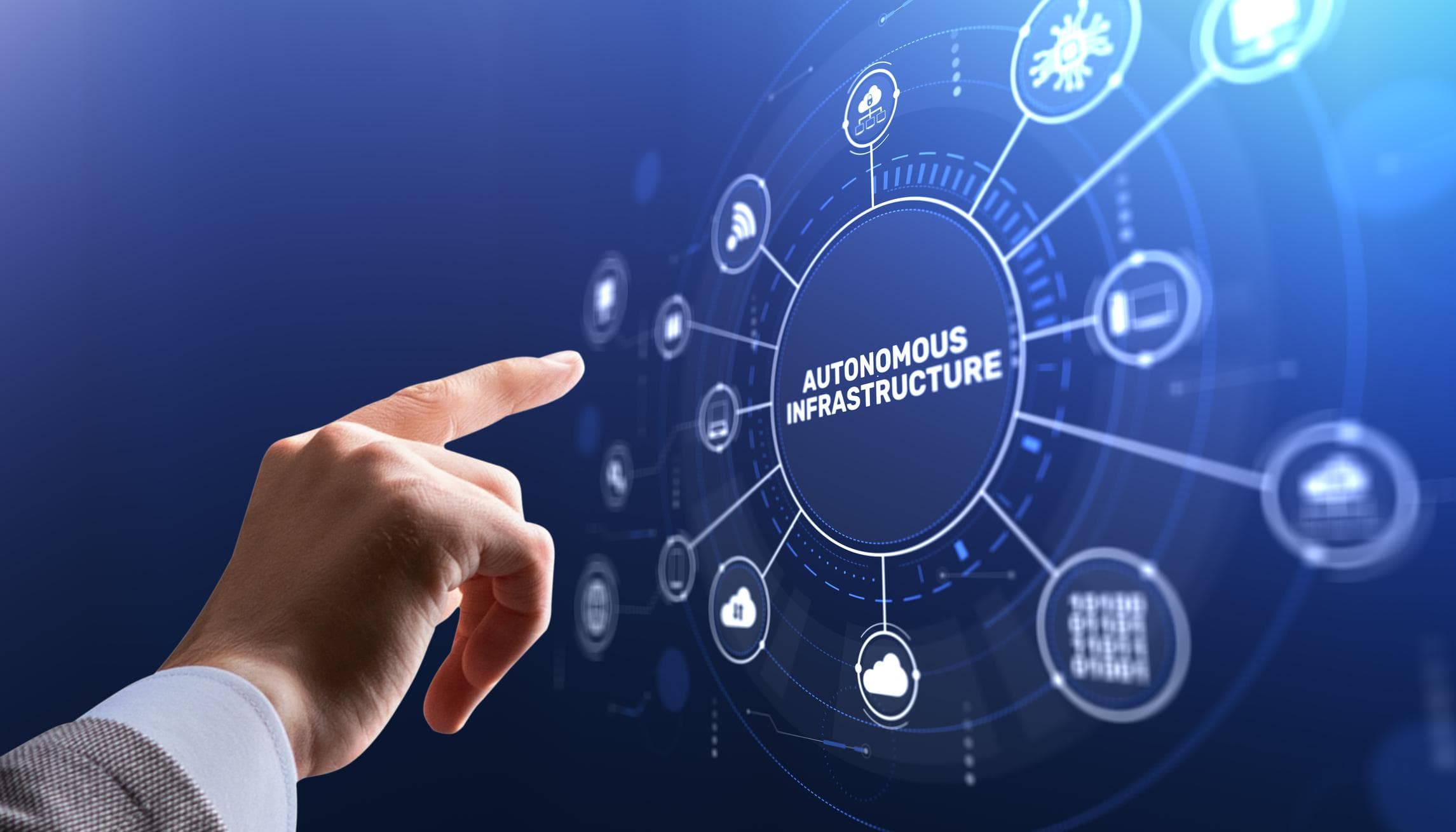 Autonomous Coordination
The Rise of Autonomous Enterprise Coordination Platforms
Enterprise coordination the alignment of people, processes, information, and resources across organisational boundaries has always been expensive, slow, and error-prone when managed through human intermediaries alone. Autonomous coordination platforms powered by AI are replacing the coordination overhead of large organisations with intelligent systems that synchronise the enterprise continuously and without manual intervention.
 AI Agents
How AI Agents Are Transforming Enterprise Workflow Intelligence
AI agents autonomous systems that perceive their environment, reason about objectives, and take action across enterprise workflows are moving from research concept to operational reality. The enterprises deploying AI agents at scale are discovering that workflow intelligence is not just about automation it is about creating organisational capability that compounds with every cycle.
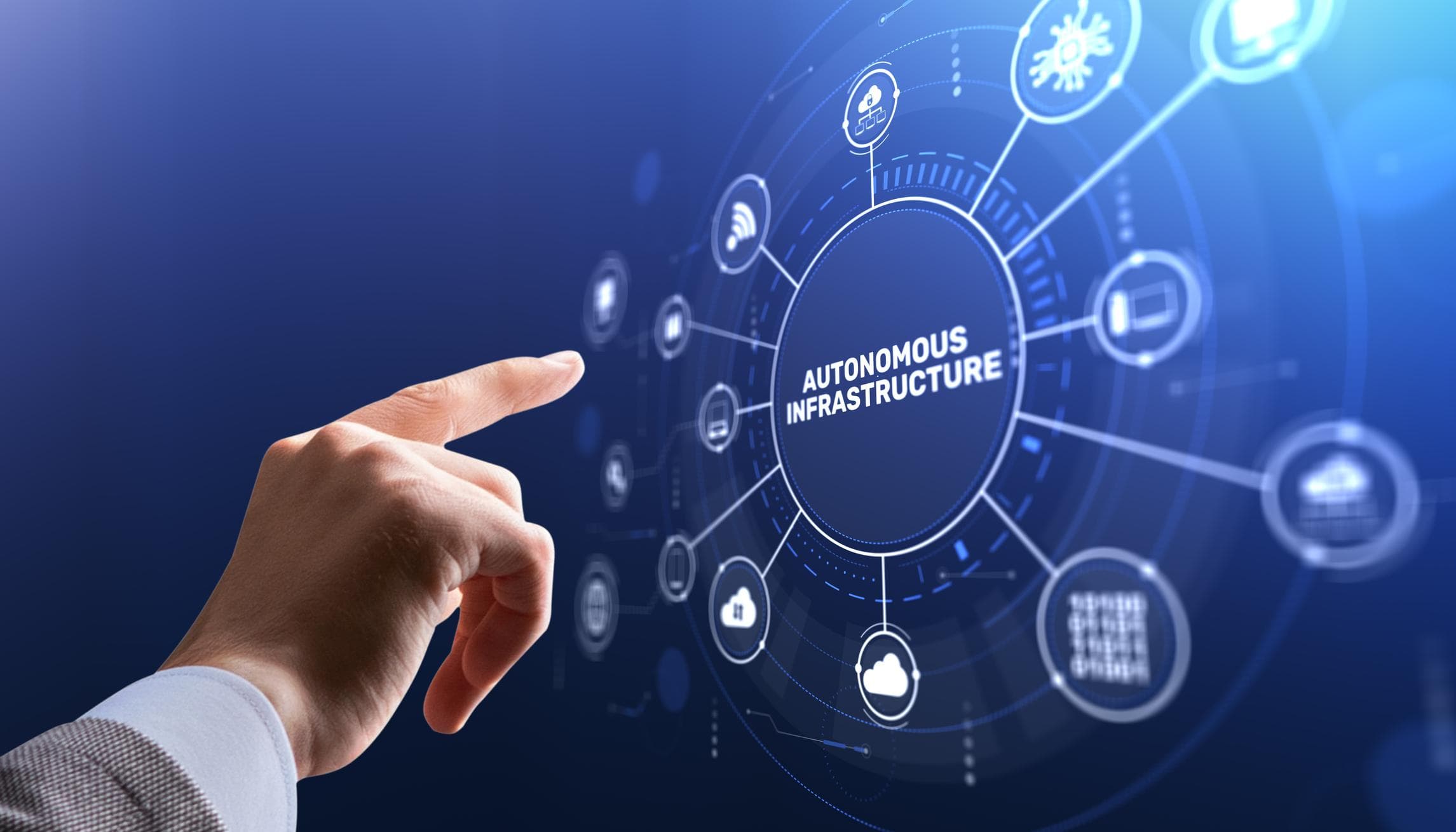 AI-Native Infrastructure
Why Global Enterprises Need AI-Native Operational Infrastructure
The operational infrastructure that global enterprises built in the pre-AI era was designed for a different competitive environment. Enterprises that try to layer AI on top of legacy operational infrastructure will capture a fraction of AI's potential. The ones that rebuild their operational foundations as AI-native will gain structural advantages their competitors cannot close.