The Death of Digital-Only Brands: What Comes Next
The digital-only D2C brand no retail presence, no offline touchpoints, pure e-commerce was the defining business model of Indian consumer startups from 2018 to 2023. By 2026, the model is structurally under pressure from rising CAC, AI search disruption, and the maturation of the Indian offline retail channel. What comes next is omnichannel and the brands that understand what that actually requires will be the ones that survive.
Aditya Sharma
Author
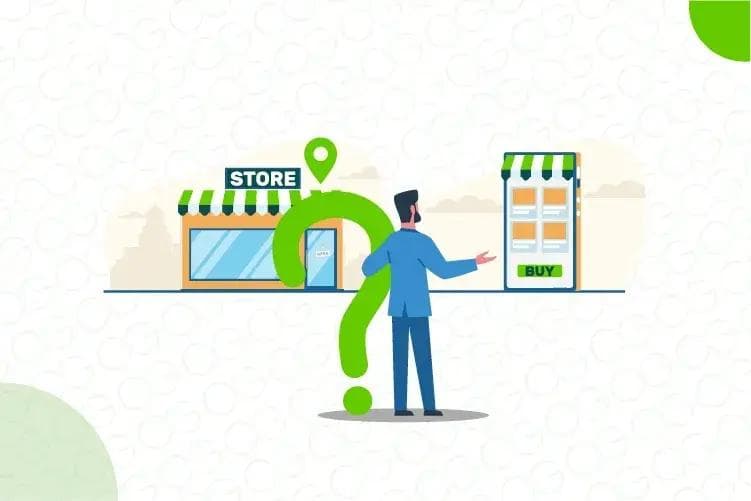
The pitch that launched a hundred Indian D2C brands between 2018 and 2022 was seductive in its simplicity: cut out the retailer, sell directly to the consumer, own the customer relationship, build a brand with high margins and real data. The model worked for a while, and for a few. The brands that raised at high valuations on the strength of digital-only growth metrics are now confronting a set of structural realities that the original model did not anticipate: customer acquisition costs that have increased three to five times since 2019, platform dependency that makes marketplace-heavy revenue fragile, and a consumer who has returned to physical retail with a sophistication and demand for multi-channel experience that digital-only brands are structurally unable to serve. The death of the digital-only brand is not a prediction. It is a present-tense reality that the data on cohort retention, CAC trends, and brand longevity in D2C categories confirms. What comes next is the harder and more interesting question.
Why the Digital-Only Model Is Breaking Down
The digital-only D2C model was economically viable when customer acquisition was cheap, organic discovery was accessible, and the novelty premium of buying directly from a brand rather than through a retailer was meaningful to consumers. All three of these conditions have eroded simultaneously. Facebook and Instagram CPMs for D2C categories in India have increased by 180 to 220% since 2020. Google search costs for high-intent product keywords have followed a similar trajectory. Organic discovery through social media and SEO is increasingly mediated by AI systems that favour established brands with broad web authority over new entrants with strong on-page optimisation.The consumer, meanwhile, has matured. The excitement of discovering a new brand on Instagram and buying directly from its website has been replaced by the convenience calculus of buying through a platform that offers faster delivery, easier returns, and price comparison at a glance. The D2C brand's advantage direct relationship, owned data, margin preservation is real but insufficient when the consumer's purchase decision is driven primarily by convenience and price.
The Omnichannel Reality: What It Actually Requires
Omnichannel is the word that every D2C brand uses to describe their retail expansion plans and it is a word that obscures more than it reveals about what the transition actually requires. Going omnichannel is not adding a retail presence alongside a digital business. It is rebuilding the operational architecture of the business to serve fundamentally different demand patterns, margin structures, and customer relationship models simultaneously.Retail requires a different packaging format, different price architecture, different minimum order quantities, different inventory management, different sales and distribution infrastructure, and different performance metrics than e-commerce. Quick commerce Blinkit, Zepto, Swiggy Instamart requires a different SKU strategy, different fulfilment partnership, and different margin calculation than either traditional retail or e-commerce. Managing all three channels simultaneously without creating channel conflict, margin compression, or inventory complexity that the operations team cannot manage is the actual challenge of omnichannel and most digital-only brands that attempt the transition underestimate it by a significant margin.
What Comes After Digital-Only
The brands that are successfully navigating the post-digital-only landscape are not the ones that added retail as an afterthought to a digital business. They are the ones that redesigned their business model around the question of where their specific consumer makes purchase decisions and built the operational infrastructure to be present and competitive in those channels before the digital-only model showed visible signs of stress.For most Indian D2C categories, the answer in 2026 involves three channels in combination: a direct digital presence (website and app) for the highest-LTV customers who prefer the brand relationship and the loyalty benefits; marketplace presence (Amazon, Flipkart, Meesho) for the high-discovery, high-volume consumer segment; and physical retail or quick commerce for the impulse and convenience purchase occasion. The strategic question is not whether to go omnichannel that decision has been made by the market. The strategic question is which combination of channels serves the specific consumer segment the brand is best positioned to serve, and what the minimum operational investment required to execute that combination with genuine competitiveness looks like.
Related articles
View all → AI
AIThe Future of AI-Powered Digital Marketplaces
Digital marketplaces are evolving from transactional platforms into intelligent commerce ecosystems. AI is reshaping how buyers discover products, how sellers manage operations, and how platforms create value for everyone in the ecosystem and the pace of this transformation is accelerating.
 Customer Support
How AI Can Transform Enterprise Customer Support Systems
Customer support is one of the highest-cost, highest-impact functions in a growing enterprise. AI is transforming it from a cost centre with linear scaling constraints into an intelligent service layer that delivers better customer outcomes at a fraction of the traditional cost per interaction.
 Logistics
The Future of Smart Logistics and Autonomous Delivery Systems
Autonomous vehicles, drone delivery, AI-powered routing, and real-time supply chain visibility are moving from pilot projects to operational infrastructure. The logistics industry is undergoing its most significant transformation since containerisation and the businesses that adapt earliest will define the next era of commerce.