The End of 'Single Channel Brands' Why Hybrid Commerce Wins
The single-channel brand pure D2C website, pure marketplace, or pure offline retail is becoming structurally disadvantaged against the multi-channel operator who can capture consumer demand at every point where it arises. Hybrid commerce is not a strategy. It is the operating reality of every consumer market in 2026.
Aditya Sharma
Author
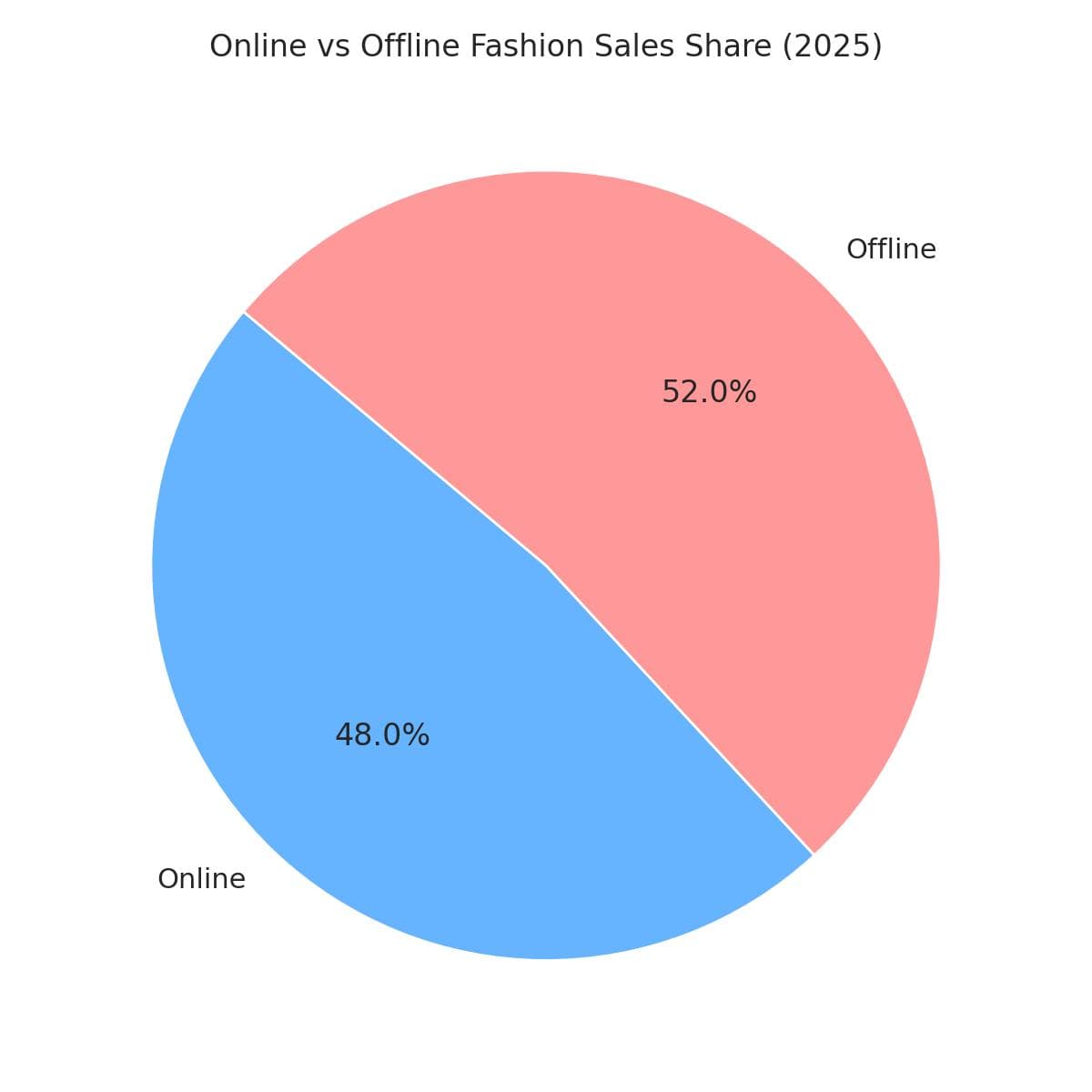
The consumer does not have a channel preference they have a purchase occasion. They buy differently when they are browsing Instagram in the evening (discovery mode, open to impulse purchase), when they are running low on a staple and need it tonight (quick commerce mode, will pay for speed), when they are walking past a pharmacy and notice a familiar brand (offline impulse mode, will buy if the price is right), and when they are doing a planned monthly replenishment (e-commerce mode, will compare prices and buy in bulk for a discount). The brand that is present only in one of these purchase occasion contexts is invisible to the consumer in all the others and the purchase occasion it is absent from is a purchase that goes to a competitor who is present. The single-channel brand is not losing because it is doing its channel poorly. It is losing because the consumer's purchase behaviour spans more channels than the brand has built the capability to serve.
The Purchase Occasion Framework: Why Single Channels Fail
Every consumer purchase occurs within a specific occasion context a combination of the consumer's immediate need state, available time, current location, and purchase convenience preference that determines which channel they will use to fulfil the need. The same consumer will use different channels for the same product category depending on the occasion: they might buy a protein supplement on the brand's website when planning ahead with a subscription discount, on Amazon when they want next-day delivery with Prime, on Blinkit when they have run out and need it today, and at a GNC store when they are already at the mall and want to see the packaging before buying.A brand that is present in only one of these contexts wins that context's purchases and loses all the others. The structural disadvantage compounds because the consumer who cannot find the brand in their preferred purchase context for the specific occasion will often default to a competitor who is present and if the competitor experience is positive, the consumer's brand preference may shift. Single-channel brands are not just losing individual purchases they are creating the conditions under which consumers develop loyalty to competitors simply through the friction of unavailability.
The Hybrid Commerce Architecture
Hybrid commerce the deliberate presence across the mix of channels that covers the majority of the relevant consumer purchase occasions is not the same as undifferentiated multi-channel expansion. The multi-channel brand that lists its products on every available platform without a coherent channel strategy is creating operational complexity and working capital strain without the strategic clarity that drives compounding channel advantage. Hybrid commerce requires a channel architecture: an explicit, documented decision about which channels serve which purchase occasions for the specific brand's consumer, what the brand's role and positioning in each channel is, and what operational investments are required to serve each channel at a standard that creates rather than damages consumer trust.For most Indian D2C brands in 2026, the hybrid commerce architecture that covers the majority of consumer purchase occasions has three layers: a direct digital layer (brand website and app) for the high-LTV, loyalty-programme-engaged, subscription-oriented consumer who has made a deliberate choice to buy from the brand directly; a marketplace and quick commerce layer for the convenience-motivated purchase occasion where immediate availability and competitive pricing determine the purchase decision; and an offline retail layer for the discovery and impulse purchase occasion where physical product encounter drives first-trial and ambient brand familiarity reinforces digital acquisition.
Executing Hybrid Commerce Without Operational Chaos
The operational risk of hybrid commerce is well-documented: channel conflict, margin compression, inventory fragmentation, pricing incoherence, and the management bandwidth required to execute multiple channels simultaneously. These risks are real and they account for the operational failures of many brands that have attempted multi-channel expansion without the supporting infrastructure. The brands that execute hybrid commerce without operational chaos have built four specific infrastructure components before the channel expansion creates the complexity they are designed to manage.The first is unified inventory management: a single inventory ledger with channel-specific allocation logic that prevents overselling and optimises inventory distribution across channels. The second is pricing governance: an active pricing policy that defines the acceptable price range for each channel and a monitoring process that enforces it. The third is channel-specific P&L: the financial reporting capability to measure the contribution margin of each channel independently, ensuring that channel additions are evaluated on their own economics rather than their contribution to blended revenue. The fourth is a sequenced expansion approach: adding one new channel at a time, stabilising the operational infrastructure for that channel before adding the next, rather than expanding into three new channels simultaneously and discovering the operational gaps when all three are live. The brands that build these four components and respect the sequencing discipline are the ones for whom hybrid commerce becomes the structural competitive advantage that the market increasingly requires.

AI + Ecommerce: Who Wins and Who Loses
Related articles
View all → AI-Native Infrastructure
Why Global Enterprises Need AI-Native Operational Infrastructure
The operational infrastructure that global enterprises built in the pre-AI era was designed for a different competitive environment. Enterprises that try to layer AI on top of legacy operational infrastructure will capture a fraction of AI's potential. The ones that rebuild their operational foundations as AI-native will gain structural advantages their competitors cannot close.
 Strategic Execution
AI-Powered Enterprise Execution for Faster Strategic Outcomes
Strategic advantage in the current era is not determined by the quality of strategy alone it is determined by the speed at which strategy is executed. AI-powered enterprise execution systems are compressing the time from strategic decision to operational outcome in ways that are redefining competitive dynamics across every sector.
 Execution Speed
Why Enterprise Execution Speed Will Define Market Leadership in the AI Era
In the AI era, the fastest-executing enterprise wins. Not the best-strategised, not the most well-resourced the fastest. Execution speed is becoming the primary competitive variable, and the organisations that have built AI-powered execution infrastructure are setting a pace their competitors cannot match.