The Evolution of Enterprise Management from Human-Led to AI-Supported Systems
Enterprise management is undergoing the most significant structural transformation since the development of modern management theory in the early twentieth century. The transition from purely human-led management to AI-supported management systems is not the end of management it is its evolution into something more capable, more consistent, and more honest about what humans do well and what they do not.
Manroze
Author
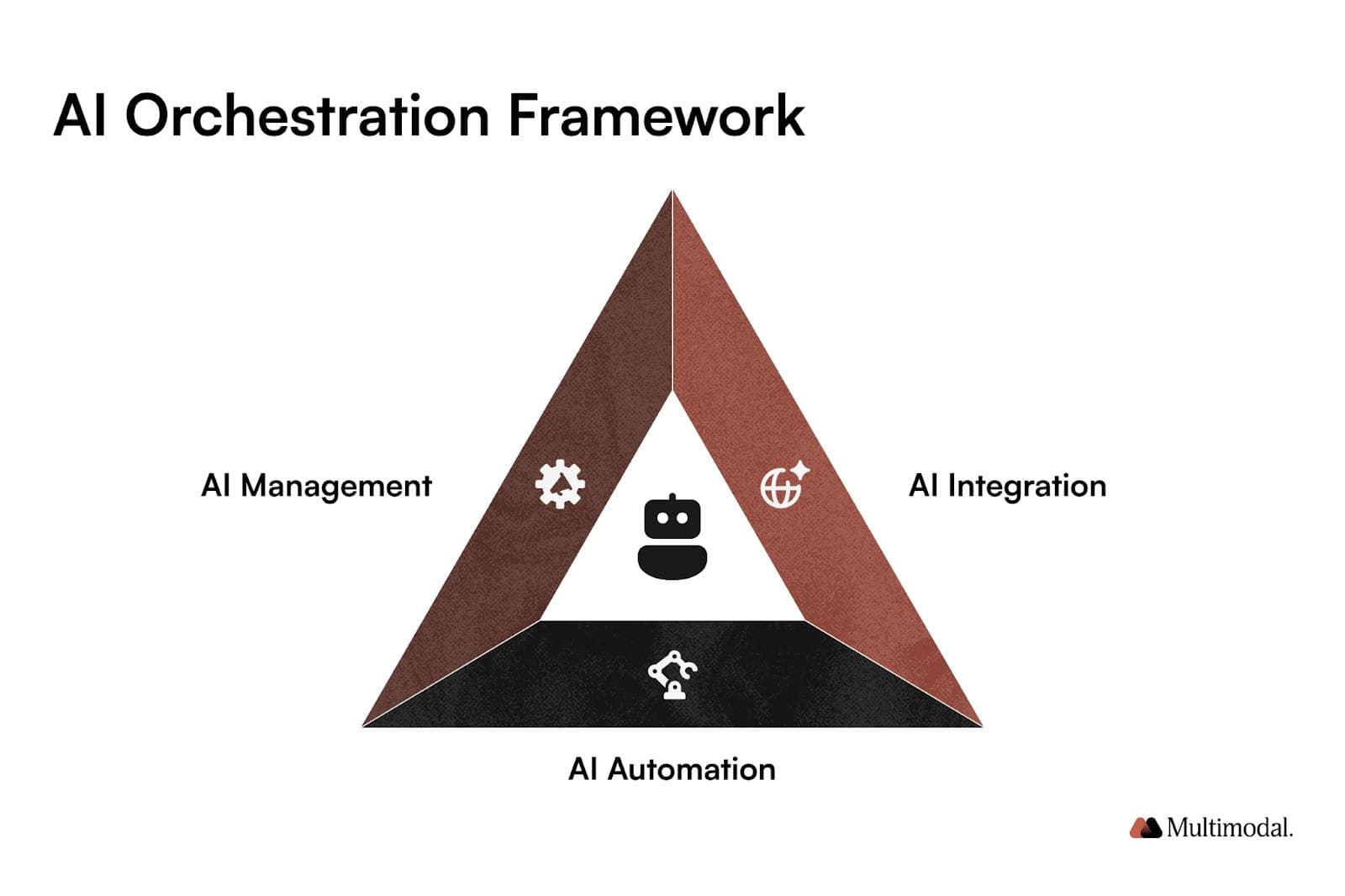
Frederick Taylor's scientific management, developed at the turn of the twentieth century, was a radical idea: that the most efficient way to organise work was to study it scientifically, standardise the best method, and train workers to execute that method consistently. Taylor was right that standardisation improved efficiency, and his ideas shaped enterprise management for decades. But Taylor's model had a fundamental limitation: it assumed that work could be fully specified in advance, that the best method for each task could be identified by management and taught to workers, and that consistent execution of the specified method was the highest value workers could contribute. This assumption was adequate for the physical manufacturing work of the early industrial era. It became progressively less adequate as the knowledge content of enterprise work increased as the most valuable work became problem-solving, judgment, and innovation rather than consistent execution of specified methods. The rise of knowledge work in the mid-twentieth century created a management challenge that Taylor's model could not address: how to manage work whose outputs cannot be fully specified in advance, whose quality depends on individual judgment and expertise, and whose improvement requires experimentation rather than standardisation. Management thinking evolved in response through human relations theory, management by objectives, knowledge management, and agile management but the fundamental challenge of managing knowledge work at scale without sacrificing the benefits of coordination and accountability has never been fully resolved. AI-supported management systems are the next evolutionary response to this challenge: providing the coordination and accountability infrastructure that makes large-scale enterprise management possible while preserving and enabling the human judgment and creativity that create enterprise value.
The Evolutionary Stages of Enterprise Management
Enterprise management has evolved through distinct stages, each driven by a new capability that expanded what was manageable and changed what management required. Scientific management made physical work efficient through standardisation and method specification. Administrative management created the bureaucratic infrastructure reporting hierarchies, functional specialisation, standard operating procedures that made large organisations coordinable. Human relations management recognised the motivational and social dimensions of work that purely mechanistic management ignored. Strategic management connected the operational activities of the enterprise to a deliberate competitive positioning. Knowledge management attempted to capture and leverage the expertise distributed across large organisations. Each stage expanded the scope of what enterprises could do while creating new management challenges that the following stage addressed. AI-supported management is the current evolutionary stage: expanding the management scope to include the real-time coordination, operational intelligence, and decision execution at scale that human management bandwidth cannot cover, while creating new management challenges AI governance, ethical oversight, and the management of human-AI collaboration that will define the next stage of management evolution.The transition from human-led to AI-supported management is not a discrete event it is a continuous evolution that is already underway in the most operationally advanced enterprises. The stages of this evolution are visible across industries: from AI as an analytical tool that informs human decisions, to AI as a decision support system that recommends actions for human approval, to AI as an autonomous execution system that implements decisions within defined parameters, to AI as an enterprise management system that coordinates the full operational fabric of the enterprise with human oversight reserved for strategy and governance. Most enterprises are currently in the first or second stage. The leading enterprises are deploying the third and building toward the fourth.
The Four Management Functions That AI Changes Most Fundamentally
Function 1: Performance monitoring and management
Traditional performance management is a periodic, human-intensive process: data is collected, reports are prepared, managers review reports, performance conversations are conducted, and improvement actions are identified and assigned. This process is slow, incomplete, and dependent on the judgment and attention of individual managers. AI-supported performance management is continuous, comprehensive, and systematic: AI systems monitor performance indicators in real time across every dimension of enterprise operations, automatically identify deviations from targets, analyse the operational drivers of those deviations, and alert the relevant managers with the specific information needed for an effective management conversation. Performance management that was previously a monthly event becomes a continuous process, and the quality of management intervention improves because managers are responding to current data rather than last month's summary.
Function 2: Resource allocation and optimisation
Traditional resource allocation is an annual exercise: budgets are set, headcount is planned, and capital is allocated through a planning process that reflects the priorities and assumptions of a moment in time. As the year progresses and conditions change, resource allocation drifts further from optimal but reallocation requires a management process that is often slower than the pace of operational change. AI-supported resource allocation is dynamic: monitoring the performance of current resource deployments in real time, modelling the expected return of alternative allocations, and recommending or executing reallocations when the evidence supports a change. The enterprise that can reallocate resources dynamically shifting capacity to the highest-return opportunities as they emerge rather than waiting for the next planning cycle has a responsiveness and efficiency advantage over annual-planning competitors that compounds over time.
Function 3: Organisational coordination and communication
Traditional organisational coordination relies on meetings, emails, and reporting structures to maintain alignment across teams and functions. These mechanisms are slow, noisy, and dependent on the active participation of every team member to remain effective. AI-supported coordination maintains organisational alignment through intelligent information routing ensuring that every team member has the context they need for their specific work without requiring them to filter the full information flow of the enterprise and through automated status synchronisation that keeps all relevant parties informed of the current state of shared work without requiring status meetings or written updates. The management overhead of coordination estimated to consume 20 to 30% of management time in large enterprises can be substantially reduced by AI coordination infrastructure that automates the routine communication and status management that currently requires human involvement.
Function 4: Talent development and workforce planning
Traditional workforce planning is a static, top-down exercise: annual headcount plans, skill gap analyses from periodic surveys, and training programmes designed around role categories rather than individual development needs. AI-supported talent management is dynamic and individual: continuously assessing skill deployment and development needs at the individual level, identifying skill gaps before they affect performance, matching development opportunities to individual learning patterns, and modelling workforce capability requirements against evolving strategic needs. The AI-supported HR function can maintain a real-time model of organisational capability what skills exist, where they are deployed, how they are developing, and where gaps are emerging that allows strategic workforce planning to be continuously updated rather than annually revised.
The Management Evolution Readiness Diagnostic
- Have you assessed which management functions in your enterprise are candidates for AI support based on data availability, process structure, and the proportion of time managers spend on routine information gathering and coordination versus genuine judgment and development?
- Do you have a management system architecture that can incorporate AI-supported tools alongside human management practices or are your management systems so human-dependent that AI support requires a fundamental redesign of how management works?
- Have you addressed the authority and accountability implications of AI-supported management specifically, how accountability for decisions influenced by AI recommendations will be allocated between human managers and AI systems?
- Are your managers developing the skills to work effectively in AI-supported management environments specifically, the ability to interpret AI-generated insights, evaluate AI recommendations critically, and maintain effective oversight of AI-executed management functions?
- Have you engaged your management workforce in the evolution from human-led to AI-supported management building the understanding and acceptance required for effective adoption, rather than deploying AI management tools into a resistant or unprepared management culture?
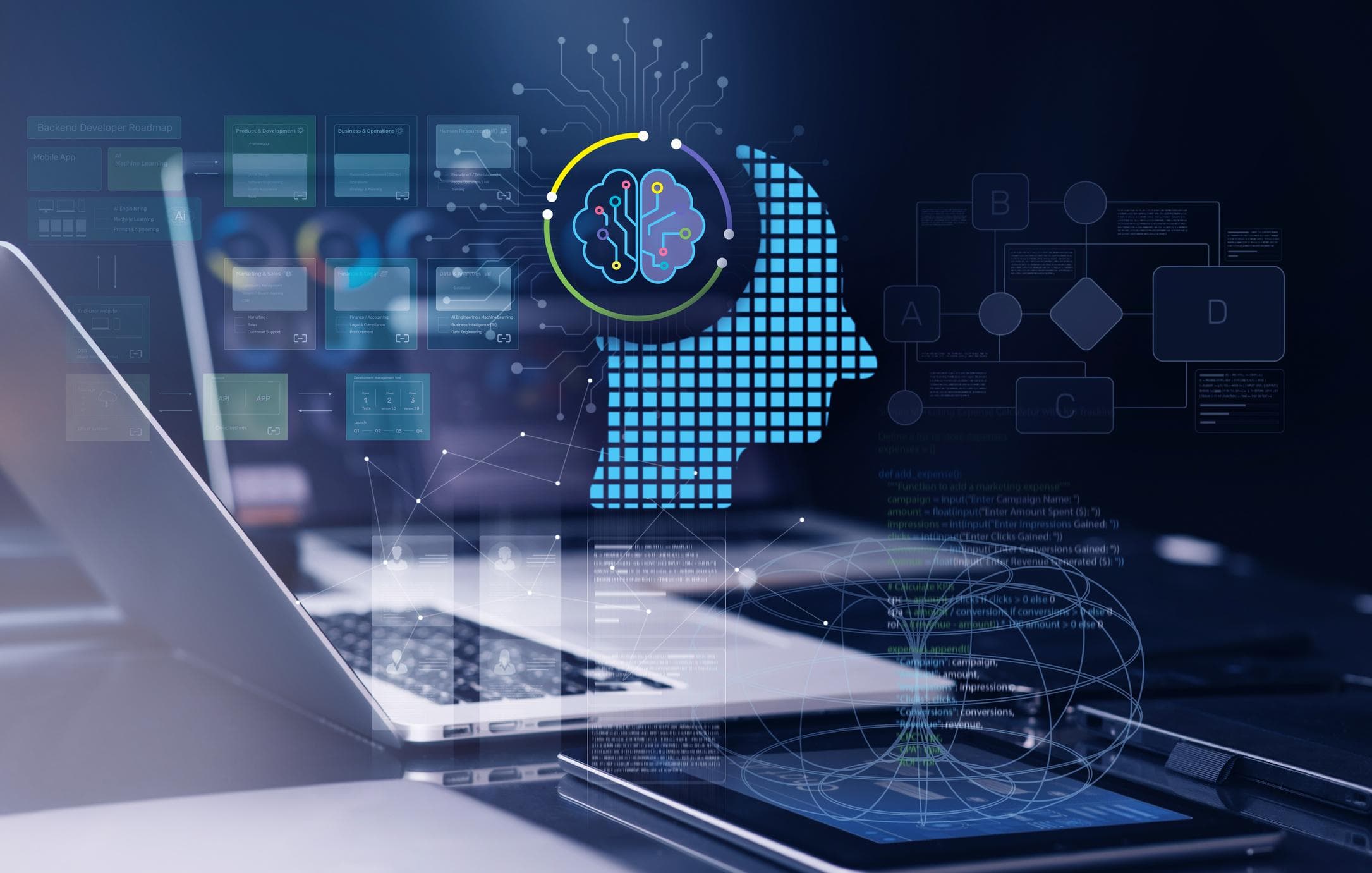
AI Coordination Frameworks for Scalable Enterprise Transformation
Related articles
View all → Autonomous Coordination
The Rise of Autonomous Enterprise Coordination Platforms
Enterprise coordination the alignment of people, processes, information, and resources across organisational boundaries has always been expensive, slow, and error-prone when managed through human intermediaries alone. Autonomous coordination platforms powered by AI are replacing the coordination overhead of large organisations with intelligent systems that synchronise the enterprise continuously and without manual intervention.
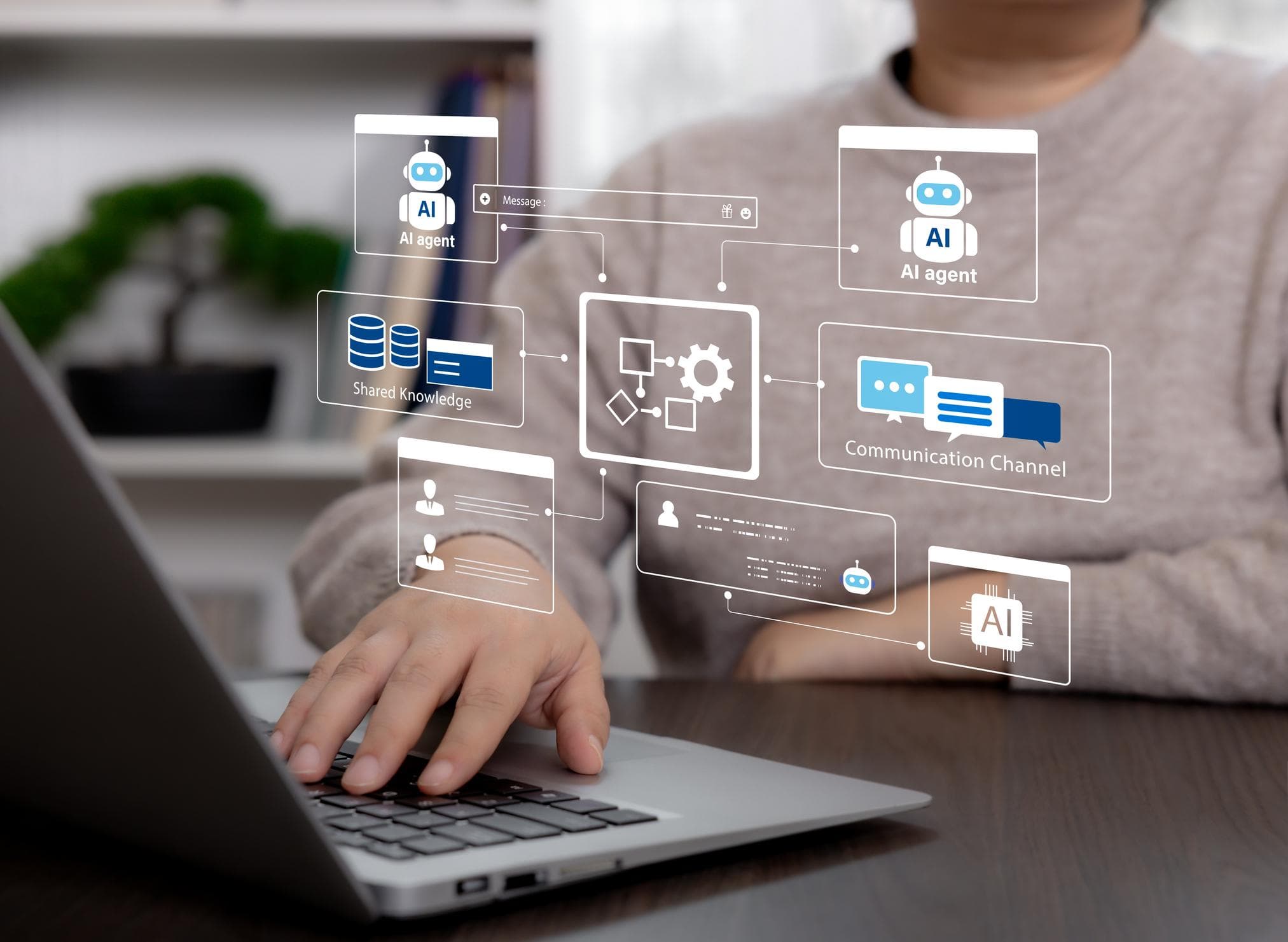 AI Agents
How AI Agents Are Transforming Enterprise Workflow Intelligence
AI agents autonomous systems that perceive their environment, reason about objectives, and take action across enterprise workflows are moving from research concept to operational reality. The enterprises deploying AI agents at scale are discovering that workflow intelligence is not just about automation it is about creating organisational capability that compounds with every cycle.
 AI-Native Infrastructure
Why Global Enterprises Need AI-Native Operational Infrastructure
The operational infrastructure that global enterprises built in the pre-AI era was designed for a different competitive environment. Enterprises that try to layer AI on top of legacy operational infrastructure will capture a fraction of AI's potential. The ones that rebuild their operational foundations as AI-native will gain structural advantages their competitors cannot close.