The Future of Enterprise Decision Intelligence Through AI Coordination
Decision intelligence the systematic improvement of decision quality through better data, better analysis, and better coordination of decision inputs is being transformed by AI. The enterprises that build AI-coordinated decision intelligence are making better decisions faster than their competitors will ever catch up with.
Nirmal Nambiar
Author
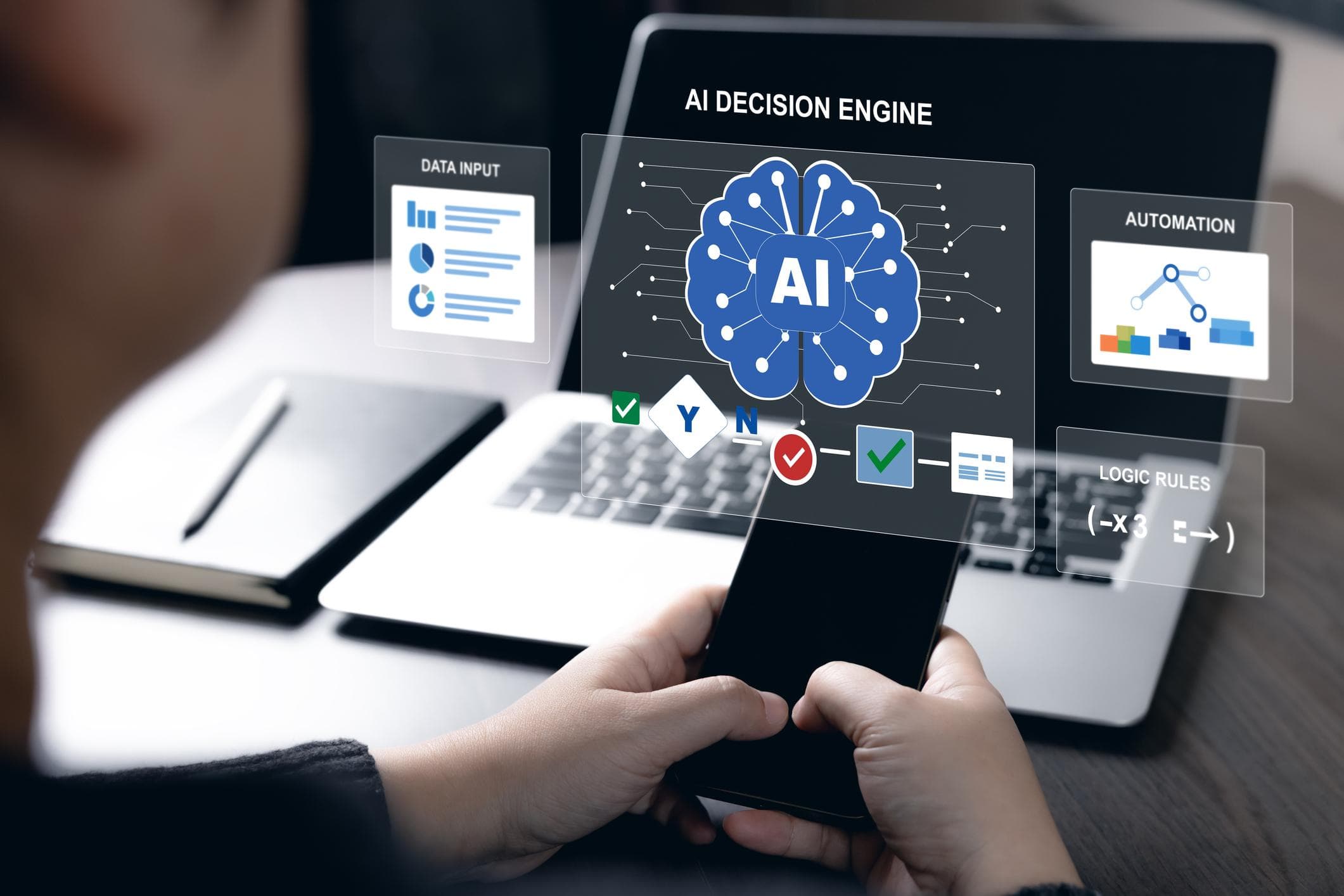
Every enterprise outcome is the consequence of a sequence of decisions. The quality of those decisions made under uncertainty, with incomplete information, within time constraints is the single most important determinant of organisational performance. AI coordination is the capability that addresses the decision quality gap. AI systems that identify all the inputs relevant to a given decision, coordinate their collection and synthesis, ensure that the decision-maker has a complete and current picture of all relevant factors, and manage the downstream implications of the decision once it is made. The result is not just better-informed decisions it is a systematic improvement in the quality of the decision process itself.
The Decision Coordination Problem
The decision coordination problem is the gap between the information that exists in the enterprise and the information that is actually present when a decision is made. This gap is pervasive and expensive. The pricing decision made without access to the real-time competitive pricing intelligence that exists in the market data team's system. The product development prioritisation made without the customer feedback analysis that the customer success team has been conducting. The supplier selection decision made without the financial stability analysis that the procurement team completed last month for a different purpose. In each case, the information existed. It was not coordinated into the decision.AI coordination addresses this problem by maintaining a model of what information is relevant to which types of decisions and automatically aggregating relevant information from across the enterprise when a decision of a given type is being made. The decision-maker who previously relied on their own network and knowledge to identify relevant inputs now has an AI coordination system that ensures all relevant inputs are surfaced including inputs from parts of the organisation they might not have thought to consult and external data sources they might not have known were available.
AI Decision Coordination Architecture
The Decision Input Aggregation Layer
The decision input aggregation layer of AI-coordinated decision intelligence identifies and collects all information relevant to a given decision from across the enterprise's data ecosystem. This requires both a comprehensive map of what data exists where across internal systems, partner data feeds, and external data sources and an AI model of what information is relevant to what decision types. Building these two elements requires investment in data cataloguing, decision taxonomy development, and AI model training that most enterprises have not yet made but that is the foundation of effective AI decision coordination.
The Decision Quality Feedback Loop
The most valuable dimension of AI-coordinated decision intelligence is the feedback loop that connects decision outcomes to decision process quality. AI systems that track the outcomes of decisions, compare them to the outcomes predicted at the time of the decision, identify the information gaps or analytical errors that caused prediction failures, and use this analysis to improve the decision process for future similar decisions create a systematic decision quality improvement mechanism that no periodic review process can replicate. Enterprises that build this feedback loop are making progressively better decisions over time as the AI coordination system learns from every decision outcome.
Decision Intelligence Through AI Coordination Questions
- What are the five highest-impact decision types in your enterprise and what information inputs would materially improve the quality of those decisions if they were reliably available at the point of decision?
- How often do significant enterprise decisions get made without access to information that exists somewhere in the organisation but was not surfaced to the decision-maker at the relevant time?
- Do you have a systematic process for tracking the outcomes of significant decisions and using those outcomes to improve future decision-making or is decision learning ad hoc?
- What is the current coordination overhead for your most complex decision types the time and effort required to gather all relevant inputs before the decision can be made?
- What AI coordination investment would most improve the quality of the decisions that have the greatest impact on your competitive performance and what is the ROI case for that investment?

Related articles
View all → Autonomous Coordination
The Rise of Autonomous Enterprise Coordination Platforms
Enterprise coordination the alignment of people, processes, information, and resources across organisational boundaries has always been expensive, slow, and error-prone when managed through human intermediaries alone. Autonomous coordination platforms powered by AI are replacing the coordination overhead of large organisations with intelligent systems that synchronise the enterprise continuously and without manual intervention.
 AI Agents
How AI Agents Are Transforming Enterprise Workflow Intelligence
AI agents autonomous systems that perceive their environment, reason about objectives, and take action across enterprise workflows are moving from research concept to operational reality. The enterprises deploying AI agents at scale are discovering that workflow intelligence is not just about automation it is about creating organisational capability that compounds with every cycle.
 AI-Native Infrastructure
Why Global Enterprises Need AI-Native Operational Infrastructure
The operational infrastructure that global enterprises built in the pre-AI era was designed for a different competitive environment. Enterprises that try to layer AI on top of legacy operational infrastructure will capture a fraction of AI's potential. The ones that rebuild their operational foundations as AI-native will gain structural advantages their competitors cannot close.