The Future of Enterprise Productivity in the AI Economy
AI is redefining what enterprise productivity looks like not by making people work harder or longer, but by fundamentally changing what people spend their time on and what they are capable of accomplishing. The enterprises that design for this shift will unlock productivity gains that traditional efficiency programmes cannot achieve.
Prince Kumar
Author
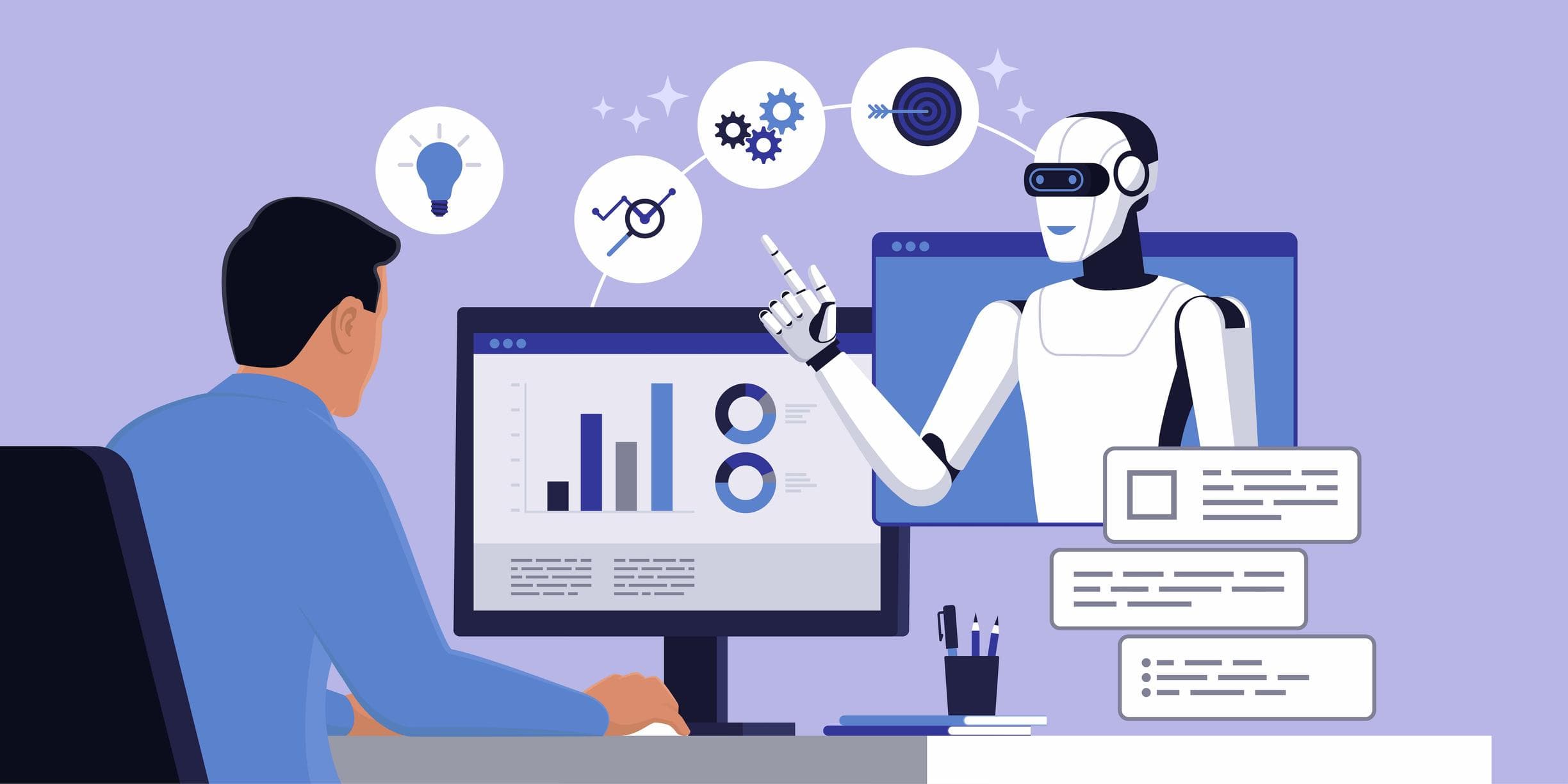
Enterprise productivity improvement programmes have historically followed a predictable pattern: identify inefficient processes, redesign them to reduce waste, implement better tools to support the redesigned processes, and measure the improvement. This approach has delivered real value but it operates within a fundamental constraint: it assumes that the productivity frontier is defined by how efficiently humans can execute the current set of tasks. AI breaks this assumption. When AI systems can handle research, drafting, analysis, routine decision-making, and process execution autonomously or near-autonomously, the productivity frontier is no longer defined by how efficiently humans execute tasks. It is defined by how effectively humans direct AI systems toward the highest-value work and how well the enterprise is designed to combine human judgment with AI capability. The enterprises that understand this shift and design their operating models around it are not achieving marginal productivity improvements. They are achieving step-change productivity gains that compound as AI capabilities improve.
The Productivity Shift: From Task Execution to Task Direction
The most significant productivity shift that AI enables is the transition of knowledge workers from task execution to task direction. A marketing analyst who previously spent 60 percent of their time collecting data, building reports, and preparing presentations now spends that time on the highest-value analytical judgments because AI systems handle the data collection, report generation, and presentation preparation autonomously. A legal professional who previously spent hours reviewing standard contracts for compliance issues now reviews the AI system's analysis and focuses human attention on the novel legal questions that require genuine expertise.This is not a marginal efficiency improvement. It is a fundamental change in the nature of knowledge work and the enterprises that redesign their roles and processes around this shift are achieving productivity multipliers, not percentage improvements. The knowledge worker who was previously limited by how fast they could manually execute tasks is now limited only by the quality of their judgment and the clarity of their direction capabilities that scale very differently from manual task execution speed.
Designing for AI-Augmented Productivity
Role Redesign: Where Humans Add the Most Value
The enterprise that achieves the greatest AI productivity gains is not the one that deploys the most AI tools. It is the one that most thoughtfully redesigns roles around the question of where human capability creates the most value when AI handles the rest. The roles that benefit most from AI augmentation are those where judgment, creativity, relationship management, and strategic thinking are the highest-value activities but where a significant portion of current time is consumed by research, analysis, drafting, data processing, and coordination that AI can handle. Identifying these roles, redesigning them explicitly to redirect freed capacity toward highest-value activities, and building the skills required for effective AI collaboration is the organisational design work that converts AI deployment into productivity gain.
The Measurement Challenge
Traditional productivity measurement tasks completed per hour, calls handled per day, reports produced per week does not capture the value of AI-augmented knowledge work. When AI handles the routine task execution and humans focus on judgment and direction, the relevant productivity metric is not task volume. It is outcome quality: the quality of the decisions made, the value of the insights generated, the effectiveness of the strategies developed. Enterprises transitioning to AI-augmented productivity models need measurement frameworks that capture this output quality dimension otherwise they risk measuring the wrong things and missing the actual productivity gains AI is enabling.
AI Productivity Readiness Questions
- In your highest-value knowledge work roles, what percentage of current time is spent on task execution that AI tools could handle versus judgment, creativity, and relationship work that requires human capability?
- Have you explicitly redesigned any roles in your organisation to account for AI augmentation defining what the role does differently when AI handles routine tasks?
- What AI productivity tools are currently deployed in your organisation, and do you have data on how they are actually being used versus how they were intended to be used?
- How do you currently measure the productivity of knowledge workers and does your measurement framework capture outcome quality or only task volume?
- What capability investment are you making in AI collaboration skills the ability to direct, evaluate, and improve the output of AI systems for your knowledge worker population?
Related articles
View all → Autonomous Coordination
The Rise of Autonomous Enterprise Coordination Platforms
Enterprise coordination the alignment of people, processes, information, and resources across organisational boundaries has always been expensive, slow, and error-prone when managed through human intermediaries alone. Autonomous coordination platforms powered by AI are replacing the coordination overhead of large organisations with intelligent systems that synchronise the enterprise continuously and without manual intervention.
 AI Agents
How AI Agents Are Transforming Enterprise Workflow Intelligence
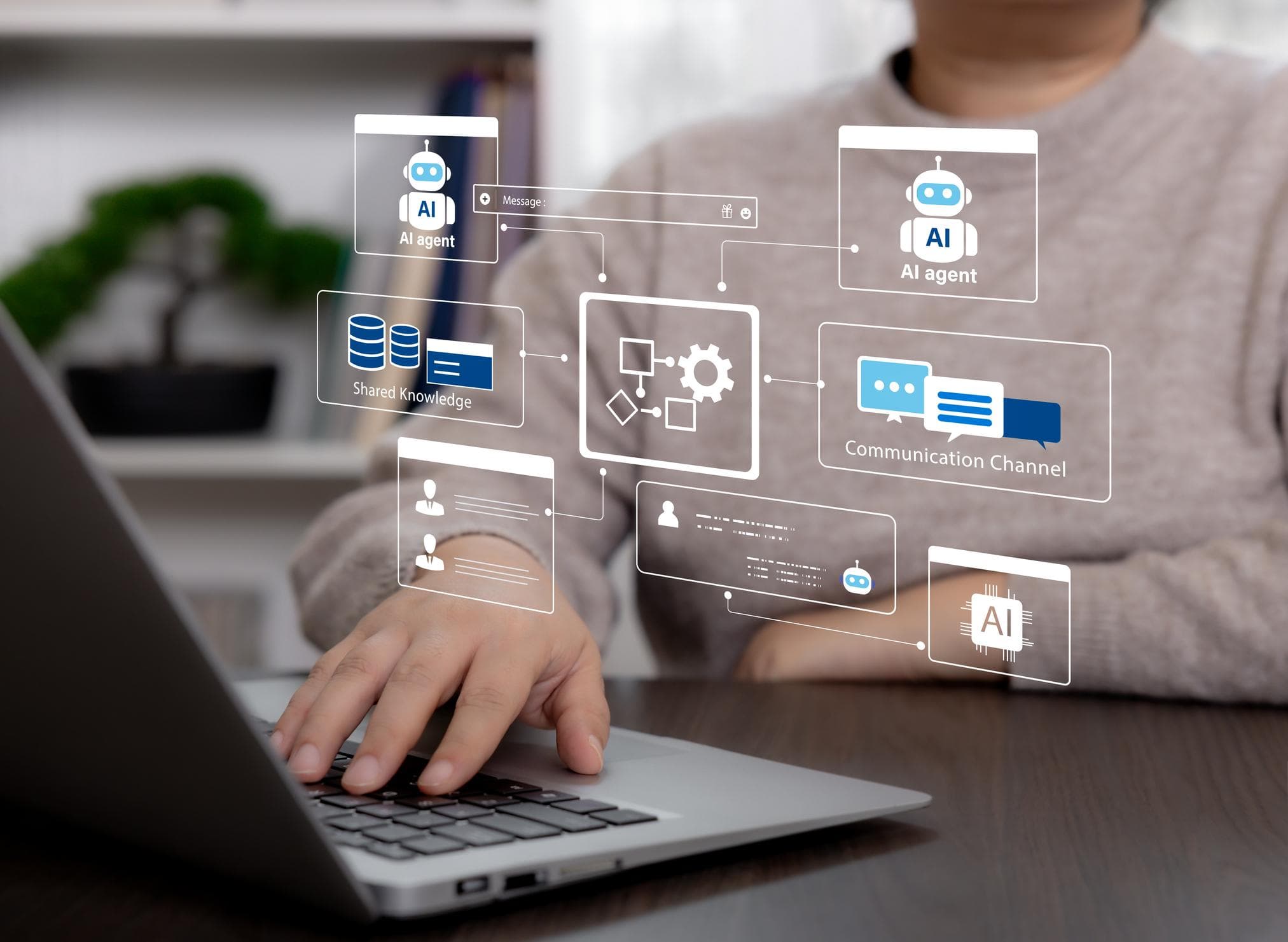
AI agents autonomous systems that perceive their environment, reason about objectives, and take action across enterprise workflows are moving from research concept to operational reality. The enterprises deploying AI agents at scale are discovering that workflow intelligence is not just about automation it is about creating organisational capability that compounds with every cycle.
 AI-Native Infrastructure
Why Global Enterprises Need AI-Native Operational Infrastructure
The operational infrastructure that global enterprises built in the pre-AI era was designed for a different competitive environment. Enterprises that try to layer AI on top of legacy operational infrastructure will capture a fraction of AI's potential. The ones that rebuild their operational foundations as AI-native will gain structural advantages their competitors cannot close.