The Future of Enterprise Transformation Through Autonomous Execution Intelligence
Autonomous execution intelligence AI systems that not only plan enterprise transformation initiatives but execute them with minimal human oversight is redefining what enterprise transformation is capable of achieving, and how fast it can deliver results.
Manthan Sharma
Author
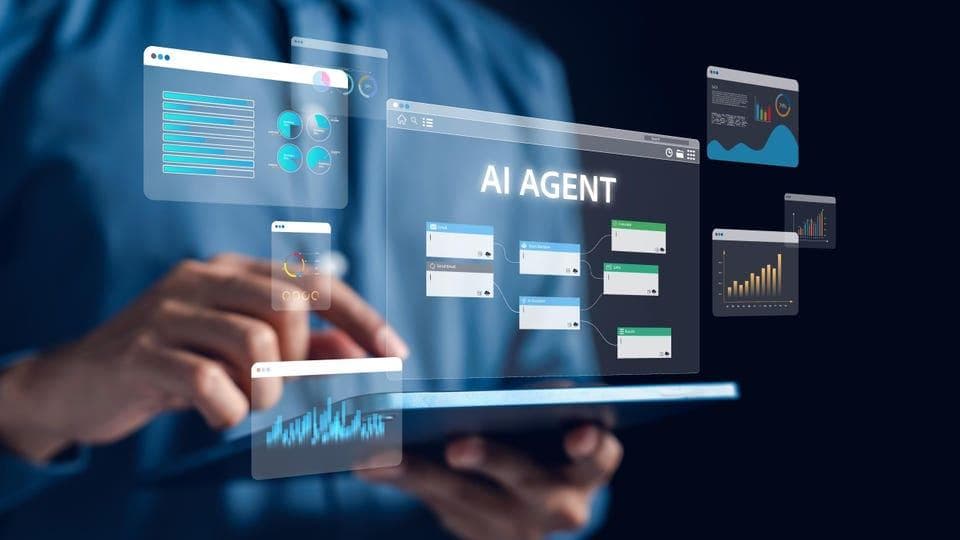
Enterprise transformation has historically been one of the most difficult and failure-prone activities in business management. McKinsey research has consistently found that 70 percent of large-scale enterprise transformation programmes fail to achieve their objectives a failure rate that has remained stubbornly high despite decades of refinement in transformation methodology. The reasons for this failure rate are well understood: transformation programmes are complex, long-duration, involve significant organisational change, and require sustained execution discipline across hundreds of interdependent workstreams. The human coordination capacity required to maintain that discipline at scale is the primary constraint on transformation success. Autonomous execution intelligence addresses this constraint directly. AI systems that monitor transformation programme execution continuously, identify workstreams at risk of deviation before they fall behind, coordinate cross-functional dependencies without manual intervention, and generate real-time recommendations for programme leadership reducing the coordination burden that is the primary driver of transformation failure.
Why Transformation Programmes Fail and How AI Changes the Equation
The root cause of most enterprise transformation failures is not strategic it is executional. The strategy is sound, the business case is compelling, and the leadership commitment is genuine. What fails is the sustained execution discipline required to drive hundreds of interdependent workstreams to completion while managing the inevitable surprises, resistances, and resource conflicts that large-scale change produces. Human programme management capacity the PMO, the steering committee, the workstream leads is routinely overwhelmed by the coordination complexity of large transformation programmes, particularly in the middle phases when early momentum has faded and final completion is not yet visible.Autonomous execution intelligence changes this equation by extending the effective reach of the programme management function without proportional increases in human programme management headcount. AI systems that track progress across every workstream simultaneously, identify dependencies that are at risk of creating bottlenecks, flag resource conflicts before they delay critical path activities, and generate daily programme health assessments for leadership review provide a level of programme visibility and early warning capability that human PMO teams cannot match at scale.
Autonomous Execution Intelligence in Practice
Real-Time Programme Health Monitoring
The most immediate application of autonomous execution intelligence in enterprise transformation is real-time programme health monitoring a continuous assessment of transformation programme status that identifies risks and deviations as they emerge rather than in the periodic programme reviews where they are typically first surfaced. AI systems that integrate data from project management tools, financial systems, HR systems, and stakeholder feedback channels can produce a programme health assessment that is more comprehensive, more current, and more actionable than the status reports that human programme teams compile manually for weekly steering committee reviews. The difference between identifying a workstream at risk three weeks before it becomes a critical path issue versus identifying it in a steering committee review after it has already created a delay is the difference between a managed transformation and a reactive one.
Autonomous Dependency Management
Cross-workstream dependency management is one of the highest-complexity and highest-failure-risk dimensions of large-scale enterprise transformation. When workstream A is late and workstream B depends on its output, the cascade of delays can propagate across the programme before the programme management team is aware of the original delay. Autonomous execution intelligence systems that map all programme dependencies, monitor the status of each workstream in real time, and automatically identify and surface dependency risks when early delay signals appear allow programme leadership to intervene at the earliest possible point before cascade effects have amplified the impact of the original delay.
Autonomous Execution Intelligence Deployment Questions
- What were the primary execution failure points in your last major enterprise transformation programme and would real-time programme health monitoring have identified those risks earlier?
- What is your current programme management capability relative to the complexity of the transformation you are managing and is autonomous execution intelligence a viable way to extend that capability?
- Do you have the data infrastructure required to support autonomous execution intelligence specifically, are your project management, financial, and HR systems integrated enough to provide a real-time programme data feed?
- What is the cost to your organisation of a major transformation programme failing to achieve its objectives in terms of investment written off, opportunity cost, and organisational disruption?
- How would you define success for an autonomous execution intelligence deployment in your transformation programme and what metrics would you use to evaluate its impact?
Why Consulting Firms Must Build AI Execution Strategies for Fortune 500 Clients
Related articles
View all → Autonomous Coordination
The Rise of Autonomous Enterprise Coordination Platforms
Enterprise coordination the alignment of people, processes, information, and resources across organisational boundaries has always been expensive, slow, and error-prone when managed through human intermediaries alone. Autonomous coordination platforms powered by AI are replacing the coordination overhead of large organisations with intelligent systems that synchronise the enterprise continuously and without manual intervention.
 AI Agents
How AI Agents Are Transforming Enterprise Workflow Intelligence
AI agents autonomous systems that perceive their environment, reason about objectives, and take action across enterprise workflows are moving from research concept to operational reality. The enterprises deploying AI agents at scale are discovering that workflow intelligence is not just about automation it is about creating organisational capability that compounds with every cycle.
 AI-Native Infrastructure
Why Global Enterprises Need AI-Native Operational Infrastructure
The operational infrastructure that global enterprises built in the pre-AI era was designed for a different competitive environment. Enterprises that try to layer AI on top of legacy operational infrastructure will capture a fraction of AI's potential. The ones that rebuild their operational foundations as AI-native will gain structural advantages their competitors cannot close.