The Future of Fulfillment: Invisible, Instant, Intelligent
The best fulfilment experience is the one the consumer never has to think about: the product arrives before the consumer has time to wonder where it is, the return is processed before the consumer has finished writing the request, and the entire logistics operation is invisible because it works perfectly every time. This is not the current state of Indian e-commerce fulfilment but it is the direction the infrastructure is moving, and the brands that understand the trajectory will be ready for it.
Prince Kumar
Author
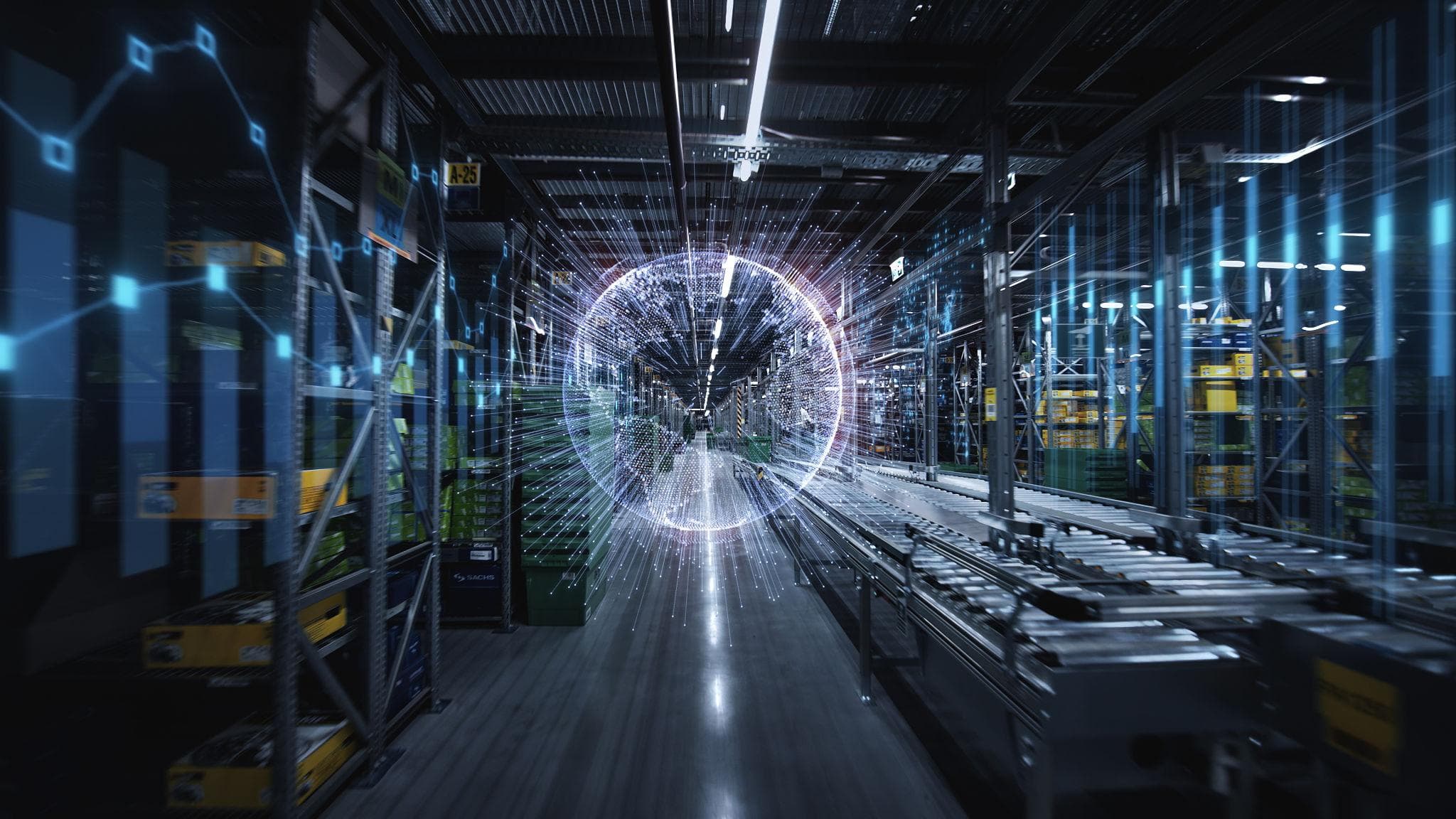
The consumer placed an order at 11:47 AM. The order was received by the warehouse management system at 11:47 AM and 14 seconds. An AI-powered slotting algorithm identified the optimal pick path for the three items in the order within 200 milliseconds and assigned the order to the next available picker. The items were picked in six minutes and forty seconds, quality-checked by an automated camera system in ninety seconds, packed in a pre-sized box selected by the packaging optimisation algorithm, labelled with a waybill generated and printed in real time, and handed to the dispatch area at 12:17 PM. A dark store three kilometres from the consumer's delivery address received the order at 12:31 PM and dispatched it on a two-wheel carrier at 12:33 PM. The consumer received a delivery notification at 12:47 PM and the package at 12:49 PM. Sixty-two minutes from order to delivery. No human decision was made after the consumer clicked 'Buy.' The fulfilment was invisible. The consumer's experience was: it arrived.
The Three Dimensions of Future Fulfilment
The future of D2C fulfilment is converging toward three simultaneous characteristics. Invisible means the fulfilment process generates no consumer friction no tracking anxiety, no delivery uncertainty, no returns complexity because it works reliably enough that the consumer has no reason to engage with the fulfilment process directly. The invisible fulfilment standard is set by the consumer's best experience across any category not by the current average of the brand's category. If the consumer's grocery delivery was invisible this morning, their supplement delivery will be evaluated against the same standard.Instant means the time from order placement to delivery is sufficiently short that the consumer's purchase decision is not influenced by the delivery timeline they buy when they want the product, not when the delivery timeline makes it convenient. Quick commerce has established the instant fulfilment expectation for replenishment and impulse purchases. Same-day and next-day fulfilment is becoming the expectation for planned e-commerce purchases. The fulfilment infrastructure that cannot meet these timelines is competing with a structural disadvantage that marketing excellence cannot overcome. Intelligent means the fulfilment system makes autonomous decisions inventory allocation, carrier selection, packaging optimisation, exception escalation that previously required human judgment, executing them faster and more consistently than human decision-making at scale.
The Infrastructure That Makes It Possible
The infrastructure enabling invisible, instant, intelligent fulfilment is not a single technology it is the combination of hyperlocal inventory positioning, AI-powered warehouse operations, real-time carrier intelligence, and autonomous exception management. Hyperlocal inventory positioning the distribution of inventory across a network of dark stores, microfulfilment centres, and forward-stocking locations that puts product within one-to-two-hour delivery range of the majority of the target consumer base is the physical prerequisite for instant fulfilment. Without inventory physically close to the consumer, delivery speed is constrained by the last-mile distance regardless of how fast the warehouse operations are.AI-powered warehouse operations automated pick path optimisation, computer vision quality control, packaging selection algorithms, and predictive labour scheduling reduce the per-order handling time and per-order error rate that determine the scalability of fulfilment operations without proportionate headcount growth. The brands that are investing in warehouse automation and AI-powered operations tools now are building the scalability headroom that will allow them to handle 3x to 5x current order volumes without the proportionate operational capacity investment that traditional warehouse scaling requires.
What Brands Should Build Now
The investment in invisible, instant, intelligent fulfilment does not require a brand to build its own logistics infrastructure from scratch. It requires a specific approach to how the brand selects, configures, and operates its logistics partnerships. The first investment is in dark store or microfulfilment presence in the brand's highest-demand geographies either through the quick commerce platforms that already operate dark store networks, or through 3PL partners that offer forward-stocking services for brand inventory.The second investment is in fulfilment performance monitoring infrastructure the real-time tracking and alerting systems that make fulfilment performance visible before consumers experience failures, enabling proactive exception management rather than reactive complaint handling. The third investment is in 3PL partner selection criteria that weight operational technology capability alongside cost: the logistics partner whose warehouse management system enables AI-powered pick path optimisation and whose carrier management platform supports real-time carrier performance monitoring and dynamic carrier selection is more valuable to a brand pursuing invisible fulfilment than a partner whose lower cost reflects an older operational infrastructure. The trajectory of fulfilment is clear. The brands that invest in building toward it now will be the ones for whom fulfilment is an invisible competitive advantage rather than a visible operational liability.

Related articles
View all →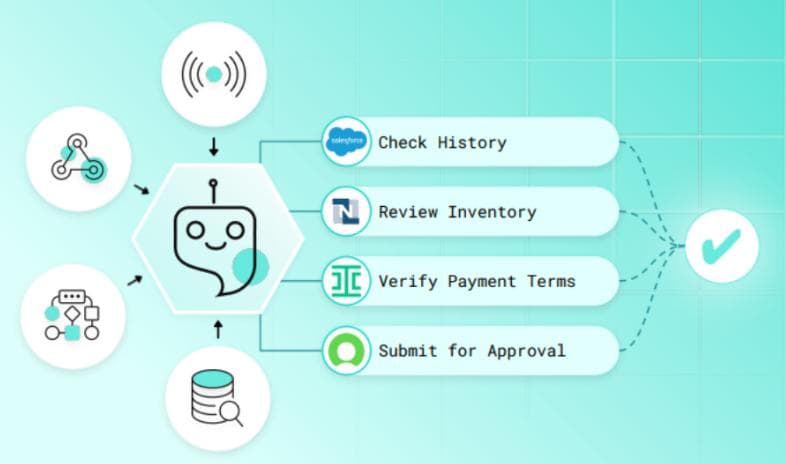 AI Execution
Why AI Execution Systems Will Define the Future of Enterprise Operations
The next frontier of enterprise competitive advantage is not strategy it is execution. AI execution systems that translate strategic intent into coordinated operational action, faster and more reliably than any human-managed process, are becoming the defining infrastructure of enterprise performance in every sector.
 AI Agents
How AI Agents Can Streamline Complex Enterprise Operations at Scale
The complexity of large-scale enterprise operations has always created a ceiling on how much any organisation can manage effectively. AI agents are raising that ceiling handling the coordination, monitoring, and execution tasks that previously limited operational scale.
 Control Systems
AI-Driven Enterprise Control Systems for Real-Time Operational Alignment
Keeping a large enterprise operationally aligned ensuring that all functions are working from the same information, toward the same objectives, at the same pace has always been one of the most difficult management challenges. AI-driven control systems are solving it.