The New Manufacturing Advantage: Smaller, Faster, More Flexible
The manufacturing model that served FMCG brands for decades large minimum order quantities, long production runs, six-to-twelve-month lead times for new product development is being disrupted by a new generation of agile contract manufacturers and flexible production infrastructure that allows brands to launch faster, iterate more frequently, and manage inventory risk more precisely.
Aditya Sharma
Author
The brand had an idea for a new supplement formulation in March. The traditional contract manufacturing route would have required finalising the formulation with the CMO (four to six weeks), initiating the regulatory process for new ingredients (eight to twelve weeks), tooling and procuring the packaging (six to eight weeks), running a production trial (two weeks), and placing the minimum order quantity of 10,000 units (the CMO's minimum for a new SKU) at a working capital cost of ₹8.4 lakh all before knowing whether the product would sell. Under this model, the new formulation would reach the consumer in Q4 at earliest, at substantial financial risk if the product did not find market acceptance quickly enough to justify the inventory position. The brand instead worked with a flexible contract manufacturer who had a library of pre-approved base formulations, maintained a regulatory filing for the relevant ingredient category, accepted a minimum order of 2,000 units, and could produce a pilot batch in three weeks. The new product was in the consumer's hands in six weeks, at a working capital risk of ₹1.7 lakh. It sold out. The second production run was 8,000 units. The manufacturing model had changed the risk economics of innovation completely.
Why the Traditional Manufacturing Model Penalises Innovation
The traditional FMCG contract manufacturing model was designed for brands with established, predictable demand for a stable product portfolio and it is excellent for that use case. Large minimum order quantities reduce per-unit cost by spreading fixed production costs across more units. Long production runs reduce changeover waste and improve equipment utilisation. Standardised formulations and processes reduce quality variance and regulatory complexity. For a brand producing 50,000 units of a validated, market-proven product per month, these are genuine operational efficiencies.For a brand trying to test a new formulation, launch a product in a new category, or iterate quickly on a product that has received mixed consumer feedback, the traditional manufacturing model creates structural barriers to innovation. The large minimum order quantity forces a financial commitment before market validation the brand must bet ₹8 to ₹15 lakh on a new product before it has evidence that consumers want it. The long lead time means that consumer feedback from the initial launch cannot be incorporated into the second production run for four to six months. The inflexibility of the formulation and packaging once the production run has started means that the product the brand committed to in March is the product the consumer receives in September, even if market feedback in June suggested a modification would significantly improve performance.
The Agile Manufacturing Model: What Has Changed
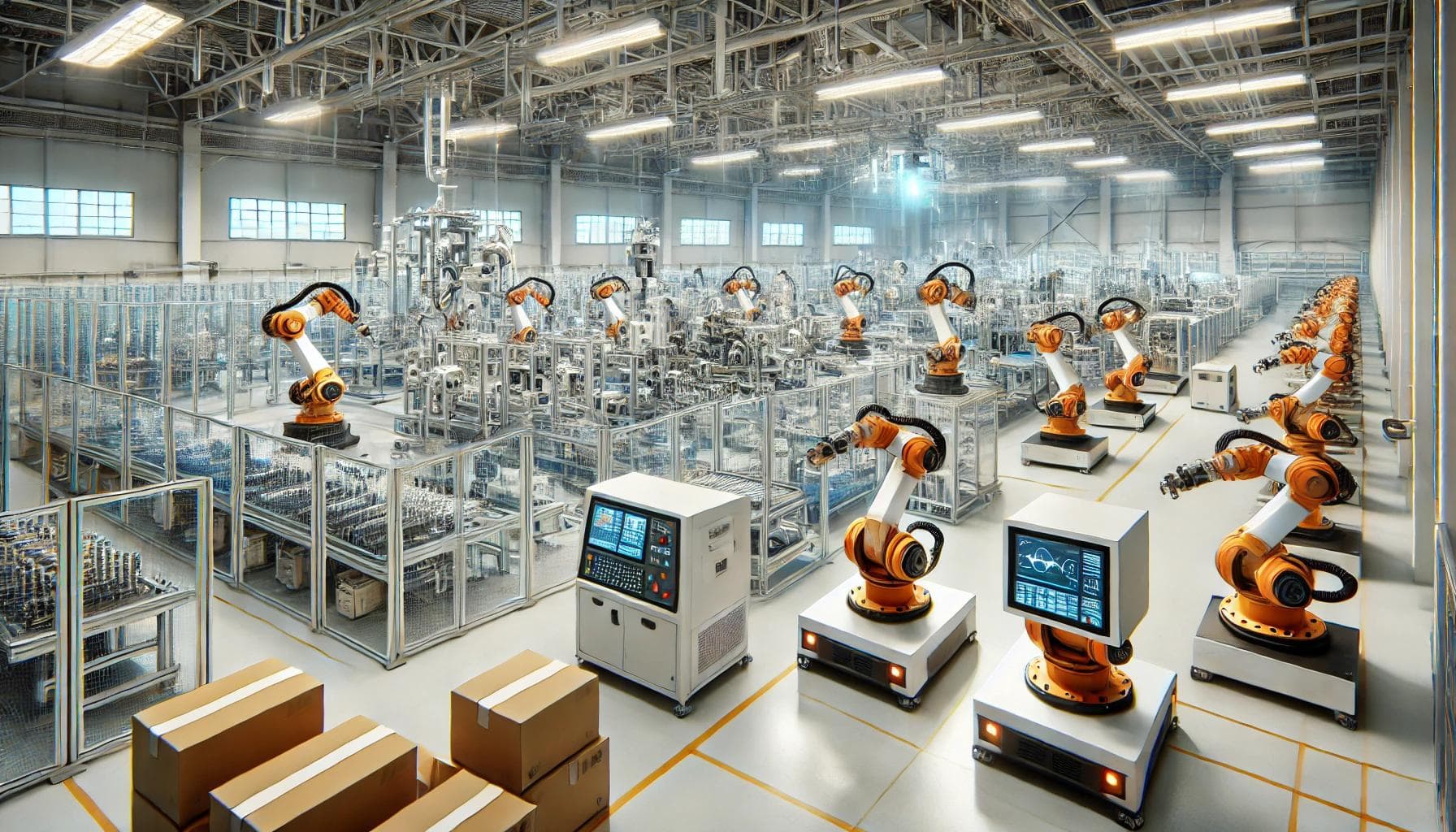
A new generation of contract manufacturers particularly in the supplements, personal care, and specialty food categories has built production infrastructure specifically designed for the agile manufacturing model that D2C brands need. The defining characteristics of agile contract manufacturers are: lower minimum order quantities (typically 500 to 3,000 units rather than 10,000 to 50,000), faster production lead times (two to six weeks from order confirmation to finished goods delivery rather than eight to sixteen weeks), modular formulation libraries (pre-approved, pre-tested base formulations that can be customised with active ingredient additions rather than requiring full formulation development and regulatory filing for each new product), and flexible packaging options (a range of pre-approved packaging formats with digital printing that allows small-run customisation without large tooling investments).These capabilities change the risk economics of product innovation fundamentally. A brand that can test a new formulation with a 2,000-unit pilot batch at ₹1.5 to ₹2 lakh working capital risk can run three to five product tests per year learning from consumer feedback and iterating rapidly at a total innovation investment that is lower than the working capital cost of a single minimum order from a traditional CMO. The brand that can produce 2,000 units in four weeks can respond to viral demand with a production run before the demand peak has passed.
Building the Agile Manufacturing Advantage
Building an agile manufacturing advantage requires investing in the supplier relationships and operational processes that make flexible production practically achievable rather than theoretically possible. The first investment is in a curated CMO portfolio: identifying two to three contract manufacturers with genuine agile capabilities in the brand's product categories, building the relationship depth that gives the brand priority access to production slots during peak demand periods, and maintaining active production relationships rather than dormant supplier registrations.The second investment is in regulatory preparation: pre-filing the relevant ingredient and formulation categories with the regulatory authorities (FSSAI for food and supplements, CDSCO for cosmetics and personal care) so that new product launches within those categories can proceed without waiting for fresh regulatory approval. Regulatory preparation is the element of the new product launch timeline that the agile CMO cannot compress but that the brand can compress by doing the preparation work in advance of the specific product decision. The third investment is in packaging pre-investment: maintaining an inventory of generic packaging formats unprinted bottles, bags, or boxes that can be customised with digital printing for small runs, eliminating the packaging procurement lead time that often extends the new product launch timeline even when the manufacturing lead time has been compressed.

Related articles
View all → Growth
The Future of Enterprise Growth Through AI Innovation
AI is not just improving the efficiency of existing growth strategies it is enabling entirely new growth models. The enterprises that understand how to use AI as a growth driver, not just a cost reducer, are accessing markets, customer segments, and revenue streams that were previously out of reach.
 Excellence
How AI Is Creating the Next Generation of Enterprise Excellence
Enterprise excellence consistently delivering superior outcomes for customers, employees, and shareholders is being redefined by AI. The standards of what excellent looks like are rising, and the enterprises setting the new benchmarks are the ones that have most fully integrated AI into how they operate.
 AI
AIThe Future of AI-Powered Digital Marketplaces
Digital marketplaces are evolving from transactional platforms into intelligent commerce ecosystems. AI is reshaping how buyers discover products, how sellers manage operations, and how platforms create value for everyone in the ecosystem and the pace of this transformation is accelerating.