The Rise of Smart Enterprise Coordination Technologies
Coordination aligning people, information, and resources toward shared objectives is one of the highest-cost and highest-friction activities in any large enterprise. Smart coordination technologies are reducing this friction dramatically, and the enterprises adopting them earliest are building significant operational advantages.
Manroze
Author
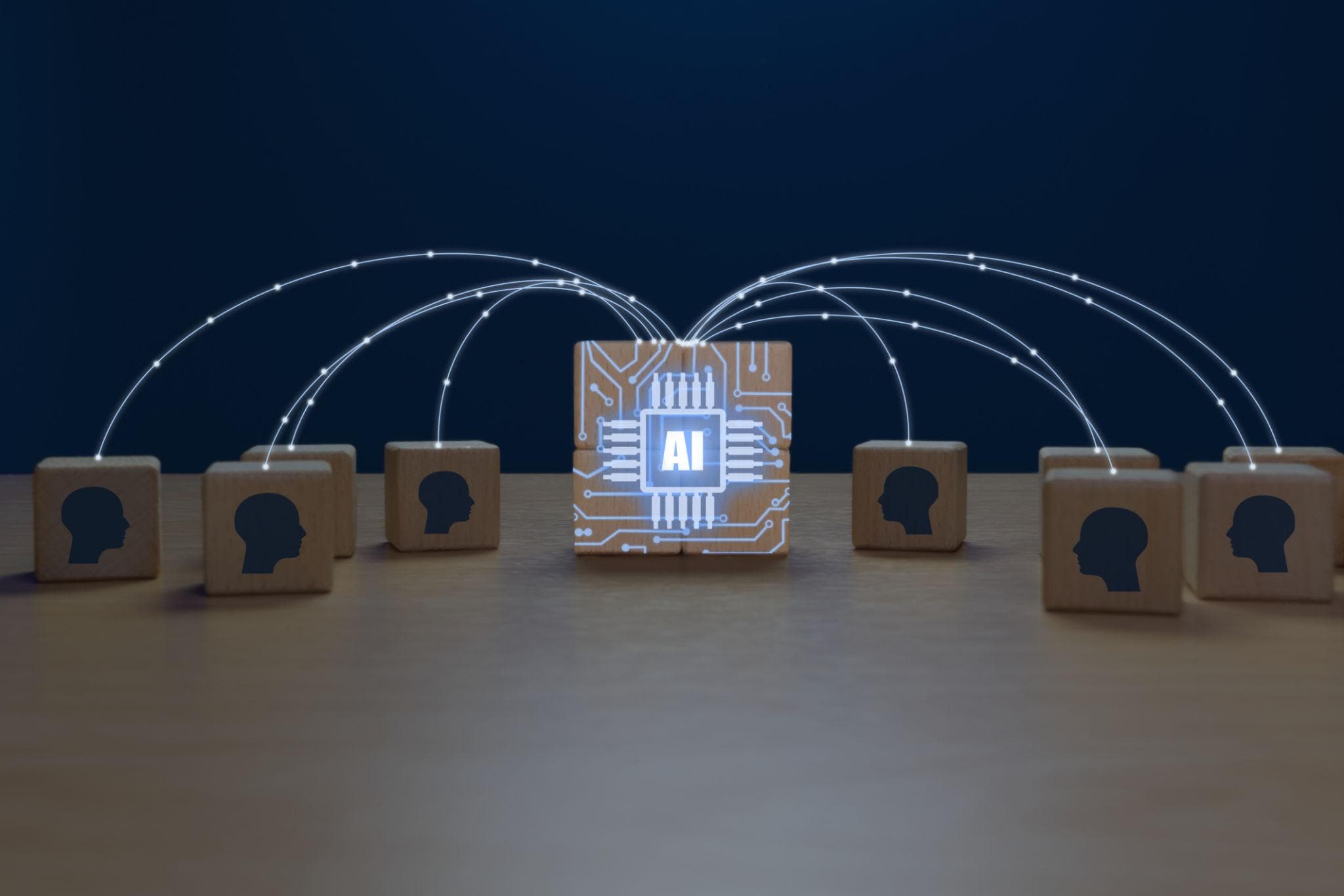
The cost of coordination in large enterprises is staggering and mostly invisible. It shows up as meeting time that consumes 30 to 40 percent of senior knowledge worker capacity. As email threads that extend for weeks to align stakeholders on decisions that should take hours. As project delays caused by information handoffs that fail silently, leaving downstream teams working on outdated assumptions. As duplicated work by teams that were not aware of overlapping efforts. As strategic misalignment between functions that share goals but not information. Coordination cost is not a management failure. It is an inherent property of organising large numbers of people around complex work and it scales super-linearly with organisational size. Smart coordination technologies AI-powered tools that reduce the human effort required to align people, information, and resources are the most direct lever available to reduce this cost. And the enterprises that are deploying them systematically are not just running more efficient meetings. They are fundamentally changing the relationship between organisational size and operational effectiveness.
The Coordination Cost Problem and Its Scale
Research consistently finds that knowledge workers in large enterprises spend 40 to 60 percent of their time on coordination activities meetings, email management, status reporting, stakeholder alignment, and information search. Of this coordination time, a significant portion is waste: meetings where the decision could have been made asynchronously, email threads seeking information that should be automatically accessible, status reports manually compiled from data that could be automatically aggregated. The total coordination cost for a 500-person knowledge-work organisation, at an average fully-loaded cost of ₹15 lakh per person per year, is approximately ₹375 crore annually of which 20 to 30 percent is potentially eliminable waste that smart coordination technologies can address.The opportunity is not primarily in reducing headcount it is in redirecting the capacity freed by coordination efficiency improvement toward higher-value work. The senior leader who spends 15 fewer hours per week in coordination activities and redirects that capacity toward strategic thinking, customer engagement, and team development is not just more productive they are qualitatively different in the value they create for the organisation.
Smart Coordination Technology Categories
AI-Powered Meeting and Decision Management
The first category of smart coordination technology addresses the meeting and decision layer the synchronous coordination activities that consume the most senior talent time. AI meeting management tools that prepare agendas based on outstanding decision items, capture and distribute decisions and action items automatically, track action item completion without manual follow-up, and surface outstanding decisions that are blocking progress reduce the human overhead of meeting-driven coordination dramatically. Decision management platforms that route decisions to the right people with the relevant context, track the decision through to completion, and document the rationale for future reference eliminate the coordination overhead of getting the right stakeholders to the right decision at the right time.
Intelligent Information Routing and Discovery
The second category addresses the information layer ensuring that people have access to the information they need without having to search for it or request it from colleagues. AI-powered knowledge management systems that understand the information needs of different roles and proactively surface relevant documents, decisions, and data reduce the time people spend searching for information from an average of 20 percent of knowledge worker time to under 5 percent in well-implemented deployments. Intelligent notification systems that route information to the right people based on role, responsibility, and current task context rather than broadcasting to everyone and expecting individuals to filter reduce information overload while improving the probability that critical information reaches the people who need it.
Smart Coordination Technology Assessment Questions
- What percentage of your senior leadership team's time is currently consumed by coordination activities meetings, email management, status reporting versus strategic and creative work?
- How many of the decisions made in meetings in your organisation last week could have been made asynchronously with better information routing and decision management tools?
- What is your current process for ensuring that decisions made in one part of the organisation are communicated to all stakeholders who need to act on them and how often does this process fail?
- How much time do people in your organisation spend searching for information that exists somewhere in your systems but is not easily accessible to the person who needs it?
- What coordination-related frustrations do your highest-performing people cite most frequently and do smart coordination technologies exist that would address those frustrations?

How AI Is Creating the Next Generation of Enterprise Excellence
Related articles
View all → Autonomous Coordination
The Rise of Autonomous Enterprise Coordination Platforms
Enterprise coordination the alignment of people, processes, information, and resources across organisational boundaries has always been expensive, slow, and error-prone when managed through human intermediaries alone. Autonomous coordination platforms powered by AI are replacing the coordination overhead of large organisations with intelligent systems that synchronise the enterprise continuously and without manual intervention.
 AI Agents
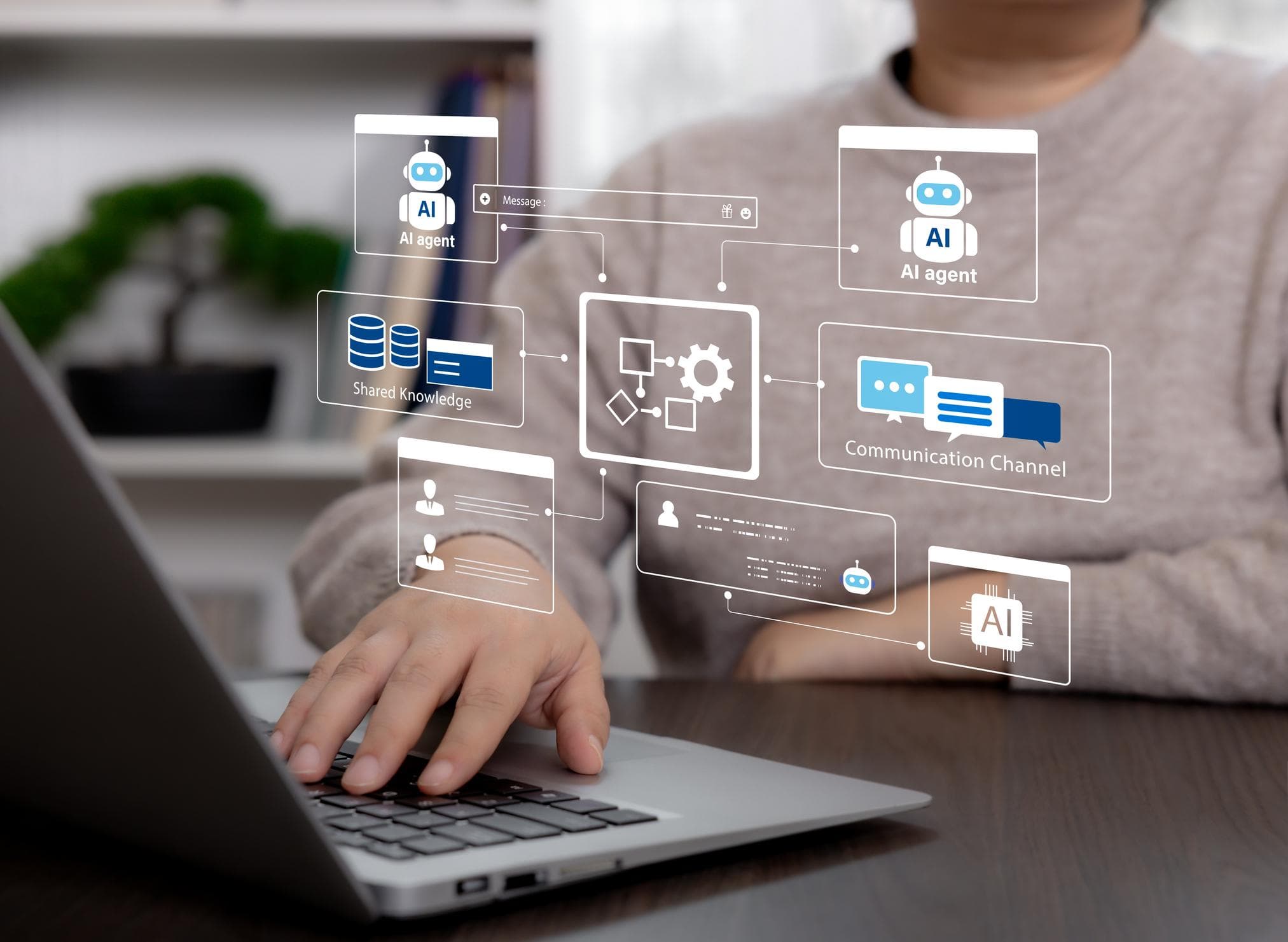
How AI Agents Are Transforming Enterprise Workflow Intelligence
AI agents autonomous systems that perceive their environment, reason about objectives, and take action across enterprise workflows are moving from research concept to operational reality. The enterprises deploying AI agents at scale are discovering that workflow intelligence is not just about automation it is about creating organisational capability that compounds with every cycle.
 AI-Native Infrastructure
Why Global Enterprises Need AI-Native Operational Infrastructure
The operational infrastructure that global enterprises built in the pre-AI era was designed for a different competitive environment. Enterprises that try to layer AI on top of legacy operational infrastructure will capture a fraction of AI's potential. The ones that rebuild their operational foundations as AI-native will gain structural advantages their competitors cannot close.