The Shift from Hustler to Architect
Every successful D2C brand is built by a hustler a founder who outworks, out-executes, and out-persists every obstacle in the early stage through sheer intensity of personal effort. Every successful D2C business at scale is run by an architect a leader who designs the systems, builds the team, and creates the structures that produce outcomes without requiring the founder's personal involvement in every decision. The transition between these two modes is the hardest and most important evolution a founder makes.
Manthan Sharma
Author
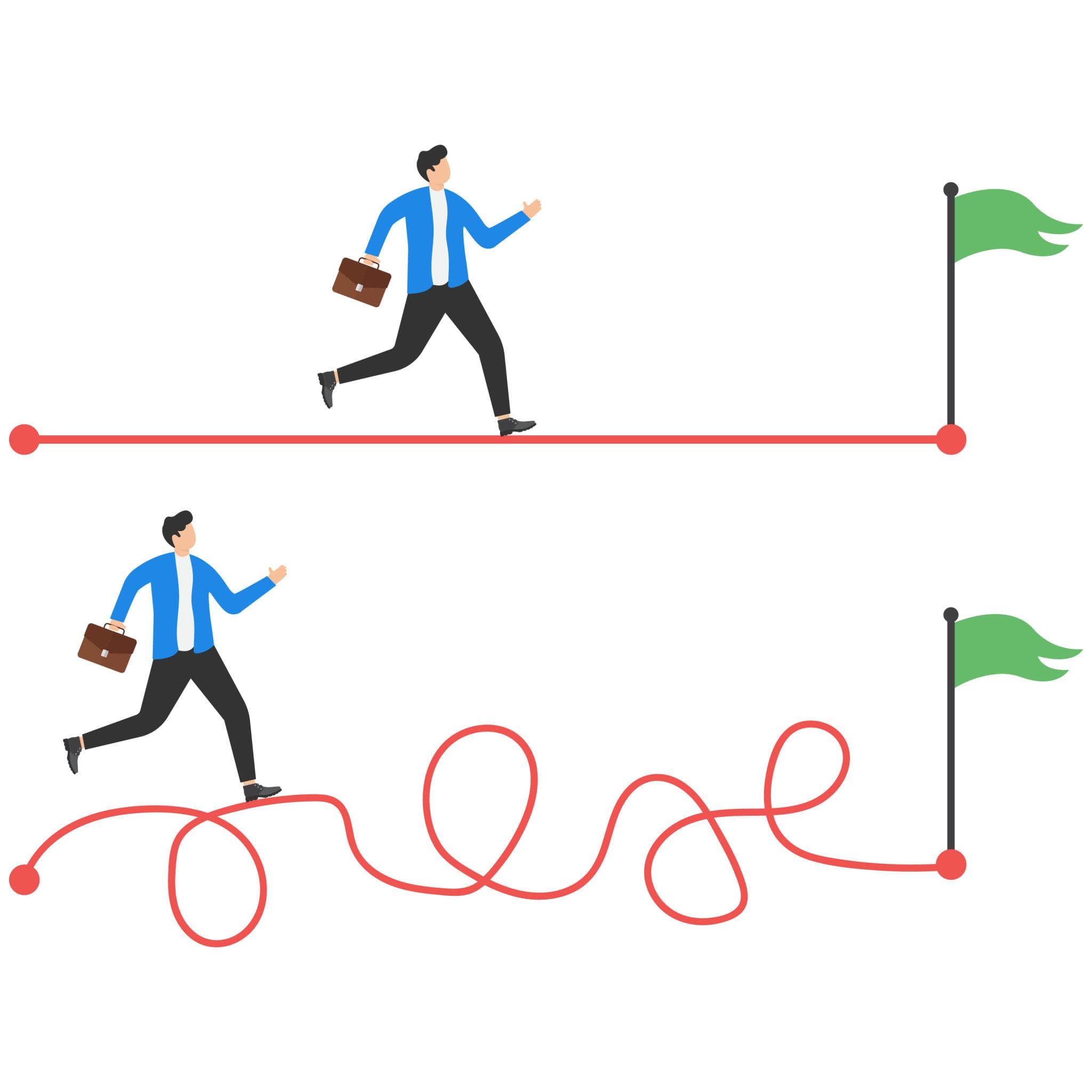
At ₹15 lakh monthly revenue, the founder was in every meeting, on every important customer call, reviewing every piece of marketing creative, personally managing the three largest supplier relationships, and handling escalated customer support issues directly. This was not micromanagement it was appropriate founder intensity for a business at the stage where the founder's personal involvement was the primary mechanism ensuring quality and speed across every function. At ₹90 lakh monthly revenue, with a team of nineteen people, the founder was doing the same things. And the business was showing the strain: decisions were delayed because the founder was the bottleneck, team members were not developing because they had no real decision-making authority, and the founder was working ninety-hour weeks and still feeling like the business was slipping out of control. The hustle that built the business to ₹90 lakh was preventing it from growing beyond ₹90 lakh. The transition from hustler to architect was not a personal preference it was an operational necessity.
What the Hustler Mode Produces and Why It Stops Working
The hustler mode is characterised by high personal output, direct execution, and founder-as-the-system. In the hustler mode, the business works because the founder makes it work through personal presence, direct intervention, and the force of will that compensates for the absence of documented processes, clear accountability structures, and systems that operate independently of the founder's involvement. This mode is not only acceptable in the early stage it is optimal. The cost of building systems and processes that run without founder involvement is high relative to the benefits when the business is small enough that the founder can hold its full operational complexity in their head.The hustler mode stops working at the scale where the business's operational complexity exceeds one person's capacity to hold it typically somewhere between ₹30 lakh and ₹1 crore monthly revenue, depending on the category and the business model. The signals are specific: decisions are delayed because they are all waiting for the founder's attention, team members make sub-optimal decisions in areas the founder has not personally addressed because they have no framework to guide them, quality is inconsistent because it depends on whether the founder was involved rather than on a defined standard, and the founder reports feeling simultaneously overwhelmed and that nothing is being done properly without their personal oversight.
What the Architect Mode Requires
The architect mode is characterised by system design, team development, and framework creation. The architect founder's primary output is not decisions it is the systems, processes, and frameworks within which the team makes decisions. Instead of personally reviewing every creative execution, the architect defines the creative standards and review process. Instead of managing every supplier relationship, the architect builds the procurement function and hires or develops the person who manages it. Instead of handling every strategic question as it arises, the architect defines the strategic priorities and decision criteria that allow the team to resolve most strategic questions without founder escalation.The transition requires three specific capability developments. The first is the ability to define what good looks like with enough precision that someone other than the founder can evaluate it a capability that requires the founder to make explicit the quality judgments and decision heuristics that were previously tacit and personal. The second is the ability to hire or develop people who can take genuine ownership of functional domains which requires the founder to be willing to accept decisions they personally disagree with if those decisions are within the framework the founder has defined and represent the team member's best judgment. The third is the discipline to resist the gravitational pull back to execution the instinct to step in and do the thing personally when the team member's execution is slower or imperfect.
Making the Transition: Practical Steps
The transition from hustler to architect does not happen through a single decision or a reorganisation announcement. It happens through a deliberate sequence of system-building and authority-transferring actions that progressively reduce the founder's operational involvement while building the organisational capability that replaces it. The sequence that works best starts with documentation: before delegating any function, the founder documents the decision criteria, quality standards, and process flows for that function explicitly enough that a competent person could operate within them without constant founder input.The next step is structured delegation: handing off the documented function to the responsible person with a defined transition period during which the founder provides feedback on decisions made, not by overriding them but by explaining the reasoning that would have led to a different outcome and updating the documentation to capture that reasoning. The final step is accountability design: building the measurement and reporting system that gives the founder visibility into functional performance without requiring direct involvement in execution. This transition is emotionally difficult for founders who built their identity around personal execution and who find genuine satisfaction in doing the work. The architect mode requires the founder to find the same satisfaction in the performance of systems and teams that they previously found in personal output. The founders who make this transition successfully are the ones who discover that the leverage of a well-designed system producing outcomes at ten times the scale of what was personally achievable in hustler mode is more satisfying than the tactical excellence of doing the work directly.

Related articles
View all → Enterprise Management
The Future of Enterprise Management Through AI Execution Layers
Enterprise management is being restructured by AI execution layers intelligent systems that sit between strategic direction and operational action, translating intent into coordinated execution at a speed and consistency that human management hierarchies cannot match. The enterprises that deploy these layers effectively are redefining what management means and what managers do.
 AI Agents
Why AI Agents Will Become Strategic Partners for Enterprise Leaders
The AI agent that flags an anomaly is a tool. The AI agent that investigates the anomaly, assesses its strategic implications, identifies the available responses, and presents a structured recommendation with evidence that is a strategic partner. The transition from AI-as-tool to AI-as-strategic-partner is already beginning in the most advanced enterprise deployments.
 Execution Speed
Why Enterprise Execution Speed Will Define Market Leadership in the AI Era
In the AI era, the fastest-executing enterprise wins. Not the best-strategised, not the most well-resourced the fastest. Execution speed is becoming the primary competitive variable, and the organisations that have built AI-powered execution infrastructure are setting a pace their competitors cannot match.