Why Your Best Employees Leave and What to Actually Do About It
The exit interview is too late. The retention conversation that matters happens six months before the resignation if the founder is having the right conversations with the right people at the right frequency.
Aditya Sharma
Author

A SaaS founder lost his head of product after eighteen months. The exit interview revealed three months of escalating frustration: unclear ownership of a key initiative, compensation that had not kept pace with the market, and a growing sense that his contributions were not visible to the leadership team. None of the three issues had been discussed in any of the founder's one-on-ones with him. The founder had assumed that the absence of complaints indicated the absence of problems. The best employees do not complain before they leave. They update their LinkedIn profiles.
Why the Best Employees Leave First
High performers leave before average performers because they have more options. A high performer experiencing frustration unclear ownership, stagnant compensation, invisible contribution has market alternatives that make exit rational. An average performer experiencing the same frustration has fewer alternatives, so the threshold for leaving is higher. The implication is that the employees who leave earliest are disproportionately the employees whose departure is most costly.The departure trigger is almost never the immediate cause cited in the exit interview. Departure is the result of accumulated dissatisfaction that reached a threshold one final incident that made the decision to leave feel easy rather than hard. The resignation conversation that the founder has is not the beginning of the problem. It is the end of a months-long drift that was addressable at multiple earlier points.
The Retention Conversations That Actually Help
Retention is not a benefit programme or a salary review process. It is a conversation cadence. The retention conversation that matters asks three questions, monthly, with every key employee: What are you most energised by right now? What is getting in your way? What do you need from me that you are not getting? These three questions surface frustration before it becomes resignation, reveal organisational obstacles that the founder cannot see from their vantage point, and demonstrate that the employee's experience is actively on the founder's agenda.The conversations are only valuable if the founder acts on what they hear. A founder who asks the questions and does not address the answers has provided evidence that the feedback loop does not work which is more demoralising than not asking at all.

Related articles
View all → Hiring
The Future of Enterprise Hiring in an AI-Native World
Hiring focuses on AI collaboration skills, strategic thinking, complex judgment vs operational execution.
 Operations
Scaling Ops Without Hiring: The Smart Founder's Playbook
Most founders hire when the team is overwhelmed. The better founders ask why the team is overwhelmedand fix the system rather than adding headcount to a broken process. A team of six with the right systems outperforms a team of twelve managing the same volume through manual coordination.
 Engineering
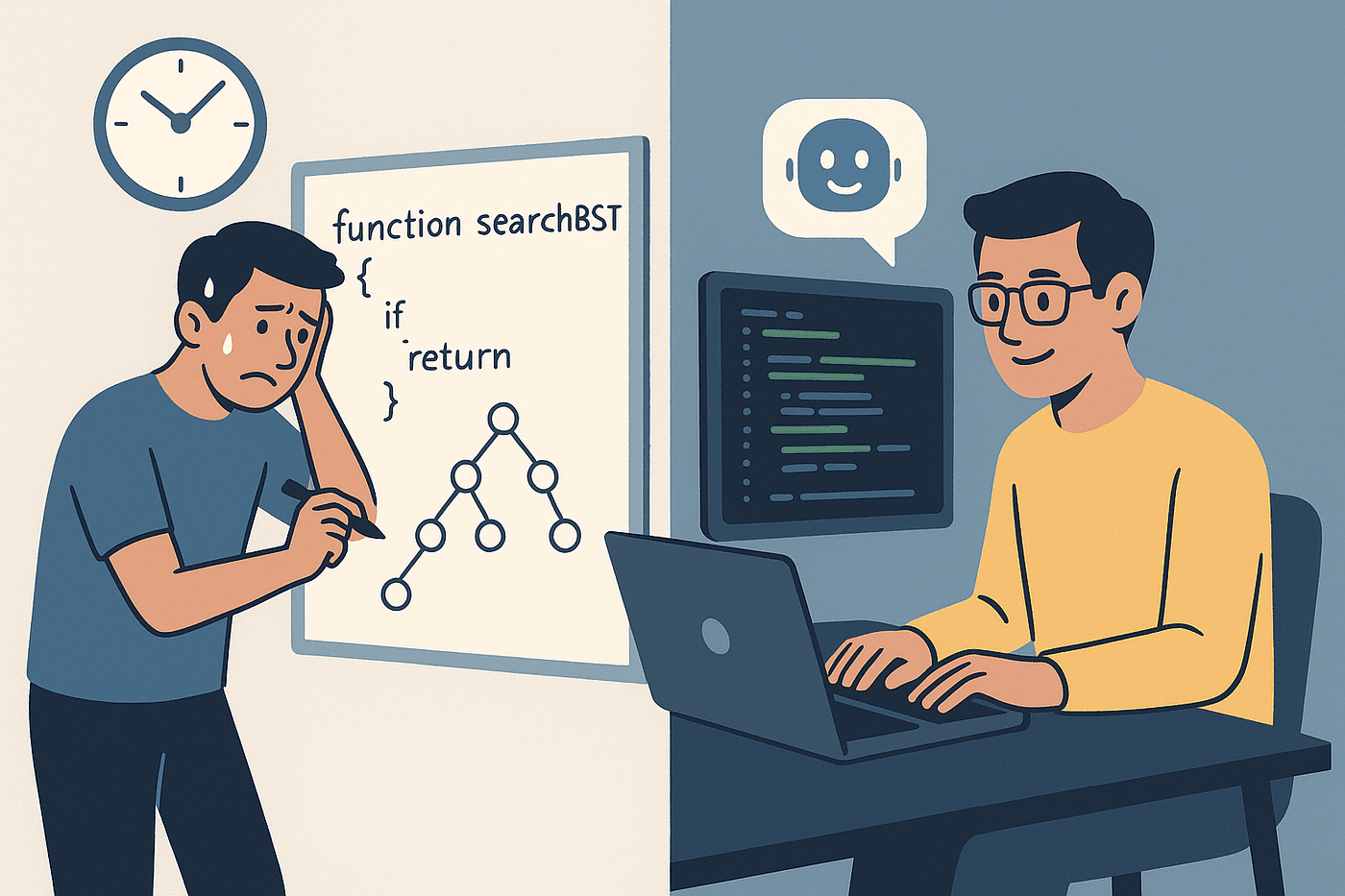
Coding Interviews Are Broken AI Changed the Game
The whiteboard interview was already a poor predictor of job performance. AI has made it completely disconnected from reality. Here's what's replacing it.