Designing Enterprise Teams Around AI Coordination
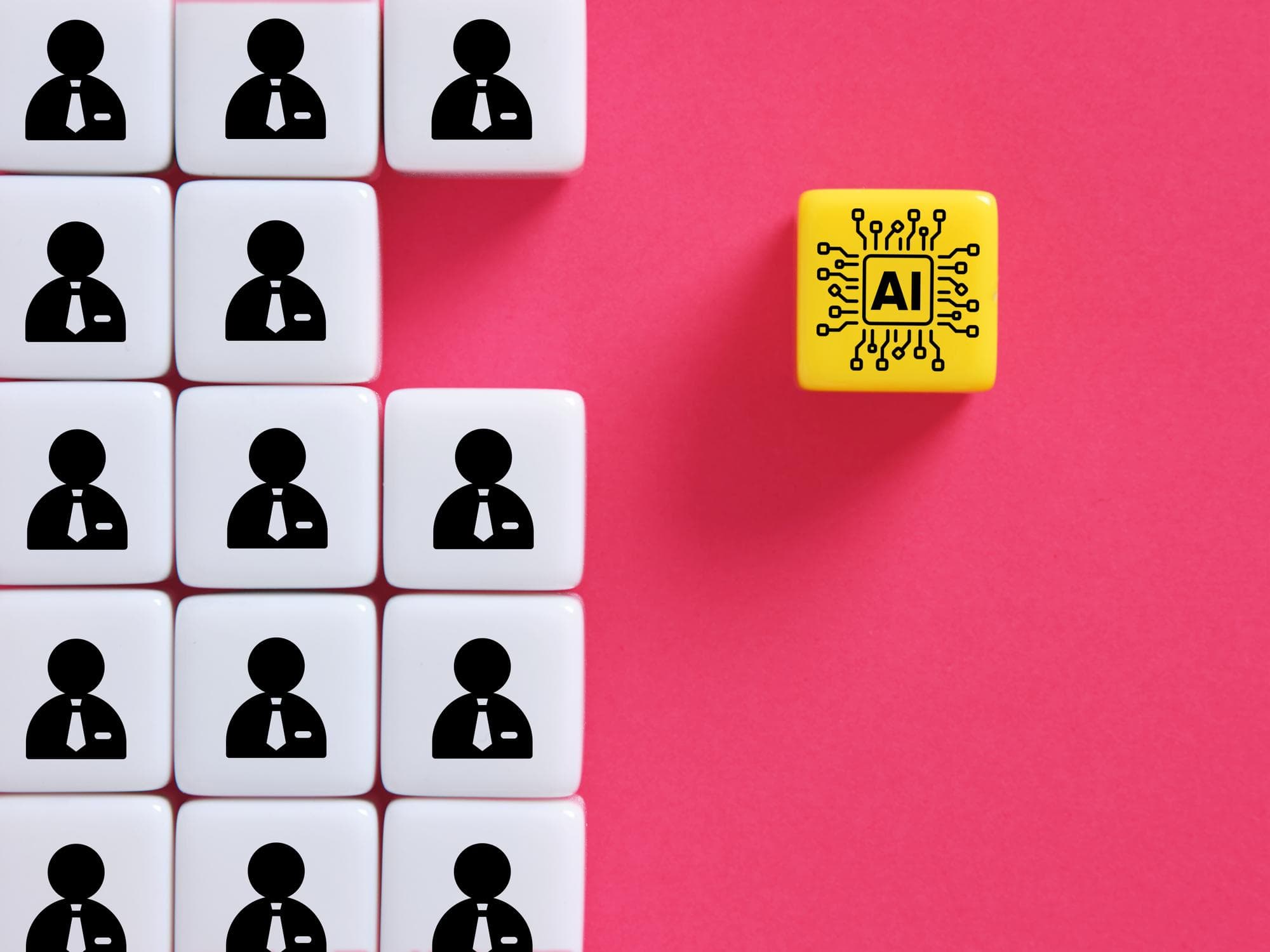
Teams designed for AI coordination: smaller human teams, broader responsibilities, autonomous coordination.
Manroze
Author

Team redesign: 20 coordinators + 150 task executors becomes 6 strategists + autonomous agents.
Strategic Context and Competitive Implications
Designing Enterprise Teams Around AI Coordination represents transformation creating structural competitive advantages. Organizations achieving this operate with 40-70% efficiency gains, 10-20x decision velocity, and cost structures enabling continuous innovation.Implementation window narrowing as technologies mature and playbooks emerge. Organizations committing in 2026-2027 capture first-mover advantages. Delay means permanent disadvantage.Strategic choice: lead transformation now or follow from disadvantaged position.
Implementation Framework and Success Factors
Implementation challenges are organizational not technical. Proven approach: high-impact workflows, governance first, change management, sustained commitment through 18-36 month transformation.Critical success factors: executive sponsorship, adequate governance investment, framework accountability models, systematic expansion, clear outcome metrics.Organizations treating as operational transformation succeed. Those treating as technology deployment fail despite greater investment.
Performance Transformation and Market Impact
Organizations implementing designing enterprise teams around ai coordination achieve 2-5x throughput increases, 40-60% quality improvements, decision latency compressed 10-20x. Advantages compound through self-reinforcing cycles.By 2030 clear market differentiation: winners with permanent advantages vs laggards facing intensifying pressure across share, talent, customers, and capabilities.Strategic imperative: commit to transformation in 2026-2027 or accept permanent competitive disadvantage against enterprises establishing capabilities earlier.
Why AI Workforce Planning Will Replace Traditional Resource Planning
Related articles
View all → SuperManager AGI
How Super Manager AGI Enables Scalable Enterprise Execution Across Global Teams
Global enterprise execution is the coordination of work, information, and decisions across time zones, languages, legal jurisdictions, and cultural contexts a challenge that has historically required substantial middle-management infrastructure. SuperManager AGI is redesigning this challenge by providing the coordination layer that human middle management was providing, at a fraction of the cost and a multiple of the speed.
 Coordination
AI-Powered Enterprise Coordination for Cross-Functional Business Teams
Cross-functional coordination is one of the highest-cost, highest-friction activities in enterprise management. AI-powered coordination systems are reducing this friction dramatically and the teams that adopt them are moving faster, with fewer misalignments and less coordination overhead.
 Decision Intelligence
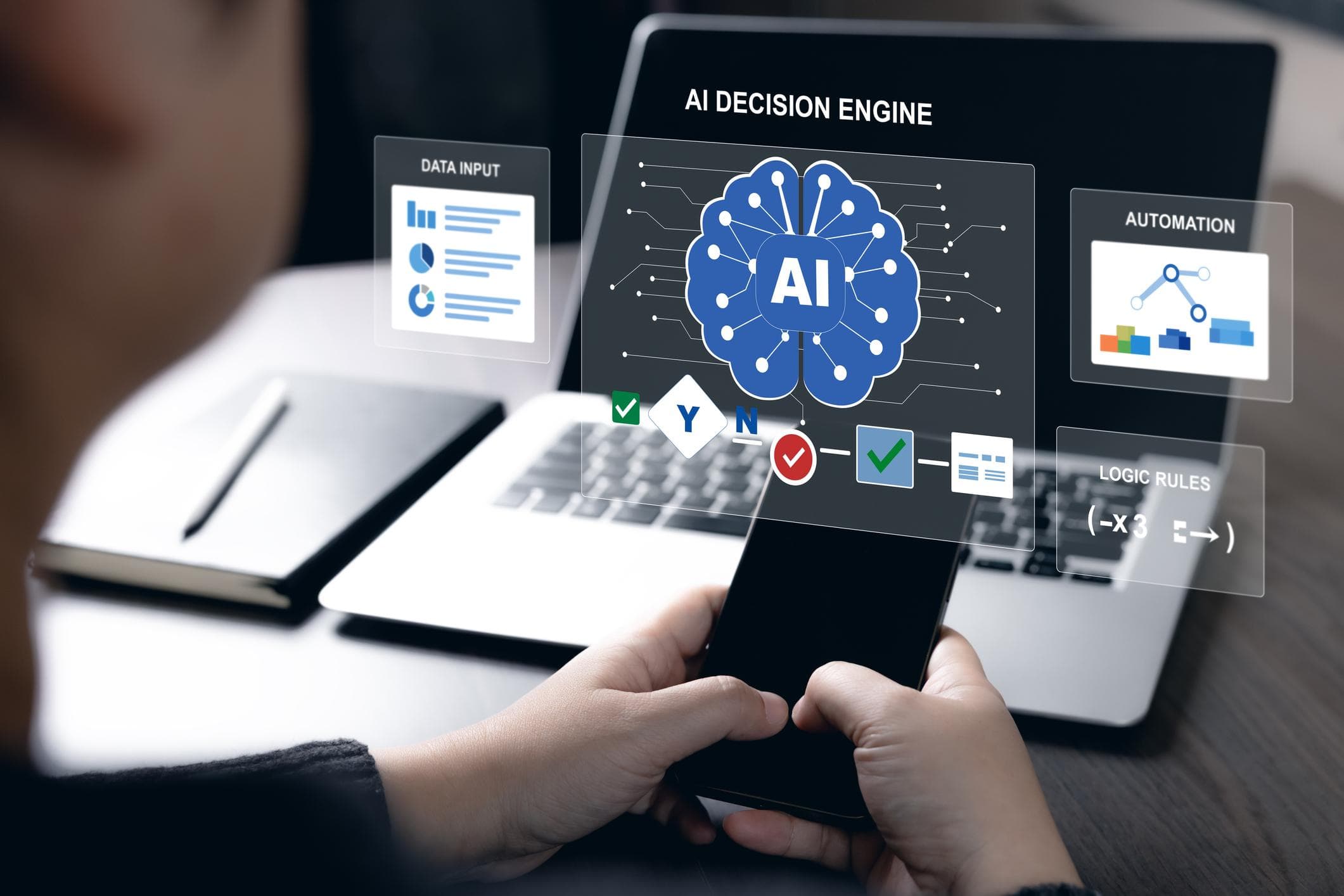
The Future of Enterprise Decision Intelligence Through AI Coordination
Decision intelligence the systematic improvement of decision quality through better data, better analysis, and better coordination of decision inputs is being transformed by AI. The enterprises that build AI-coordinated decision intelligence are making better decisions faster than their competitors will ever catch up with.