The Future of Workflows in an Agentic Enterprise
The workflow model that defined enterprise operations for three decadeshumans triggering processes, systems executing predefined steps, and dashboards reporting statusis being replaced by a fundamentally different paradigm where AI agents detect operational conditions, reason about required actions, execute across systems autonomously, and coordinate with other agents to complete multi-step workflows without human initiation. The transformation is not automation of existing workflows. It is reconstruction of workflows around autonomous execution where humans define objectives and governance boundaries while agents handle operational coordination that previously consumed the majority of management attention.
Prince Kumar
Author
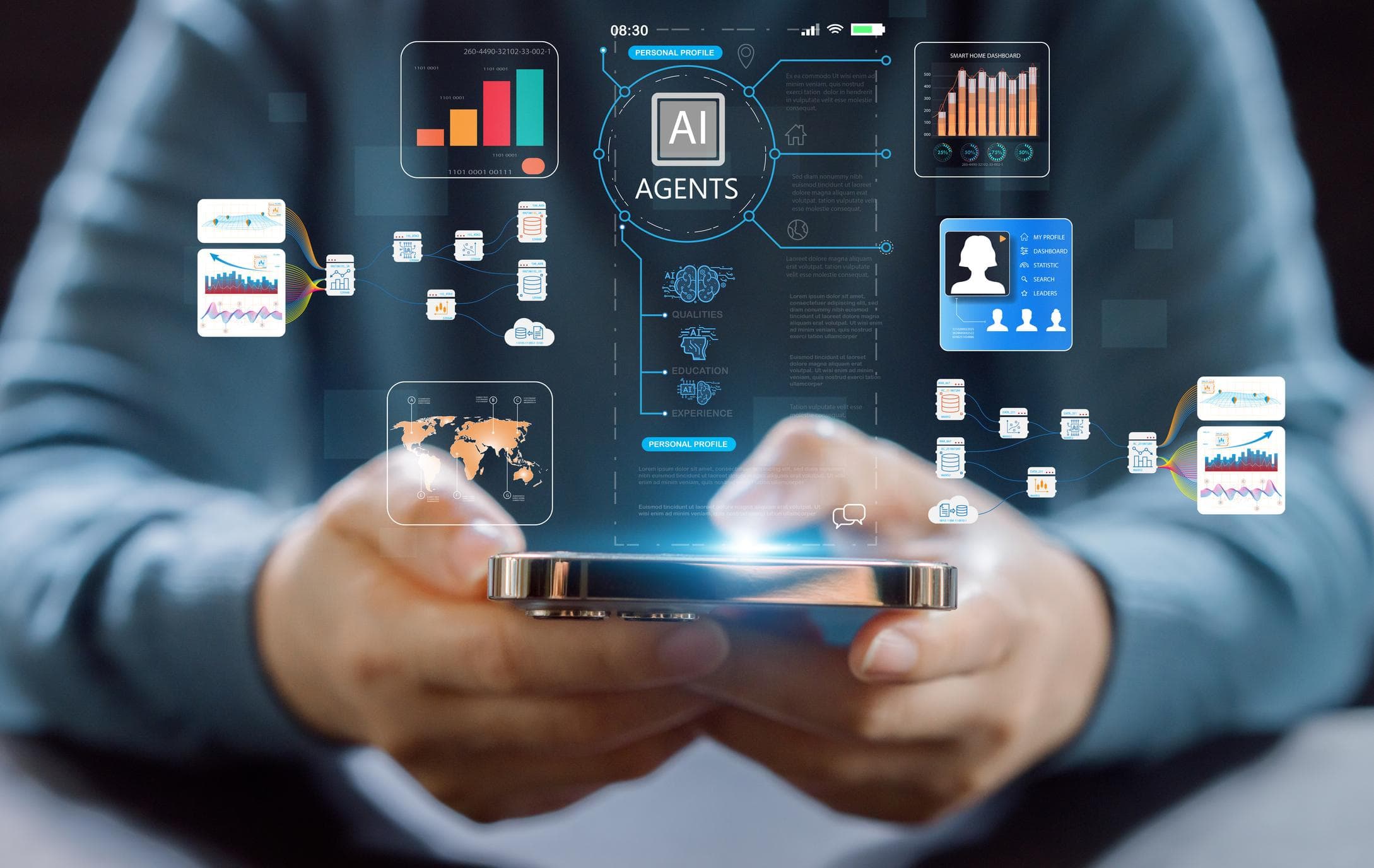
A global manufacturing company operates 14 production facilities with complex coordination requirements across supply chain, production scheduling, quality control, and distribution. The traditional workflow model required humans to manually coordinate each operational handoff: procurement teams triggered purchase orders when inventory dashboards showed low stock, production planners manually adjusted schedules when supplier delays occurred, quality teams manually routed defect reports to relevant production lines, and distribution coordinators manually prioritized shipments based on customer urgency. Each coordination point required human attention, meetings to resolve conflicts, and manual updates across multiple systems. The agentic workflow model operates fundamentally differently: inventory agents monitor stock levels in real-time and automatically trigger purchase orders when reorder thresholds are reached, supply chain agents detect delivery delays and automatically adjust production schedules to minimize downstream impact, quality agents analyze defect patterns and automatically route issues to appropriate teams with relevant context, and distribution agents dynamically prioritize shipments based on customer commitments and available capacity. Human managers no longer spend time coordinating these operational handoffs. They focus on exception scenarios that require judgmentsupplier quality issues that need negotiation, production bottlenecks that require capital investment decisions, customer escalations that need relationship management. The workflow coordination that previously consumed 70% of management attention now happens autonomously through agent orchestration. This is the future of workflows in agentic enterprises: operational execution that runs continuously without human coordination, with humans providing strategic direction and handling genuine exceptions.
Event-Driven Execution: From Scheduled Processes to Continuous Response
The traditional enterprise workflow is batch-oriented and schedule-driven: systems run nightly jobs to process transactions, generate reports on fixed schedules, and trigger alerts when predefined thresholds are crossed. Humans review these outputs during business hours and initiate corrective actions through manual process steps. This model creates inherent delays between when operational conditions change and when corrective action occurs. A supplier delay that happens at 2 AM is not detected until the morning production meeting, does not result in schedule adjustments until afternoon, and creates downstream cascading delays because the response lagged the triggering event by 8-10 hours. The agentic workflow model is event-driven and operates continuously: agents monitor operational conditions in real-time, detect changes that require response, reason about appropriate corrective actions, and execute those actions immediately without waiting for human initiation or batch processing windows.The operational advantages are substantial and compound across interconnected workflows. Organizations deploying event-driven agentic workflows report 40-60% reductions in operational cycle times not because individual steps execute faster but because the lag between detection and response collapses from hours to minutes. A supply chain agent that detects a shipment delay at 2:47 AM and automatically adjusts production schedules, notifies affected customers, and reoptimizes logistics routes before the day shift arrives prevents cascading delays that human-coordinated workflows cannot avoid because humans are not monitoring systems continuously. The economic impact scales with operational complexity: enterprises with tightly coupled workflows where delays propagate across multiple systems see the highest value from event-driven execution because autonomous response prevents the cascade effects that batch-oriented workflows cannot address.
Multi-Agent Orchestration: Replacing Human Coordination with Agent Protocols
The most significant workflow transformation in agentic enterprises is the shift from human-coordinated handoffs to agent-negotiated workflows. In traditional models, humans coordinate workflow handoffs through meetings, email threads, and manual status updates: a product manager coordinates with engineering to define requirements, engineering coordinates with design to establish UI specifications, design coordinates with product to validate mockups, and each handoff requires human attention to clarify context, resolve conflicts, and maintain alignment. The agentic model replaces human coordination with agent protocols: a requirements agent generates specifications from product objectives and customer data, passes them to an implementation agent with explicit acceptance criteria, the implementation agent coordinates with a design agent to generate UI that meets both technical and aesthetic requirements, and the validation agent confirms the implementation matches specifications before deployment. Humans define the objectives and constraints but do not coordinate the intermediate handoffs.The shift from human coordination to agent orchestration is where the most significant productivity gains emerge. Studies show that coordination overhead consumes 40% of knowledge worker productive time and context switching between coordination activities costs enterprises $450 billion annually. Multi-agent orchestration eliminates the majority of this overhead because agents coordinate through explicit protocols rather than through meetings and status updates. Organizations deploying multi-agent workflows report that human managers spend 60-70% less time on coordination activities, workflow cycle times improve by 25-35% because agent coordination happens continuously rather than through scheduled synchronization points, and error rates decrease because agents maintain workflow context that humans lose through context switching. The strategic implication is fundamental: enterprises that replace human coordination with agent orchestration can scale operational throughput beyond what human coordination capacity can support, creating a structural advantage over competitors operating with traditional human-coordinated workflow models.
Adaptive Workflows: From Static Processes to Dynamic Optimization
The most sophisticated capability in agentic workflows is adaptive optimization: workflows that continuously adjust their execution based on performance data and changing conditions rather than following static process definitions. Traditional workflows are defined once, documented in process manuals, and changed through formal process improvement projects that take months to implement. Agentic workflows learn from operational patterns and optimize themselves: a customer service workflow that observes certain inquiry types requiring human escalation less frequently can automatically adjust escalation thresholds to handle more cases autonomously; a production scheduling workflow that detects certain supplier combinations leading to better on-time delivery can prioritize those suppliers in future planning cycles; a quality workflow that identifies certain defect patterns correlating with specific machine configurations can automatically trigger preventive maintenance before defects occur.The value of adaptive workflows compounds over time in ways that static process automation cannot match. Organizations deploying adaptive agentic workflows report continuous improvement in operational metricsresolution times that decrease month-over-month, quality scores that improve incrementally, and resource utilization that optimizes without manual process redesign projects. The most significant strategic advantage is that adaptive workflows enable enterprises to maintain operational excellence in dynamic environments where static processes become obsolete quickly. A supply chain workflow optimized for pre-pandemic supplier networks cannot adapt when geopolitical events disrupt those networks. An adaptive agent-driven supply chain continuously adjusts supplier selection, routing optimization, and inventory policies based on current conditions without requiring humans to manually redesign the workflow. The enterprises that transition to adaptive agentic workflows gain an operational advantage that competitors operating with static process definitions cannot match: the ability to maintain optimized operations in continuously changing business environments without the process redesign projects that traditional workflow improvements require.
Related articles
View all → AI Execution
Why AI Execution Systems Will Define the Future of Enterprise Operations
The next frontier of enterprise competitive advantage is not strategy it is execution. AI execution systems that translate strategic intent into coordinated operational action, faster and more reliably than any human-managed process, are becoming the defining infrastructure of enterprise performance in every sector.
 AI Agents
How AI Agents Are Transforming Enterprise Workflow Intelligence
AI agents autonomous systems that perceive their environment, reason about objectives, and take action across enterprise workflows are moving from research concept to operational reality. The enterprises deploying AI agents at scale are discovering that workflow intelligence is not just about automation it is about creating organisational capability that compounds with every cycle.
 Agentic AI
The Evolution of Enterprise Operations in the Age of Agentic AI
Agentic AI AI systems that pursue goals, take actions, and adapt to feedback without requiring step-by-step human instruction is not an incremental evolution of enterprise automation. It is a structural shift in what operational systems can do and what human operators are for.