How Super Manager AGI Enables Continuous Enterprise Execution and Optimization
The periodic management review cycle is the fundamental rhythm of most enterprise management. Super Manager AGI is replacing it with continuous execution and optimisation a management model that adapts in real time rather than at monthly or quarterly intervals.
Manroze
Author
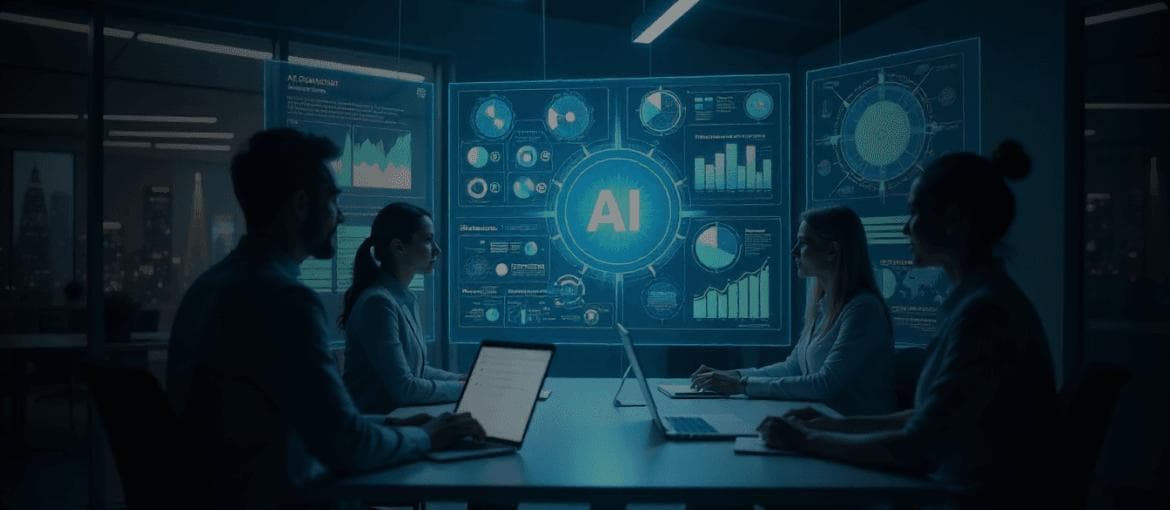
Enterprise management has always operated on periodic cycles. Monthly financial reviews. Quarterly business reviews. Annual planning processes. These cycles exist not because periodic review is strategically optimal, but because the human management capacity required for continuous review at scale is prohibitively expensive. Super Manager AGI removes this constraint. AI management systems that monitor all relevant operational dimensions continuously, identify the deviations and opportunities that matter, generate recommendations in real time, and execute responses within defined parameters do not need a monthly cycle to function they function continuously, adapting enterprise operations to a changing environment at a speed and granularity that periodic review cycles cannot match.
The Value of Continuous Execution and Optimization
The value of continuous execution and optimisation over periodic review is most clearly visible in fast-moving operational environments. Consider inventory management: a periodic review cycle that updates inventory positions weekly allows demand deviations to accumulate for up to seven days before generating a management response. Super Manager AGI that monitors inventory positions in real time, detects demand deviations within hours, and autonomously adjusts replenishment plans within defined parameters prevents these losses without requiring human management intervention.The compounding value of continuous optimisation is equally significant. An enterprise whose resource allocation is continuously optimised with budget and capacity continuously redistributed toward the highest-performing activities based on real-time performance data is building performance advantages that compound with every reallocation cycle. The enterprise that makes 365 small resource allocation optimisations per year, each informed by current performance data, consistently outperforms the enterprise that makes four large resource allocation decisions per year informed by quarterly data.
Super Manager AGI Continuous Operations in Practice
Continuous Performance Management
Super Manager AGI continuous performance management replaces the periodic performance review with real-time performance monitoring and continuous micro-interventions. Instead of waiting for the monthly performance review to identify that a team member is struggling with a specific objective, the system identifies the performance signal within days of it emerging, assesses the likely cause based on contextual data, and either provides automated support resources or flags the situation for manager attention. The result is performance issues addressed earlier, with better context, and with less of the emotional difficulty that periodic performance reviews create when issues have been accumulating unaddressed for weeks.
Continuous Strategic Alignment
One of the most valuable applications of Super Manager AGI continuous operation is strategic alignment maintenance ensuring that day-to-day operational decisions remain consistent with long-term strategic priorities as the operational environment changes. In a periodic management model, strategic drift accumulates between reviews as operational teams make pragmatic local decisions that individually are rational but collectively diverge from strategic direction. Super Manager AGI that monitors operational decisions continuously against strategic parameters identifies drift as it emerges and generates real-time alignment recommendations.
Continuous Execution and Optimization Questions
- What is the current lag between an operationally significant event and a management response being initiated and what would reducing this lag to hours rather than days enable for your business?
- Which management functions in your organisation would benefit most from moving from periodic review to continuous monitoring and response?
- What data infrastructure is required to support continuous management operations and how does your current data architecture compare to this requirement?
- How would you design the governance framework for Super Manager AGI continuous operations defining the boundaries of autonomous continuous management and the human oversight mechanisms?
- What performance improvement would justify the investment in Super Manager AGI continuous execution capability and what metrics would you track to measure that improvement?
The Future of Enterprise Decision Intelligence Through AI Coordination
Related articles
View all → Autonomous Coordination
The Rise of Autonomous Enterprise Coordination Platforms
Enterprise coordination the alignment of people, processes, information, and resources across organisational boundaries has always been expensive, slow, and error-prone when managed through human intermediaries alone. Autonomous coordination platforms powered by AI are replacing the coordination overhead of large organisations with intelligent systems that synchronise the enterprise continuously and without manual intervention.
 AI Agents
How AI Agents Are Transforming Enterprise Workflow Intelligence
AI agents autonomous systems that perceive their environment, reason about objectives, and take action across enterprise workflows are moving from research concept to operational reality. The enterprises deploying AI agents at scale are discovering that workflow intelligence is not just about automation it is about creating organisational capability that compounds with every cycle.
 AI-Native Infrastructure
Why Global Enterprises Need AI-Native Operational Infrastructure
The operational infrastructure that global enterprises built in the pre-AI era was designed for a different competitive environment. Enterprises that try to layer AI on top of legacy operational infrastructure will capture a fraction of AI's potential. The ones that rebuild their operational foundations as AI-native will gain structural advantages their competitors cannot close.