Super Manager AGI and the Rise of AI-Native Enterprise Management Systems
The concept of a Super Manager AGI an AI system capable of coordinating complex enterprise functions with the judgment depth of a senior executive is moving from theoretical to operational. Understanding what it means for enterprise management architecture is a strategic priority for forward-looking leadership.
Nirmal Nambiar
Author
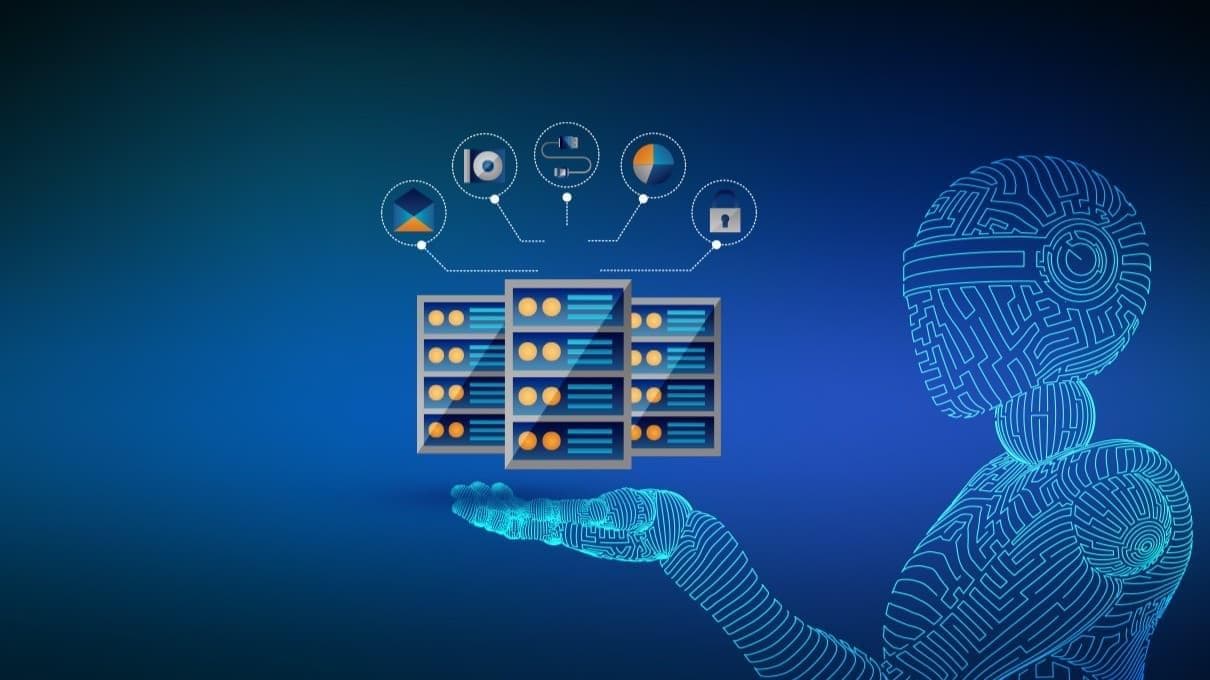
The management function in large enterprises has always been defined by the scarcity of high-quality judgment. Good managers people who can synthesise complex information, make sound decisions under uncertainty, coordinate diverse teams toward shared objectives, and adapt their approach as circumstances change are scarce, expensive, and limited in how much they can oversee simultaneously. This scarcity drives the management hierarchy: layers of oversight designed to extend the judgment of the best decision-makers across a larger operational footprint than any individual could directly manage. AI systems with general management capability systems that can synthesise operational data, generate sound recommendations across multiple domains, coordinate workflow execution, monitor outcomes, and adapt strategies based on results are beginning to challenge the assumption that management judgment is exclusively a human capability. The concept of a Super Manager AGI is not a science fiction proposition. It is the direction that enterprise AI systems are moving as the capability of large language models, reinforcement learning systems, and autonomous agents continues to advance.
What Super Manager AGI Means in Practice
A Super Manager AGI capability is not a single system it is an integrated layer of AI capabilities that collectively perform functions currently distributed across multiple management roles. Strategic synthesis: the ability to aggregate data from across the enterprise and external environment, identify the patterns and trends most relevant to strategic decisions, and generate well-reasoned strategic recommendations. Operational coordination: the ability to translate strategic direction into operational plans, assign resources, coordinate execution across functions, monitor progress, and identify deviations from plan in real time. Performance management: the ability to track individual and team performance against objectives, identify performance gaps, surface root cause analysis, and generate targeted improvement recommendations.No current AI system fully delivers all of these capabilities at the level of an experienced senior executive. But the trajectory is clear: each successive generation of enterprise AI systems is performing a wider range of management functions at a higher level of sophistication. The enterprises that are building AI-native management infrastructure now even at a capability level below the Super Manager AGI threshold are developing the organisational experience, data infrastructure, and integration architecture that will allow them to scale to full Super Manager AGI capability faster than organisations starting from scratch.
AI-Native Enterprise Management Architecture
Redesigning the Management Stack
The emergence of Super Manager AGI capability requires a redesign of the enterprise management stack the layer of roles, processes, and systems through which the enterprise is managed. In an AI-native management architecture, routine management functions performance monitoring, resource allocation optimisation, process coordination, reporting generation are handled by AI systems. Human managers focus on the management functions that require human judgment: setting strategic direction, building relationships, resolving novel situations that fall outside AI system parameters, and providing the ethical oversight that AI systems require. This is not a reduction in the importance of human management it is an elevation of what human management means, as AI systems handle the volume of routine management work that currently consumes the majority of many managers' time.
The Transition Path to AI-Native Management
The transition to AI-native enterprise management is not an event it is a multi-year progression through increasing levels of AI management capability. The near-term phase involves AI augmentation: AI systems that support human managers with better data, better analysis, and better recommendations, while humans retain decision authority across all management functions. The medium-term phase involves AI delegation: specific management functions performance reporting, resource scheduling, compliance monitoring are delegated to AI systems that handle them autonomously within defined parameters. The long-term phase involves AI-native management: an integrated AI management layer that handles the full range of routine management functions, with human managers operating as strategic directors and oversight providers rather than operational coordinators.
AI-Native Management Readiness Questions
- What proportion of your current management capacity is consumed by routine coordination, reporting, and monitoring functions that AI systems could handle autonomously?
- Have you identified the specific management functions in your organisation that are most viable for early AI delegation based on their structure, data availability, and risk profile?
- What data infrastructure is required to support AI management systems in your highest-priority function and how does your current data architecture compare to that requirement?
- What is your governance framework for AI management systems defining the boundaries of autonomous AI management decision-making and the escalation protocols for situations requiring human judgment?
- How would you measure the performance of AI management systems in your enterprise and what performance thresholds would justify expanding their scope of autonomous management authority?
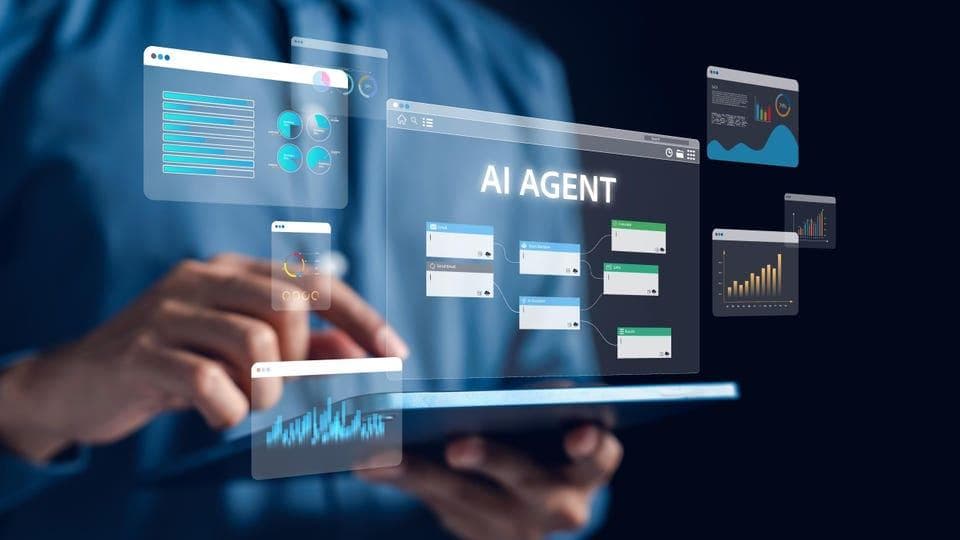
The Future of Enterprise Transformation Through Autonomous Execution Intelligence
Related articles
View all → Autonomous Coordination
The Rise of Autonomous Enterprise Coordination Platforms
Enterprise coordination the alignment of people, processes, information, and resources across organisational boundaries has always been expensive, slow, and error-prone when managed through human intermediaries alone. Autonomous coordination platforms powered by AI are replacing the coordination overhead of large organisations with intelligent systems that synchronise the enterprise continuously and without manual intervention.
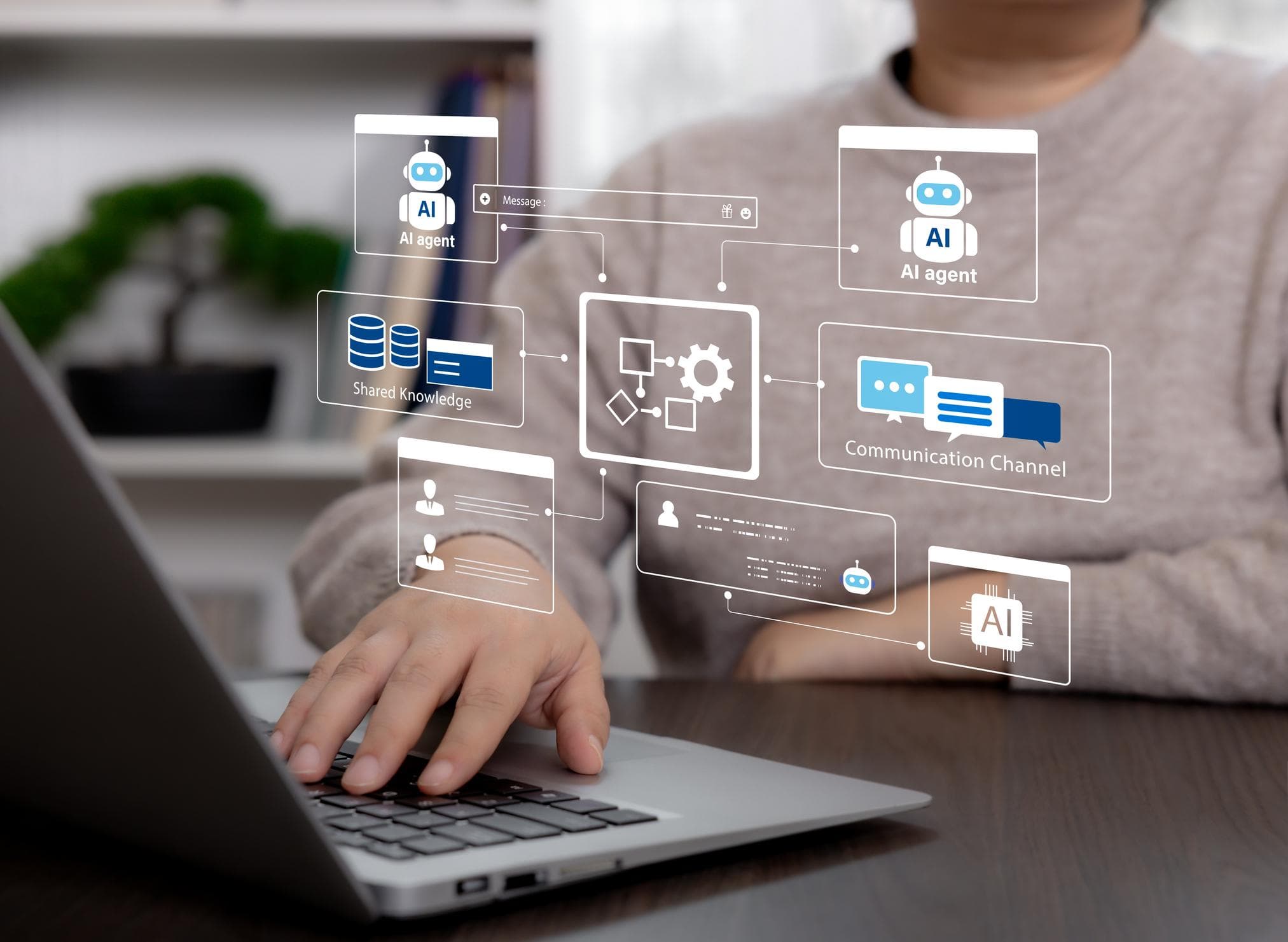 AI Agents
How AI Agents Are Transforming Enterprise Workflow Intelligence
AI agents autonomous systems that perceive their environment, reason about objectives, and take action across enterprise workflows are moving from research concept to operational reality. The enterprises deploying AI agents at scale are discovering that workflow intelligence is not just about automation it is about creating organisational capability that compounds with every cycle.
 AI-Native Infrastructure
Why Global Enterprises Need AI-Native Operational Infrastructure
The operational infrastructure that global enterprises built in the pre-AI era was designed for a different competitive environment. Enterprises that try to layer AI on top of legacy operational infrastructure will capture a fraction of AI's potential. The ones that rebuild their operational foundations as AI-native will gain structural advantages their competitors cannot close.