The Future of Enterprise Leadership with AI Agents
When AI agents handle the operational layer monitoring, coordinating, reporting, alerting managers get back the 40 to 60 percent of their time currently consumed by coordination work. What they do with that time determines whether the AI transformation produces better organisations or just leaner ones.
Manroze
Author
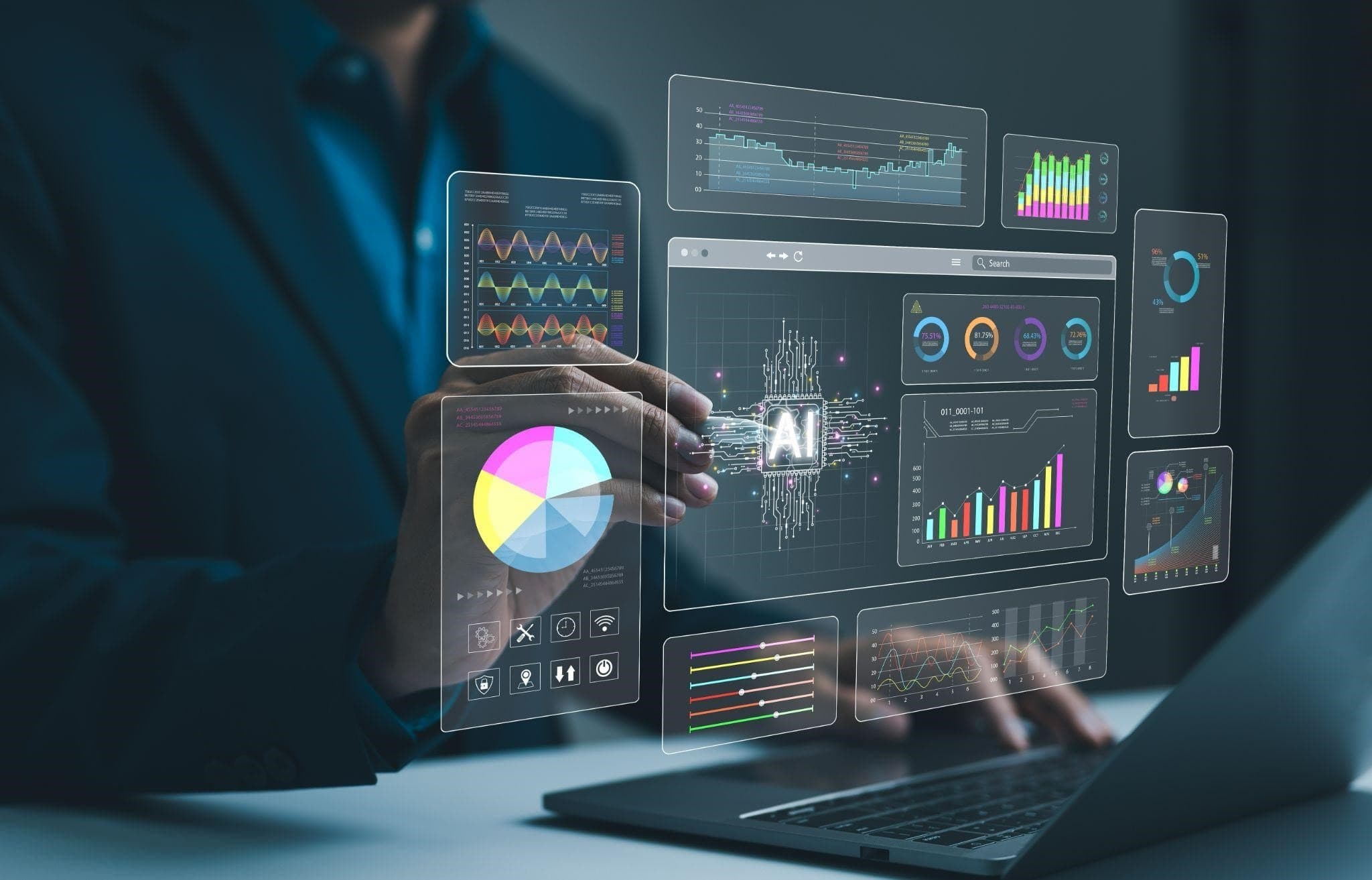
The job description of a manager has not officially changed in thirty years. Coordinate the team. Track the work. Report status upward. Escalate risks. Run the meeting. Send the summary. These activities consume 40 to 60 percent of a manager's working week and none of them require the judgment, creativity, or human relationship intelligence that define great management. They require time, attention, and administrative discipline. AI agents can provide all three with greater consistency, thoroughness, and speed than any human. The question this raises is not whether management will change it will, and it already is at the organisations where AI deployment is most advanced but what management becomes when the operational layer is handled by agents. The answer is not that managers become redundant. It is that management becomes significantly more human focused on the capabilities that are distinctly and irreplaceably human and that define the difference between a functional team and an exceptional one.
What the Operational Layer Actually Costs Managers
Research consistently finds that managers at fast-growing organisations spend approximately 30% of their time in meetings (stand-ups, sprint reviews, cross-functional syncs, stakeholder updates), 20% on status tracking and reporting (compiling information from multiple tools, writing summaries, updating dashboards), 15% on coordination work (following up on dependencies, unblocking team members, routing information between teams), and 35% on the work that actually requires their judgment hiring, development conversations, strategic planning, difficult decisions, and the relationship-building that shapes team culture.The 65% spent on meetings, reporting, and coordination is not wasted because these activities are unimportant. Coordination is genuinely critical. Status reporting creates visibility that enables decisions. Meetings are how teams align. The problem is that most of this work does not require a manager's judgment. It requires a system that never forgets to follow up, can read six data sources simultaneously and synthesise them into a coherent picture, and is available at 11pm on a Sunday when an alert needs to be sent. When AI agents handle the 65%, the 35% that requires genuine human judgment expands to fill the available time and the manager becomes dramatically more effective at the work that actually defines excellent leadership.
What Changes When the Operational Layer Is Automated
From status reporter to strategic communicator
When AI agents generate the status reports, the manager's role in the reporting process shifts from compilation to interpretation. Rather than spending two hours assembling information from five tools, the manager receives the agent-generated summary and spends twenty minutes adding strategic context, stakeholder-specific framing, and the forward-looking perspective that no agent can provide. The output is better machine-generated operational accuracy combined with human-provided strategic context and takes a fraction of the time.
From reactive firefighter to proactive coach
One of the most consistent observations from managers who have deployed AI coordination systems is that the character of their management work changes. Before deployment, a significant fraction of management activity is reactive responding to problems that have already occurred, containing damage, managing the stress of late discoveries. After deployment, the 14-to-21-day early warning capability means the same problems are addressed as planning exercises rather than crises. The manager's role becomes proactive designing the intervention before the problem materialises and coaching the team through a structured solution process.
From coordinator to relationship builder
The coordination work that AI agents handle routing tasks, managing dependencies, ensuring information flows between teams is work managers currently perform through meetings and messages. When this work is handled systematically, the manager's interaction with their team changes. Instead of 1:1s dominated by status updates and blocker discussions, managers have conversations about growth, career development, technical direction, and team dynamics. The relationship deepens because the interaction is no longer primarily transactional. This change in quality consistently correlates with improved retention, higher engagement, and better team performance.
From meeting runner to decision maker
A manager's most valuable contribution is the decisions they make about priorities, people, strategies, and how to respond to the unexpected. These decisions are currently made with incomplete, stale information assembled under time pressure between meetings. AI agents give managers continuous access to complete, current, contextually rich operational intelligence so when a decision needs to be made, the information required to make it well is already assembled. Decision quality improves. Decision confidence improves. The organisation benefits from the compounding effect of higher quality decisions across every dimension of management.
What AI Cannot Replace in Leadership
The capabilities that define genuinely great management are not operational. They are human. The ability to recognise that a high performer is quietly disengaging before they submit their resignation not from any metric, but from a subtle change in the quality of their contributions and the energy they bring to conversations. The ability to hold a difficult performance conversation in a way that preserves the relationship and motivates change. The ability to make a strategic bet in a direction the data does not clearly support because judgment says the market is about to shift. The ability to build a culture where people feel psychologically safe enough to surface bad news early.These capabilities are not enhanced by AI agents. They are freed by them. When the operational layer runs autonomously, the manager's time and energy become available for the relational and strategic work that determines whether a team is great or merely functional. The future of enterprise leadership is not AI replacing managers. It is managers who have AI agents handling the operational work, operating at an effectiveness, strategic contribution, and people impact that was previously achievable only by exceptional leaders who could somehow maintain operational discipline without letting it consume their leadership capacity. AI agents make that level of management broadly achievable not by lowering the bar, but by removing the overhead that has always prevented most managers from clearing it.
The Transition: Three Phases Organisations Experience
In the first phase the first 60 to 90 days managers experience a reduction in administrative overhead and an increase in information quality, but they often struggle to fill the reclaimed time with higher-value work. The coordination and reporting habits built over years do not disappear immediately. Managers tend to verify agent outputs manually before trusting them, which temporarily increases rather than decreases workload. This is expected and should be planned for not as a failure of the system, but as the normal trust-building process that precedes genuine delegation.In the second phase, as trust in the system's accuracy builds through consistent verification and as the early warning capability prevents its first crises, managers begin genuinely delegating the operational layer and reinvesting the reclaimed time. This is when behavioural change takes hold: 1:1s become development conversations, strategic planning receives real time, and the manager begins operating visibly as a coach and strategic partner. In the third phase, the change becomes structural. Teams that have experienced the second phase develop a different expectation of what management means they expect their manager to be a coach and strategic resource, not a coordinator. Organisations that navigate this transition most successfully pair AI deployment with explicit investment in management development focused on the capabilities that the freed time should go toward: coaching, strategic thinking, and the interpersonal intelligence that distinguishes excellent leaders from competent administrators.

The Shift from Coding to AI Orchestration
Related articles
View all →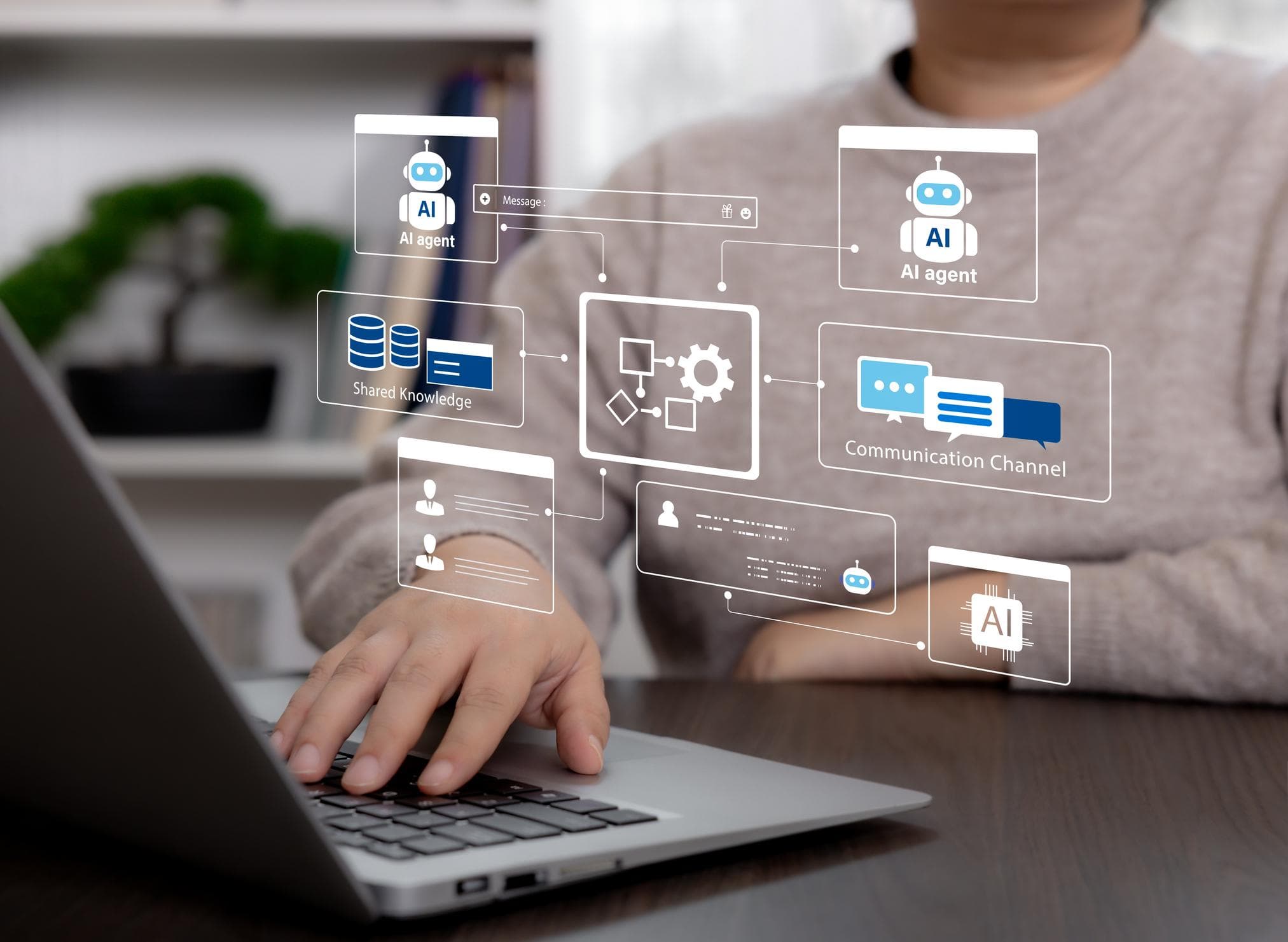 AI Agents
How AI Agents Are Transforming Enterprise Workflow Intelligence
AI agents autonomous systems that perceive their environment, reason about objectives, and take action across enterprise workflows are moving from research concept to operational reality. The enterprises deploying AI agents at scale are discovering that workflow intelligence is not just about automation it is about creating organisational capability that compounds with every cycle.
 Enterprise Management
The Future of Enterprise Management Through AI Execution Layers
Enterprise management is being restructured by AI execution layers intelligent systems that sit between strategic direction and operational action, translating intent into coordinated execution at a speed and consistency that human management hierarchies cannot match. The enterprises that deploy these layers effectively are redefining what management means and what managers do.
 Agentic AI
The Evolution of Enterprise Operations in the Age of Agentic AI
Agentic AI AI systems that pursue goals, take actions, and adapt to feedback without requiring step-by-step human instruction is not an incremental evolution of enterprise automation. It is a structural shift in what operational systems can do and what human operators are for.