The Rise of Autonomous Enterprise Operations Powered by AI Agents
AI agents are not chatbots with better memory. They are autonomous software entities that perceive their environment, make decisions, take actions, and learn from outcomes operating continuously across enterprise systems with a level of autonomy that no previous generation of enterprise software has approached.
Prince Kumar
Author
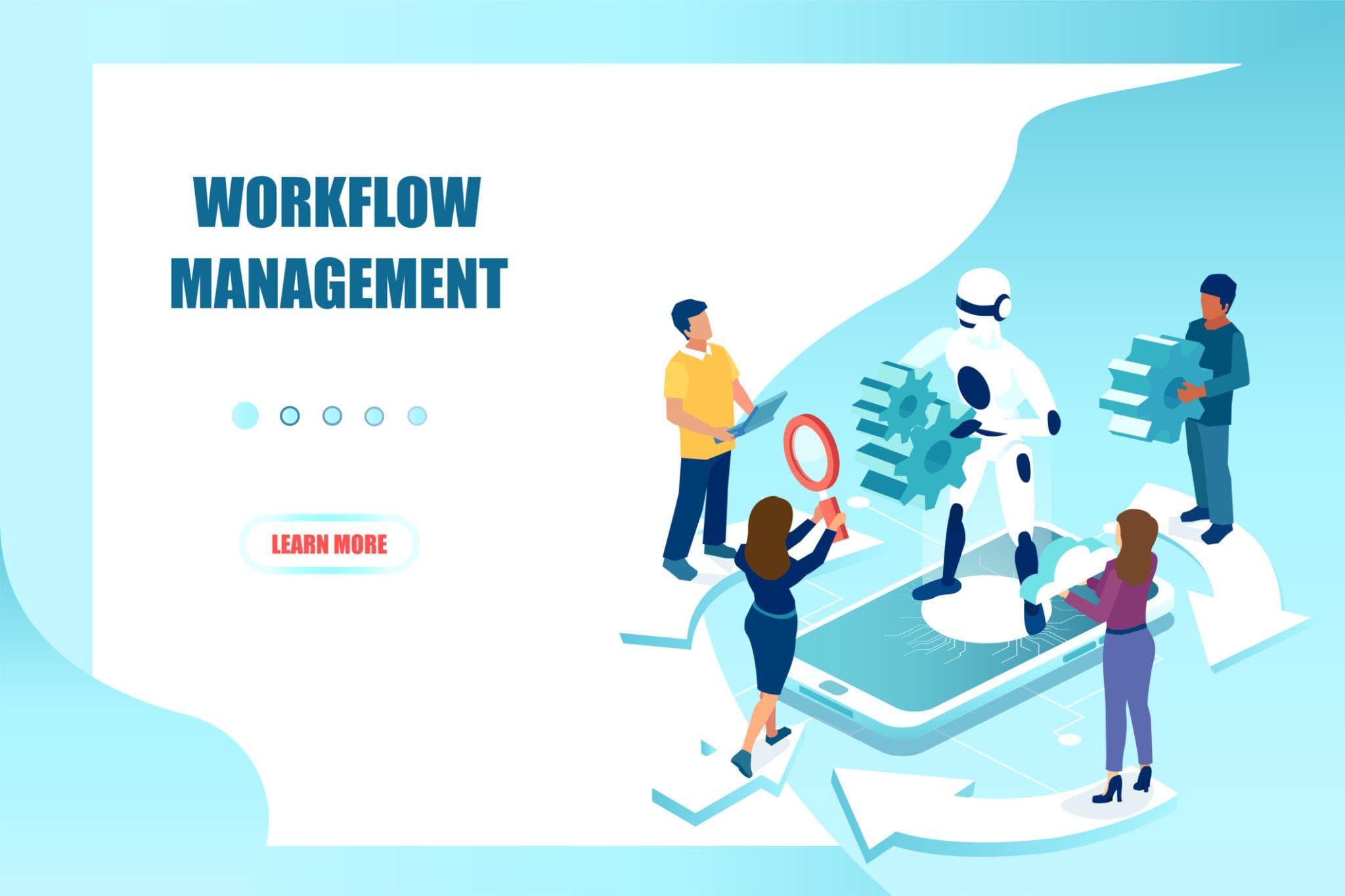
Three years ago, the term 'AI agent' was primarily used in academic papers on reinforcement learning and multi-agent systems. Today, it is the most consequential architectural concept in enterprise software. Enterprises across financial services, manufacturing, logistics, and professional services are deploying AI agents autonomous software entities that perceive the state of the enterprise, make decisions, take actions across multiple systems, and adapt their behaviour based on outcomes to operate processes that previously required continuous human management. The distinction between an AI agent and a conventional automation system is not subtle. A conventional automation system executes a predefined sequence of actions when triggered by a predefined event. An AI agent perceives its environment dynamically, assesses the current situation against its objectives, generates and evaluates possible actions, selects and executes the action most likely to achieve its objective, and adjusts its approach based on the result. It is not executing a script. It is pursuing a goal. This goal-directed autonomy the ability to operate in the gaps between predefined rules, handle novel situations, and adapt to changing conditions is what makes AI agents the architecture for the next generation of enterprise operations.
What AI Agents Can Do That Automation Cannot
The boundary between automation and agentic AI is defined by three capabilities that automation systems do not have and AI agents do. First, contextual judgment: automation systems execute if-then rules that were specified at design time. AI agents assess the current context the full state of the situation as it exists right now, with all its complexity and novelty and make a judgment about the best action given that context. A procurement automation rule that routes invoices above a certain value for human approval cannot handle the invoice that is below the threshold but comes from a new supplier with unverified credentials and contains line items that don't match the purchase order. An AI procurement agent assesses all of these signals simultaneously and makes a contextual judgment about whether this specific invoice warrants human review even if it falls below the value threshold. Second, multi-step planning: automation systems execute single actions in response to single triggers. AI agents can plan and execute multi-step sequences of actions to achieve a goal that may require coordinating across multiple systems, managing dependencies between steps, and adapting the plan when earlier steps produce unexpected results.Third, learning and adaptation: automation systems execute the same rules regardless of whether those rules are producing good outcomes. AI agents track the outcomes of their actions and update their decision-making to improve performance over time. An AI customer service agent that learns which resolution approaches produce the highest customer satisfaction scores and updates its response selection accordingly is continuously improving its performance without requiring human reprogramming. These three capabilities contextual judgment, multi-step planning, and learning define the frontier of what is automatable in enterprise operations. Every operational process that previously required human management because it involved novel situations, multi-step coordination, or continuous learning is now a candidate for AI agent deployment.
Four Enterprise Domains Where AI Agents Are Transforming Operations
Domain 1: Autonomous financial operations agents
Financial operations accounts payable, treasury management, financial close, and regulatory compliance involve high-volume, rule-intensive processes with significant exception handling requirements. AI agents deployed in financial operations can autonomously process invoices, match payments, resolve discrepancies, manage cash positioning across accounts, execute financial close procedures, and monitor regulatory compliance handling the full range of situations including exceptions that rule-based automation cannot process. A treasury management agent that monitors cash positions across multiple banks and currencies, executes transfers to optimise liquidity, hedges foreign exchange exposure within policy parameters, and escalates situations that require CFO judgment is not a theoretical future state. It is a deployed operational capability at leading financial institutions today.
Domain 2: Autonomous supply chain management agents
Supply chain management requires continuous monitoring of supplier performance, inventory levels, demand signals, and logistics status and continuous decision-making about purchase orders, production scheduling, inventory positioning, and logistics routing. The volume and velocity of these decisions in a global supply chain exceeds human management bandwidth. AI agents that monitor the full supply chain environment, identify emerging disruptions before they become operational events, autonomously adjust purchase orders and inventory targets based on demand signal changes, and coordinate logistics routing to optimise cost and delivery performance are reducing supply chain management overhead while improving supply chain performance. Enterprises deploying supply chain AI agents are reporting 15 to 25% reductions in inventory carrying costs alongside improvements in on-time delivery rates.
Domain 3: Autonomous IT operations agents
IT operations infrastructure monitoring, incident detection and response, capacity management, and security event handling is a domain where the volume of events requiring attention has long exceeded the capacity of human operations teams. AI agents operating in IT environments can monitor infrastructure health across thousands of systems simultaneously, detect anomalies that indicate developing failures, autonomously execute remediation actions for common incident types, manage capacity scaling in response to demand patterns, and coordinate complex multi-system incident responses with a speed and consistency that human teams cannot match. AIOps platforms deploying AI agents for IT operations are demonstrating 50 to 70% reductions in mean time to resolve for common incident types and significant reductions in the human attention required for routine operational management.
Domain 4: Autonomous customer engagement agents
Customer engagement managing the full lifecycle of the customer relationship from acquisition through retention involves thousands of daily micro-decisions about when to reach out to which customer, with what message, through what channel, with what offer. These decisions are individually low-stakes but collectively high-value, and their volume makes them impractical for human management at scale. AI agents that manage customer engagement autonomously detecting signals that indicate a customer is ready for an upsell, at risk of churning, or experiencing a service issue, and initiating the appropriate engagement action through the appropriate channel at the appropriate time are delivering measurable improvements in conversion rates, retention rates, and customer lifetime value across every industry where they have been deployed.
The Autonomous Operations Readiness Diagnostic
- Have you identified the operational domains in your enterprise where decision volume and variability makes human management the binding constraint on operational performance where more capable automation would directly translate into better business outcomes?
- Do you have the system integration architecture to give AI agents real-time read and write access to the enterprise systems they need to perceive their environment and execute their actions?
- Have you designed governance frameworks for autonomous agent operation defining the scope of autonomous action, the escalation criteria for human involvement, and the audit trail requirements for agent decisions?
- Do you have the monitoring and evaluation infrastructure to track agent performance against intended objectives, detect when agent behaviour is producing unintended outcomes, and intervene to correct agent behaviour when required?
- Have you assessed the workforce implications of autonomous operations deployment which roles will be most affected, how affected employees will be retrained and redeployed, and how the organisation will manage the transition from human-operated to agent-operated processes?
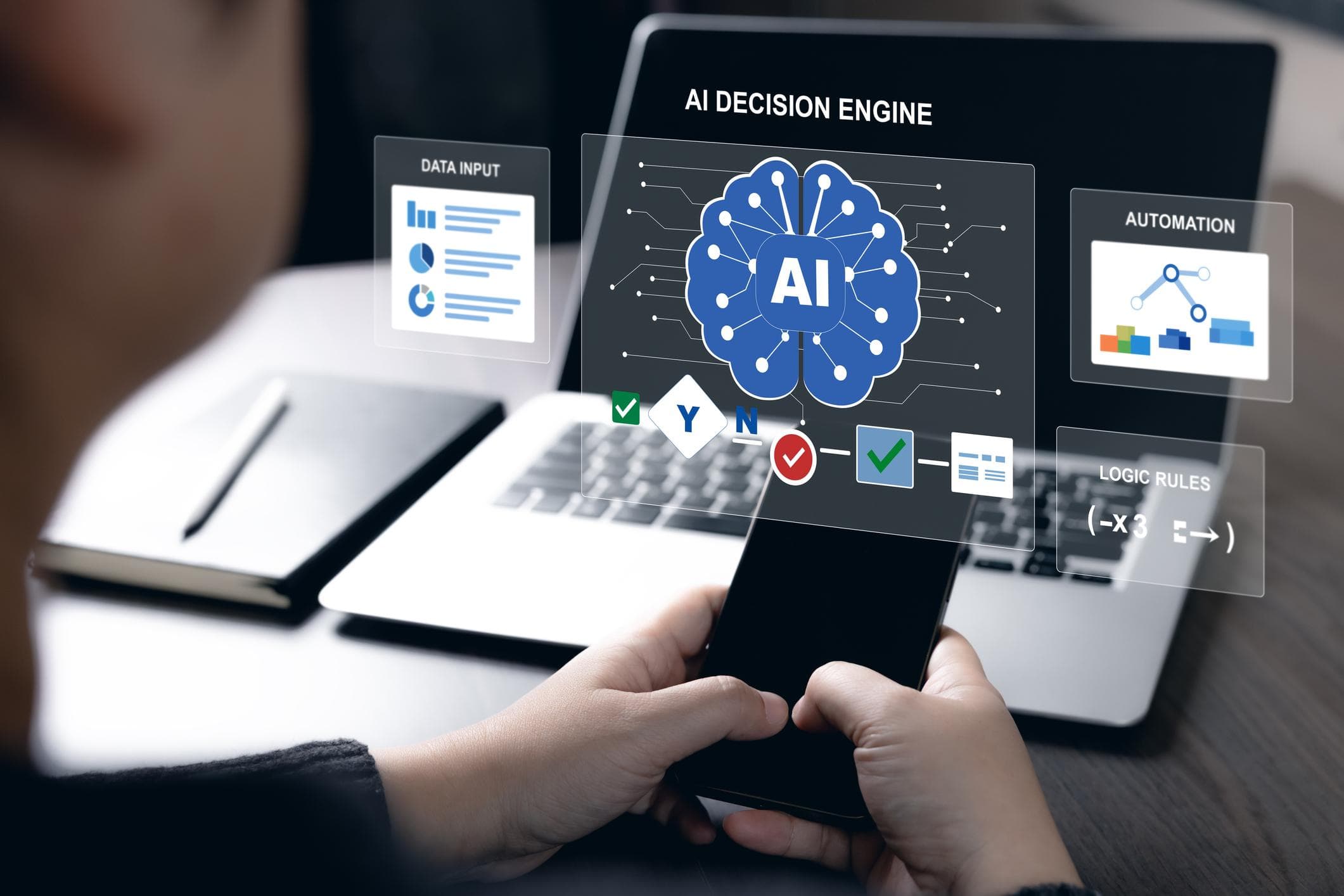
How Super Manager AGI Enables Real-Time Enterprise Decision Execution
Related articles
View all →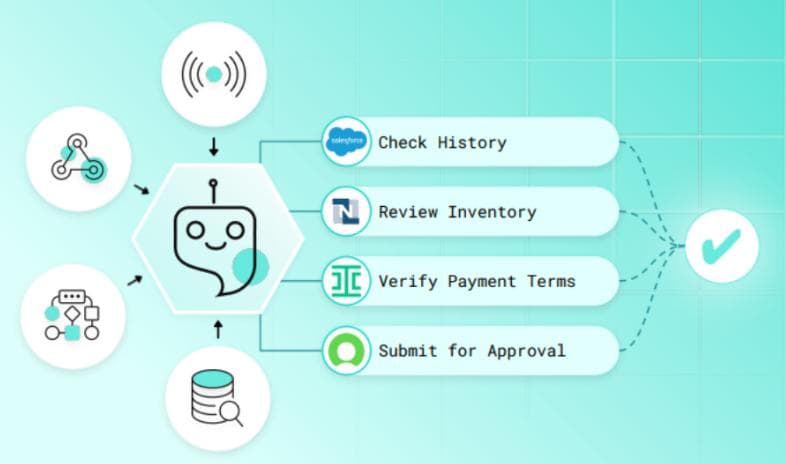 AI Execution
Why AI Execution Systems Will Define the Future of Enterprise Operations
The next frontier of enterprise competitive advantage is not strategy it is execution. AI execution systems that translate strategic intent into coordinated operational action, faster and more reliably than any human-managed process, are becoming the defining infrastructure of enterprise performance in every sector.
 Autonomous Coordination
The Rise of Autonomous Enterprise Coordination Platforms
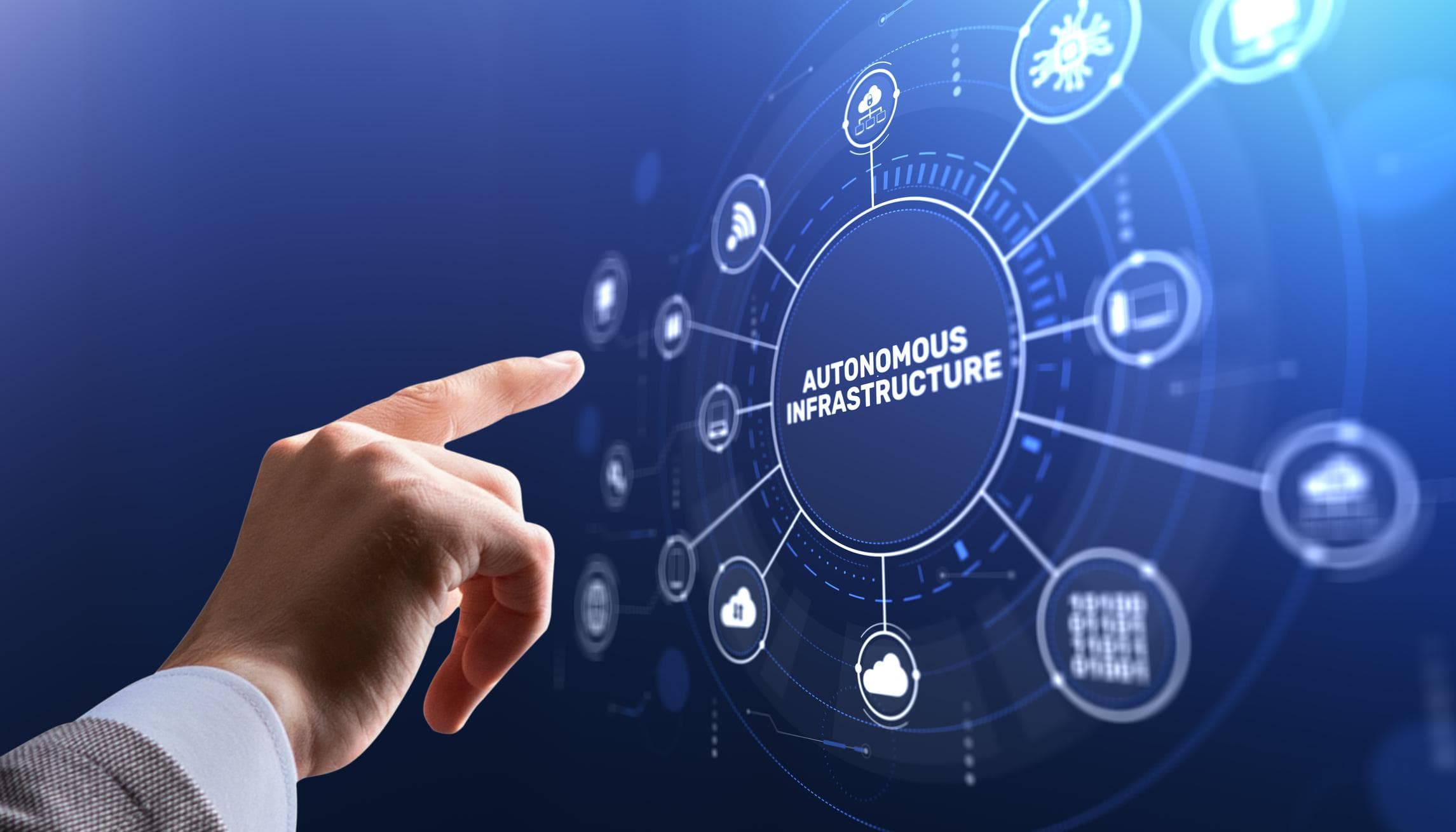
Enterprise coordination the alignment of people, processes, information, and resources across organisational boundaries has always been expensive, slow, and error-prone when managed through human intermediaries alone. Autonomous coordination platforms powered by AI are replacing the coordination overhead of large organisations with intelligent systems that synchronise the enterprise continuously and without manual intervention.
 AI Agents
How AI Agents Are Transforming Enterprise Workflow Intelligence
AI agents autonomous systems that perceive their environment, reason about objectives, and take action across enterprise workflows are moving from research concept to operational reality. The enterprises deploying AI agents at scale are discovering that workflow intelligence is not just about automation it is about creating organisational capability that compounds with every cycle.