The Impact of AI on Global Supply Chain Resilience
Global supply chains have been tested by disruptions that no spreadsheet model could have predicted. AI is giving enterprises the tools to anticipate, absorb, and adapt to supply chain shocks faster than ever before and the competitive gap between AI-enabled and traditional supply chain management is growing.
Aditya Sharma
Author
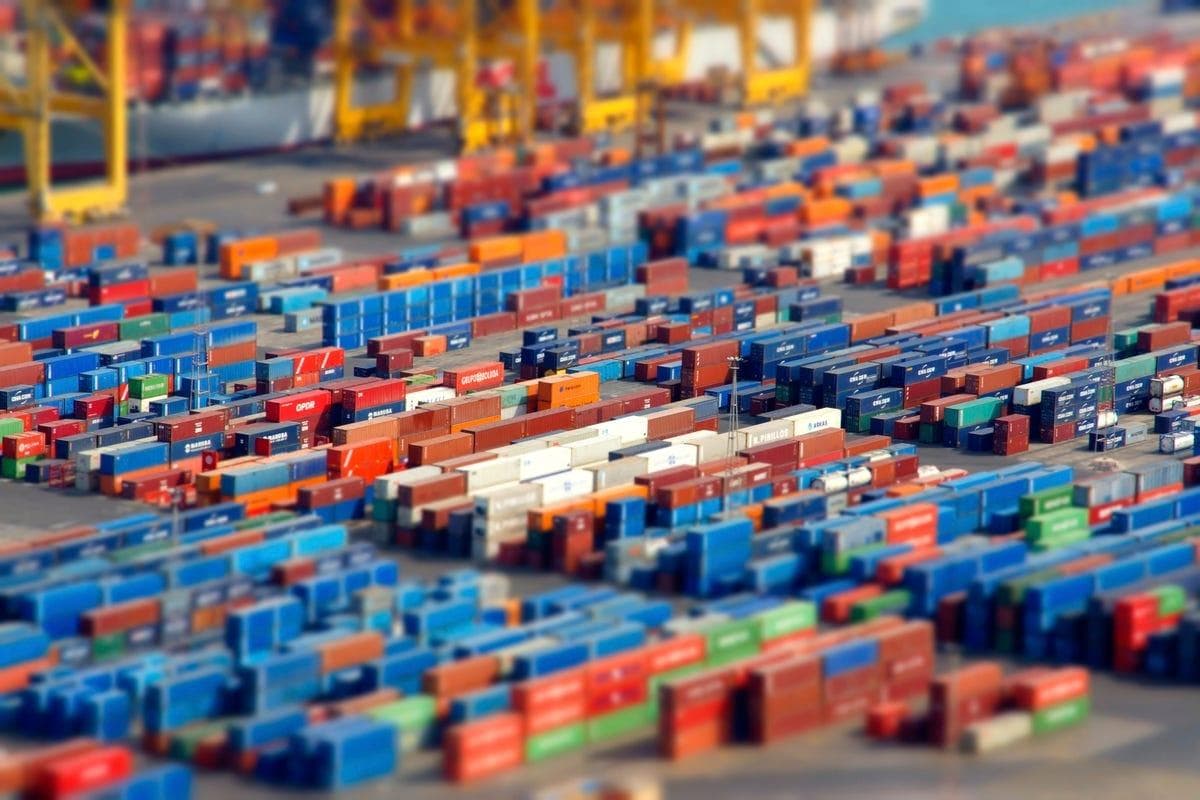
The last five years have demonstrated, repeatedly, that global supply chains are fragile in ways that traditional risk management frameworks failed to anticipate. Port congestion, semiconductor shortages, geopolitical disruptions, and demand volatility have created supply chain crises that cost enterprises billions in lost revenue, excess inventory, and expediting costs. AI is not a solution to the underlying complexity of global supply chains but it is a fundamentally more capable tool for managing that complexity in real time. Enterprises that have deployed AI-powered supply chain management are recovering from disruptions faster, holding less inventory with fewer stockouts, and making better sourcing decisions than those still operating on traditional planning systems.
Why Traditional Supply Chain Management Is Insufficient
Traditional supply chain planning systems were designed for a world of relatively stable demand, reliable suppliers, and predictable lead times. They optimise well within the assumptions they were built on but perform poorly when those assumptions are violated, which is increasingly the norm rather than the exception in global supply chains.The core limitation is latency: traditional systems operate on weekly or monthly planning cycles, process data from internal systems only, and produce plans that are already outdated by the time they are implemented. AI-powered systems operate in real time, integrate external data sources including supplier signals, logistics tracking, and geopolitical intelligence, and produce recommendations that reflect current conditions rather than last month's data.
Four AI Capabilities Strengthening Supply Chain Resilience
Capability 1: Demand sensing
AI demand sensing systems process real-time signals point-of-sale data, search trends, social signals, weather forecasts, and promotional calendars to produce demand forecasts that are more accurate and more current than statistical models based on historical data alone. Better demand signals reduce both excess inventory and stockout risk simultaneously.
Capability 2: Supply risk monitoring
AI systems continuously monitor supplier financial health, production capacity signals, logistics network conditions, and geopolitical developments to identify supply risks before they materialise as disruptions. This early warning capability gives enterprises the lead time to activate alternative suppliers, adjust inventory buffers, or reroute logistics before the disruption reaches the customer.
Capability 3: Dynamic inventory optimisation
AI inventory optimisation models adjust safety stock levels, reorder points, and replenishment quantities in real time based on current demand variability, supplier lead time performance, and supply risk assessments. This dynamic approach reduces inventory carrying costs while maintaining or improving service levels a trade-off that static safety stock models cannot achieve.
Capability 4: Disruption simulation and scenario planning
AI simulation tools allow supply chain teams to model the impact of potential disruptions a port closure, a supplier failure, a demand spike and evaluate response options before the disruption occurs. This scenario planning capability transforms supply chain risk management from reactive crisis response to proactive resilience design.
Supply Chain Resilience Diagnostic Questions
- What is your average recovery time from a significant supply disruption? Above 30 days indicates a supply chain that lacks the flexibility and visibility to respond quickly.
- What percentage of your supply base is monitored for financial health and operational risk on a continuous basis? Below 60% means the majority of your supplier risk is invisible until a disruption occurs.
- How accurate are your 12-week demand forecasts at the SKU level? Forecast error above 20% at the SKU level indicates a demand sensing capability that needs AI augmentation.
- Do you have pre-qualified alternative suppliers for your highest-criticality components and materials? Without this, every primary supplier failure becomes a crisis rather than a managed event.
- Can your supply chain planning system incorporate and respond to external signals logistics disruptions, supplier capacity changes, geopolitical events within 24 hours? If not, your planning system is operating with significant information latency.
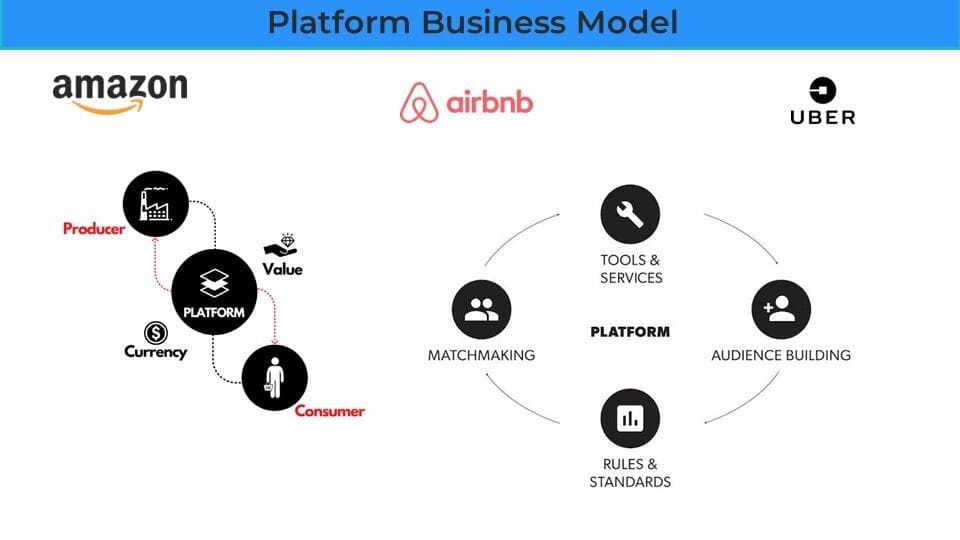
How Digital Platforms Are Changing Enterprise Revenue Models
Related articles
View all →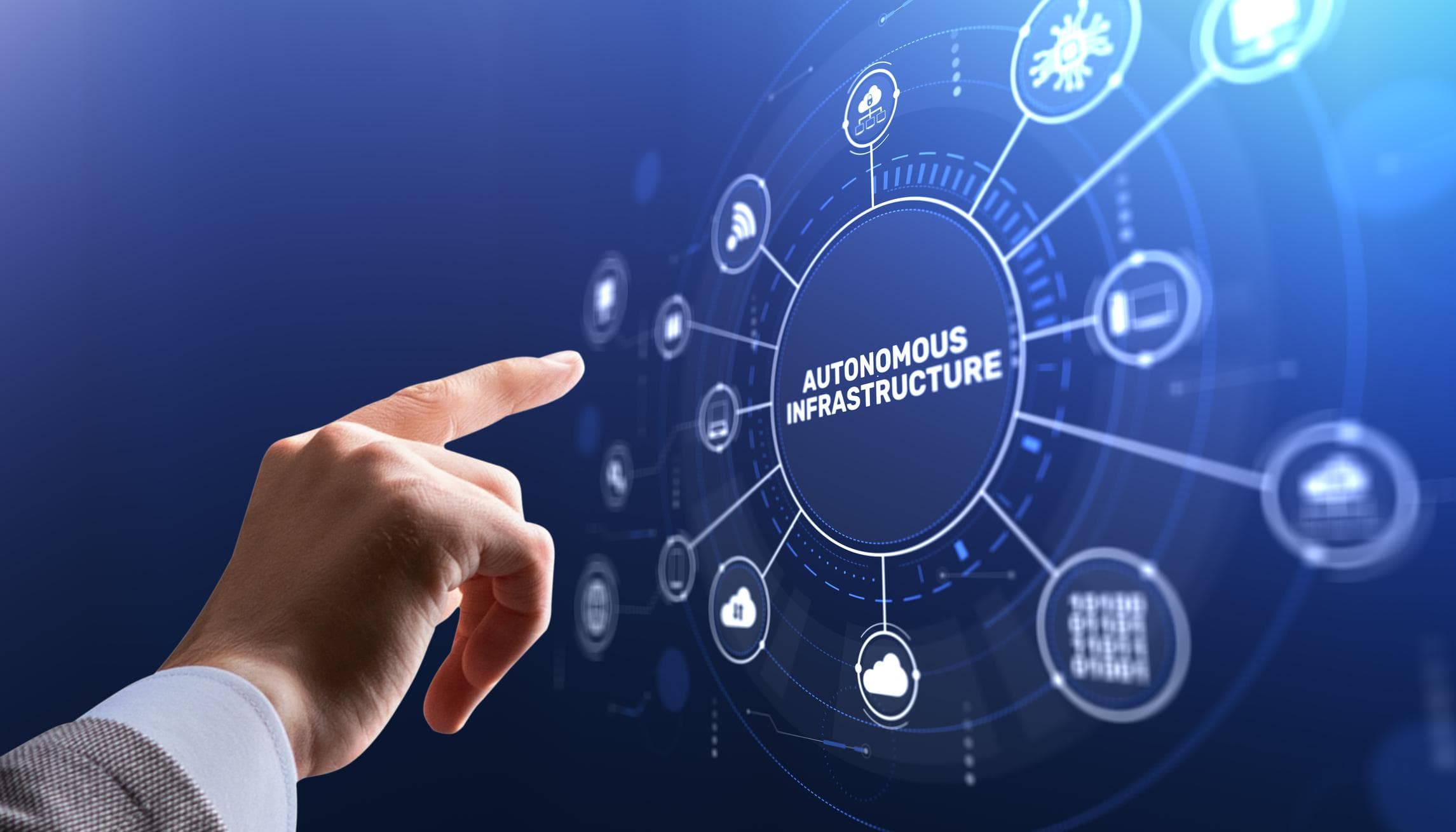 Autonomous Coordination
The Rise of Autonomous Enterprise Coordination Platforms
Enterprise coordination the alignment of people, processes, information, and resources across organisational boundaries has always been expensive, slow, and error-prone when managed through human intermediaries alone. Autonomous coordination platforms powered by AI are replacing the coordination overhead of large organisations with intelligent systems that synchronise the enterprise continuously and without manual intervention.
 AI Agents
How AI Agents Are Transforming Enterprise Workflow Intelligence
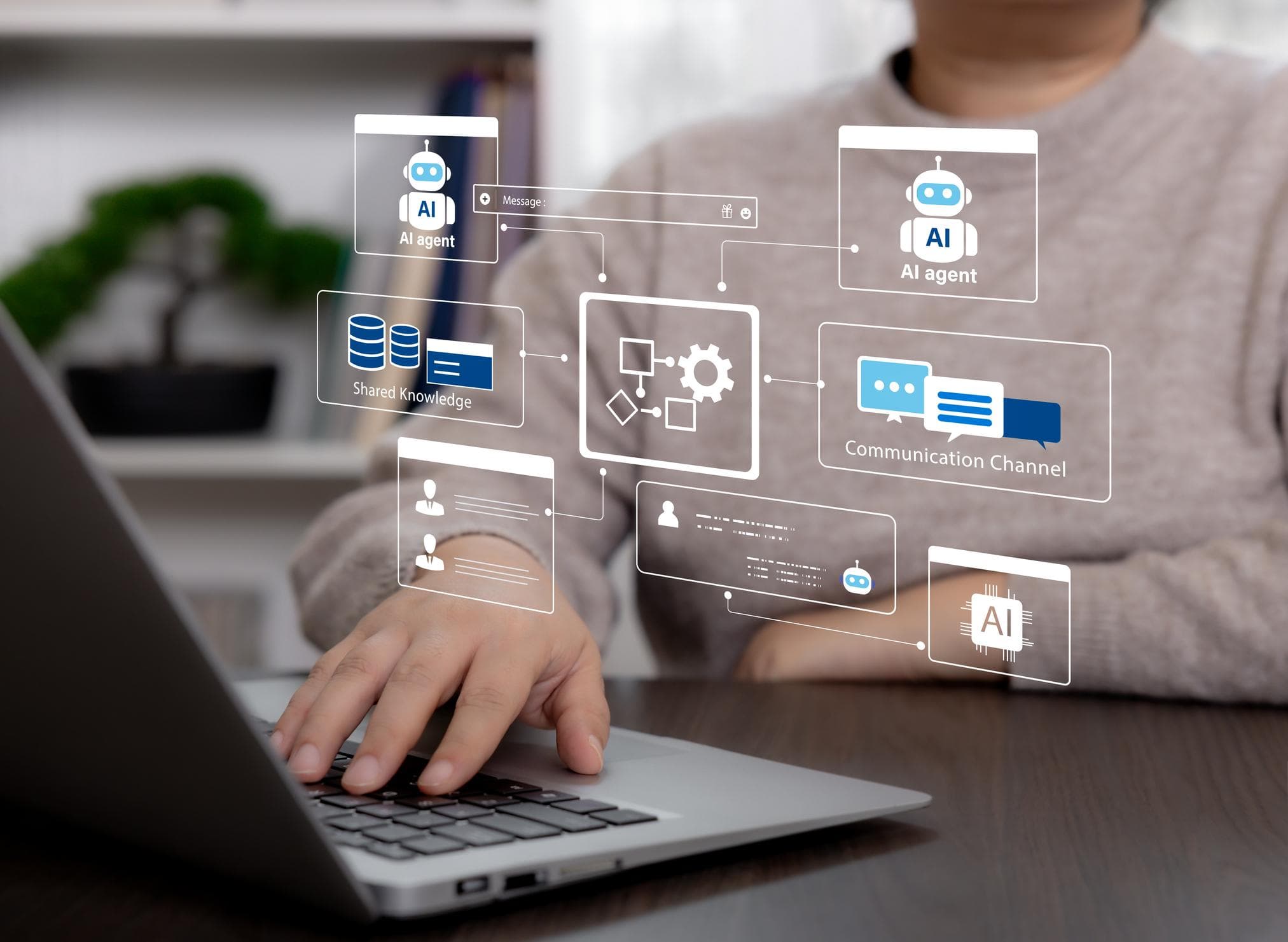
AI agents autonomous systems that perceive their environment, reason about objectives, and take action across enterprise workflows are moving from research concept to operational reality. The enterprises deploying AI agents at scale are discovering that workflow intelligence is not just about automation it is about creating organisational capability that compounds with every cycle.
 AI-Native Infrastructure
Why Global Enterprises Need AI-Native Operational Infrastructure
The operational infrastructure that global enterprises built in the pre-AI era was designed for a different competitive environment. Enterprises that try to layer AI on top of legacy operational infrastructure will capture a fraction of AI's potential. The ones that rebuild their operational foundations as AI-native will gain structural advantages their competitors cannot close.