The New Growth Stack: Ads + Retail + Quick Commerce Combined
The growth playbook that built Indian D2C brands from 2018 to 2022 performance ads driving website traffic, marketplace listings capturing demand is no longer sufficient. The brands growing fastest in 2026 are running a different stack: performance marketing, retail shelf presence, and quick commerce distribution working in combination, each amplifying the others.
Manroze
Author
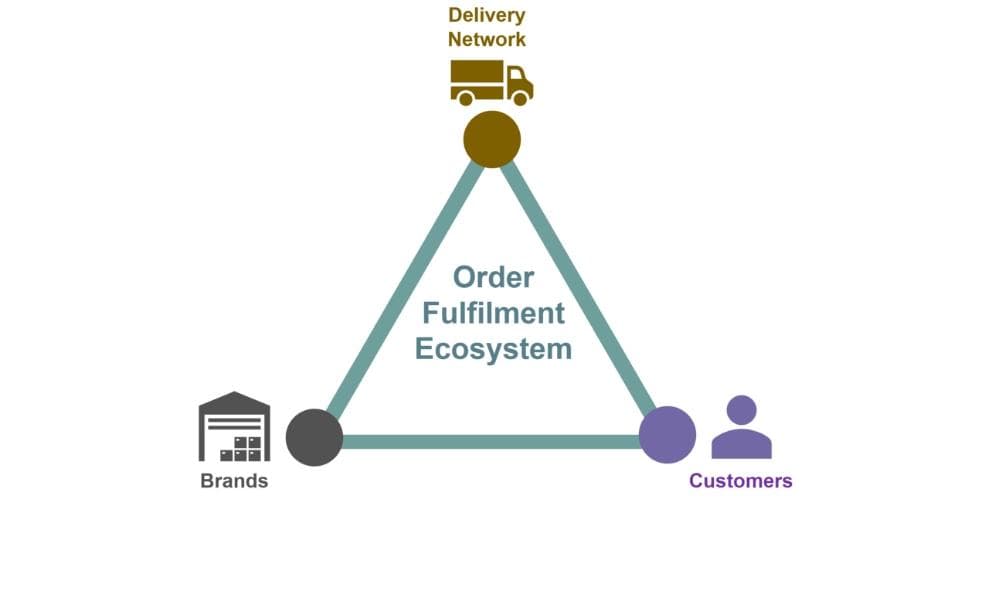
A supplements brand doing ₹45 lakh monthly revenue in January 2025 made three simultaneous decisions: it doubled its retail presence from 200 to 450 outlets in its home city, onboarded to Blinkit and Zepto for quick commerce availability of its top three SKUs, and restructured its Meta advertising to run awareness campaigns referencing local retail availability alongside its direct conversion campaigns. By December 2025, monthly revenue was ₹1.4 crore. The retail contribution was 35% of revenue. Quick commerce was 18%. Direct and marketplace combined was 47%. More importantly, the CAC on direct and marketplace had decreased because retail and quick commerce presence was creating organic brand familiarity that reduced the cognitive barrier to purchase through digital channels. The three channels were not running in parallel. They were compounding each other. This is the new growth stack and understanding why it works is the most important strategic insight available to D2C founders in 2026.
Why Single-Channel Growth Has a Ceiling
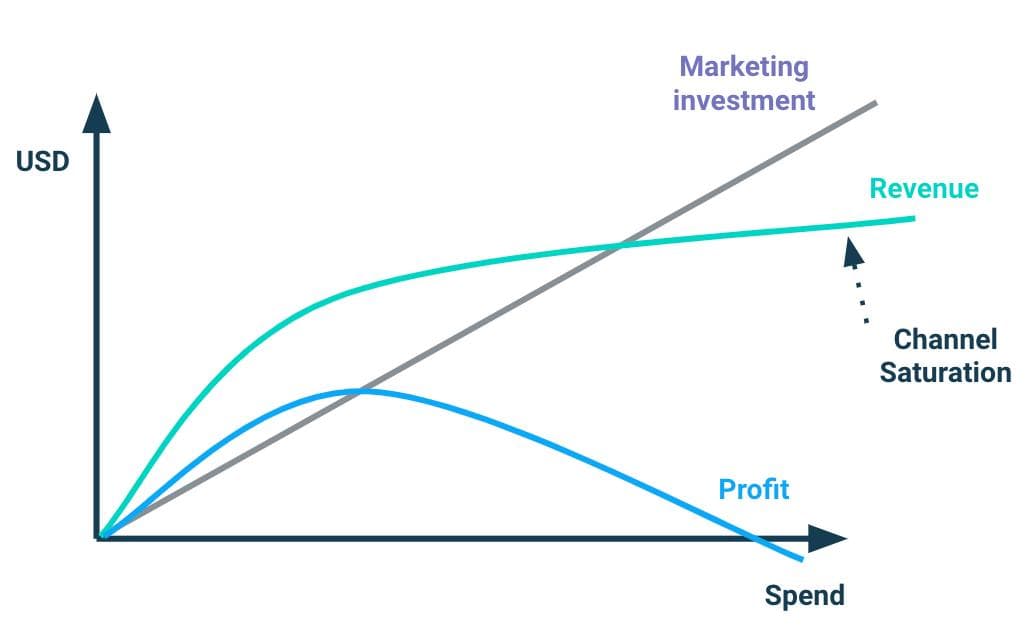
Every growth channel has a saturation curve a point at which the incremental return from additional investment in that channel begins to diminish. For performance advertising, saturation manifests as rising CPM and CPC costs as the brand exhausts its most responsive audience segments and competes for the attention of audiences that are less predisposed to purchase. For retail, saturation manifests as diminishing returns from adding outlets in the same geography after the most accessible and highest-footfall locations are covered. For quick commerce, saturation manifests as the limited incremental value of being in the fifth quick commerce platform when the first two already cover the majority of target consumer density.Single-channel brands hit their saturation curve earlier and harder than multi-channel brands because when one channel softens, there is no other channel generating the compound effect that keeps overall growth momentum positive. The growth ceiling of a pure performance marketing brand is defined by the CAC-to-LTV economics of that channel. The growth ceiling of a brand running ads, retail, and quick commerce in combination is higher because each channel creates demand signals that other channels can capture.
How the Three Channels Compound Each Other
The compounding mechanism of the ads-retail-quick commerce stack operates through three specific reinforcement loops. The first is awareness-to-availability: performance advertising creates brand awareness and purchase intent, which converts at higher rates when the consumer can fulfil that intent immediately through a nearby retail outlet or ten-minute quick commerce delivery rather than waiting two to five days for an e-commerce order. Brands with retail and quick commerce presence convert the awareness generated by their advertising at higher rates than brands with digital-only fulfilment.The second loop is discovery-to-purchase: retail shelf presence and quick commerce listing create discovery opportunities for consumers who were not exposed to the brand's advertising impulse purchase at the pharmacy shelf, browsing the Blinkit health category. These discoveries convert into repeat purchases through digital channels, where the convenience is higher and the loyalty programme engagement is possible. The third loop is social proof amplification: a brand that consumers encounter across multiple channels seeing the Instagram ad, noticing the product on a Zepto order, spotting it on a pharmacy shelf builds the kind of ambient familiarity that reduces the perceived risk of a first purchase and increases the review generation rate that fuels AI search visibility.
Building the Stack: Sequence and Investment Logic
The sequence in which the growth stack is built matters as much as the composition. Brands that attempt to launch retail and quick commerce at the same time as scaling performance advertising typically do so without the operational infrastructure inventory management, fulfilment coordination, pricing governance to execute all three channels well simultaneously. The result is mediocre execution across all three rather than excellent execution in any one.The most effective sequencing is to establish a strong direct and marketplace digital presence first sufficient to demonstrate product-market fit, generate the review volume that retail buyers require, and build the operations infrastructure to handle growing order volume. Then introduce quick commerce with a focused SKU set (two to three top-performing SKUs) in target geographies, using the quick commerce presence to test retail demand in specific pin codes before committing to physical retail infrastructure. Use the combined digital and quick commerce presence as proof of consumer demand to negotiate retail placement with pharmacy chains, modern trade, and general trade distributors. This sequence builds the growth stack in the order that minimises operational risk while maximising the compounding effect of each channel addition.
Related articles
View all → AI
AIThe Future of AI-Powered Digital Marketplaces
Digital marketplaces are evolving from transactional platforms into intelligent commerce ecosystems. AI is reshaping how buyers discover products, how sellers manage operations, and how platforms create value for everyone in the ecosystem and the pace of this transformation is accelerating.
 Logistics
The Future of Smart Logistics and Autonomous Delivery Systems
Autonomous vehicles, drone delivery, AI-powered routing, and real-time supply chain visibility are moving from pilot projects to operational infrastructure. The logistics industry is undergoing its most significant transformation since containerisation and the businesses that adapt earliest will define the next era of commerce.
 Technology
How Technology Will Redefine Enterprise Competitiveness
The sources of competitive advantage are shifting. In every industry, technology is redefining what it means to be the best and the enterprises that understand this shift are repositioning their strategies accordingly.