Why Intelligent Platforms Will Replace Traditional Business Software
Traditional business software built around fixed workflows, manual data entry, and periodic reporting is being displaced by intelligent platforms that adapt, learn, and operate with a level of autonomy that changes what software is capable of doing for enterprises.
Manroze
Author

The enterprise software market was built on a simple value proposition: take a business process, define the workflow, build a system that executes that workflow consistently, and sell it to every enterprise that runs the same process. This model produced enormous value ERP systems, CRM platforms, accounting software, project management tools by replacing manual, inconsistent process execution with systematic, reliable software. The limitation of this model is that it encodes a fixed version of the process. When the process needs to change, the software needs to change a slow, expensive cycle that creates the legendary rigidity of enterprise software. Intelligent platforms break this constraint by replacing fixed workflow encoding with adaptive intelligence. Instead of encoding a specific process, an intelligent platform understands the goal of the process and finds the most effective path to achieving it based on current conditions. The implications of this shift for enterprise operations, for software vendors, and for the IT investment decisions of enterprise leadership are significant and accelerating.
What Makes a Platform Intelligent
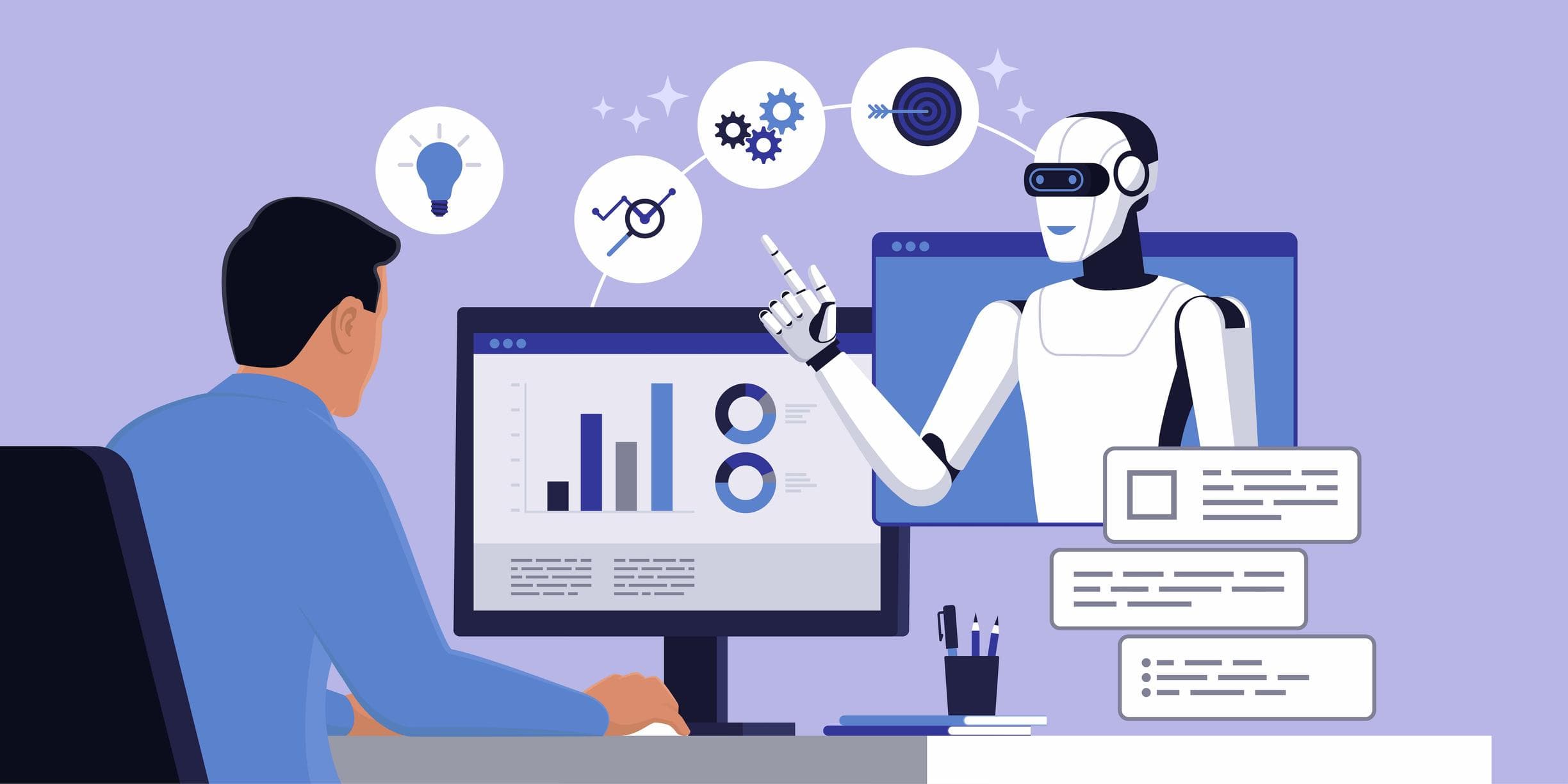
The distinction between traditional business software and an intelligent platform is not primarily a feature list. It is an architectural difference in how the system relates to the work it supports. Traditional business software is a tool: it does what the user instructs it to do, within the parameters it has been configured to support. An intelligent platform is an agent: it understands the objective, monitors the relevant context, identifies the optimal actions given current conditions, and either executes those actions autonomously or surfaces recommendations for human decision-makers.This architectural difference produces practical distinctions that are visible in daily operation. Traditional CRM software records customer interactions and prompts salespeople to follow up based on configured schedules. An intelligent sales platform analyses deal data across the pipeline, identifies which deals are at risk based on engagement patterns, surfaces the specific actions most likely to advance each deal, and drafts the follow-up communications for salesperson review. The first is a record-keeping system with reminders. The second is an intelligent collaborator that amplifies the effectiveness of the sales team.
The Transition from Traditional Software to Intelligent Platforms
Why the Transition Is Accelerating
The transition from traditional business software to intelligent platforms is accelerating for three reinforcing reasons. First, the underlying AI technology large language models, computer vision, predictive analytics has reached a maturity and cost point where embedding intelligence in business software is economically viable at scale. Second, enterprise expectations have shifted: having seen what AI can do in consumer applications, enterprise users increasingly expect the software they use at work to be as adaptive and intelligent as the tools they use in their personal lives. Third, competitive pressure is creating urgency: the enterprise using an intelligent platform in a key business function has an operational advantage over the competitor using traditional software, and that advantage compounds over time.
Managing the Transition
The transition from traditional business software to intelligent platforms is not instantaneous, and the management challenges are real. Data quality is a prerequisite: intelligent platforms require clean, connected data to function effectively, and most enterprises have significant data quality and integration work to do before intelligent platforms can deliver their full potential. Change management is significant: moving from a tool that does what users tell it to do, to a platform that autonomously recommends and executes actions, requires a shift in how users relate to their software. And vendor evaluation becomes more complex: the intelligent platform market is less mature and more differentiated than the traditional software market, requiring more careful evaluation of vendor AI capability, data handling practices, and implementation support.
Intelligent Platform Evaluation Questions
- Which of your current business software tools are primarily record-keeping and workflow management systems and what intelligent platform alternatives exist in those categories?
- What is the data quality and integration status of the data sources that an intelligent platform in your highest-priority function would require to operate effectively?
- Have you evaluated the AI capability of your current software vendors and do they have a credible roadmap for intelligent platform capabilities, or are they at risk of displacement?
- What would an intelligent platform need to demonstrate in a pilot to justify full deployment and what is your process for running a structured evaluation?
- What change management investment is required to transition your team from a tool-user mindset to an intelligent-platform-collaborator mindset?
Related articles
View all → Autonomous Coordination
The Rise of Autonomous Enterprise Coordination Platforms
Enterprise coordination the alignment of people, processes, information, and resources across organisational boundaries has always been expensive, slow, and error-prone when managed through human intermediaries alone. Autonomous coordination platforms powered by AI are replacing the coordination overhead of large organisations with intelligent systems that synchronise the enterprise continuously and without manual intervention.
 AI Agents
How AI Agents Are Transforming Enterprise Workflow Intelligence
AI agents autonomous systems that perceive their environment, reason about objectives, and take action across enterprise workflows are moving from research concept to operational reality. The enterprises deploying AI agents at scale are discovering that workflow intelligence is not just about automation it is about creating organisational capability that compounds with every cycle.
 AI-Native Infrastructure
Why Global Enterprises Need AI-Native Operational Infrastructure
The operational infrastructure that global enterprises built in the pre-AI era was designed for a different competitive environment. Enterprises that try to layer AI on top of legacy operational infrastructure will capture a fraction of AI's potential. The ones that rebuild their operational foundations as AI-native will gain structural advantages their competitors cannot close.