AI-Powered Market Intelligence for Enterprise Strategy
The quality of strategic decisions is a direct function of the quality of market intelligence available to decision-makers. AI is transforming how enterprises gather, process, and act on market intelligence compressing the time from signal to insight and enabling a level of analytical depth that manual research processes cannot match.
Manroze
Author

Strategic decisions are only as good as the intelligence they are based on. For most enterprises, market intelligence is gathered through a combination of commissioned research, analyst reports, competitive monitoring tools, and internal data analysis all of which share a common limitation: they are slow, expensive, and incomplete. AI-powered market intelligence platforms change this equation fundamentally by synthesising signals from thousands of sources in real time, identifying patterns and trends that human analysts would miss, and delivering intelligence in formats that are immediately actionable for strategic decision-making. The enterprises that build AI-powered market intelligence capabilities gain a systematic information advantage over competitors still relying on traditional research methods.
Why Traditional Market Intelligence Is Insufficient for Strategic Advantage
Traditional market intelligence processes are characterised by high latency (commissioned research takes weeks or months), high cost (analyst time is expensive and limited), and narrow coverage (human researchers can only monitor a finite number of signals). The result is market intelligence that is backward-looking, incomplete, and often delivered too slowly to inform the decisions it was intended to support.AI-powered market intelligence eliminates all three constraints simultaneously: it processes signals in real time, scales to cover orders of magnitude more sources than human researchers, and decreases in cost per insight as the system matures. The competitive intelligence, customer signal, and market trend analysis that once required teams of analysts can now be produced continuously by AI systems at a fraction of the cost.
Four Applications of AI Market Intelligence in Enterprise Strategy
Application 1: Competitive intelligence at scale
AI systems can continuously monitor competitor product launches, pricing changes, hiring signals, patent filings, customer reviews, and public financial data synthesising these signals into competitive intelligence that gives strategy teams a real-time view of competitor activity. The depth and currency of this intelligence is impossible to match with human-only research processes.
Application 2: Customer signal synthesis
AI market intelligence systems aggregate and analyse customer signals from review platforms, social media, support interactions, and survey data at a scale and speed that manual analysis cannot achieve. The result is a continuous, synthesised view of customer sentiment, emerging needs, and satisfaction drivers that informs product development, marketing, and customer experience strategy.
Application 3: Market trend identification
AI systems identify emerging market trends by analysing patterns across search data, academic research, patent activity, regulatory filings, and industry publications often months before these trends become visible in traditional market research. This early trend identification gives enterprises the lead time to position strategically before trends become obvious to all competitors.
Application 4: Strategic scenario modelling
AI market intelligence platforms can model the strategic implications of market scenarios a competitor entering a new segment, a regulatory change, a technology shift using data from analogous historical situations and current market signals. This scenario modelling capability improves the quality of strategic planning by grounding it in data rather than assumption.
Market Intelligence Diagnostic Questions
- How long does it take your strategy team to produce a comprehensive competitive analysis for a specific market segment? Above three weeks indicates a research process that AI can compress significantly.
- What percentage of your strategic decisions are informed by market intelligence that is less than 30 days old? Below 60% indicates that most strategic decisions are based on information that may no longer reflect current market reality.
- Do you have continuous monitoring of competitor activity product changes, pricing, hiring signals, customer reviews that surfaces alerts in real time? Without it, competitive intelligence is a periodic activity rather than a continuous capability.
- How many external data sources does your current market intelligence process systematically cover? Below 20 sources indicates significant blind spots in your market visibility.
- Can your strategy team model the implications of a specific market scenario a new entrant, a regulatory change, a technology shift in less than a week? Above one week indicates a scenario planning capability that is constraining strategic agility.
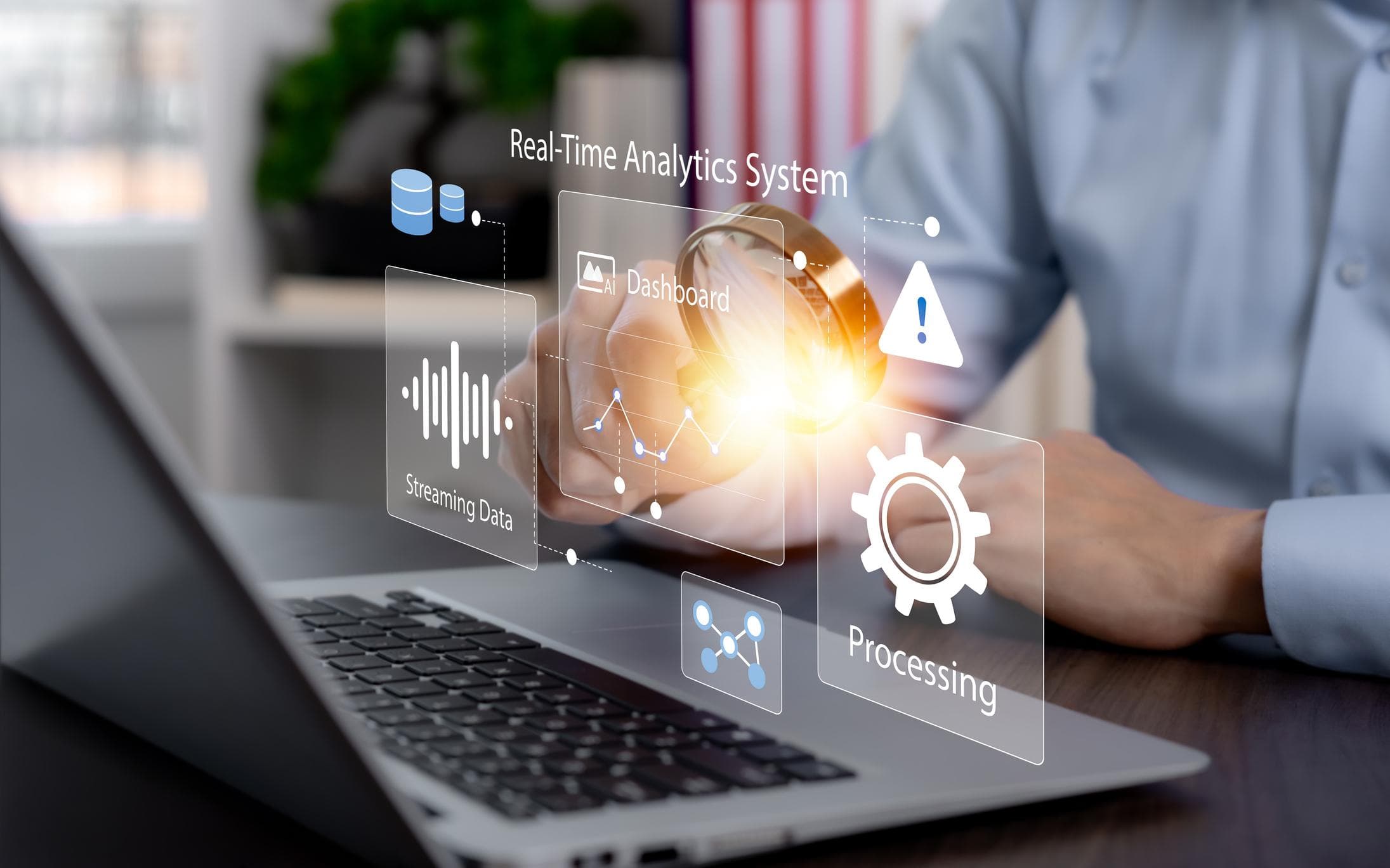
Why Real-Time Analytics Will Replace Traditional Business Intelligence
Related articles
View all →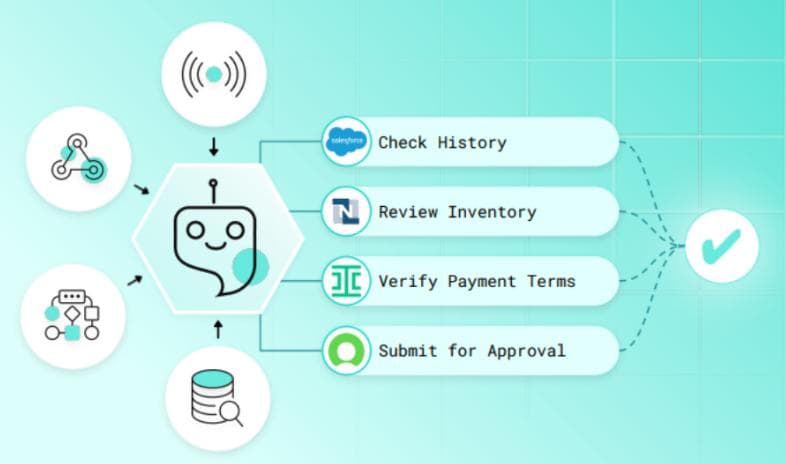 AI Execution
Why AI Execution Systems Will Define the Future of Enterprise Operations
The next frontier of enterprise competitive advantage is not strategy it is execution. AI execution systems that translate strategic intent into coordinated operational action, faster and more reliably than any human-managed process, are becoming the defining infrastructure of enterprise performance in every sector.
 Autonomous Coordination
The Rise of Autonomous Enterprise Coordination Platforms
Enterprise coordination the alignment of people, processes, information, and resources across organisational boundaries has always been expensive, slow, and error-prone when managed through human intermediaries alone. Autonomous coordination platforms powered by AI are replacing the coordination overhead of large organisations with intelligent systems that synchronise the enterprise continuously and without manual intervention.
 AI Agents
How AI Agents Are Transforming Enterprise Workflow Intelligence
AI agents autonomous systems that perceive their environment, reason about objectives, and take action across enterprise workflows are moving from research concept to operational reality. The enterprises deploying AI agents at scale are discovering that workflow intelligence is not just about automation it is about creating organisational capability that compounds with every cycle.