How AI Will Revolutionize Enterprise Procurement Processes
Enterprise procurement is one of the last major business functions to be transformed by AI. The companies that move first will gain significant cost, speed, and risk advantages over those that continue to manage procurement through manual processes and disconnected systems.
Manroze
Author
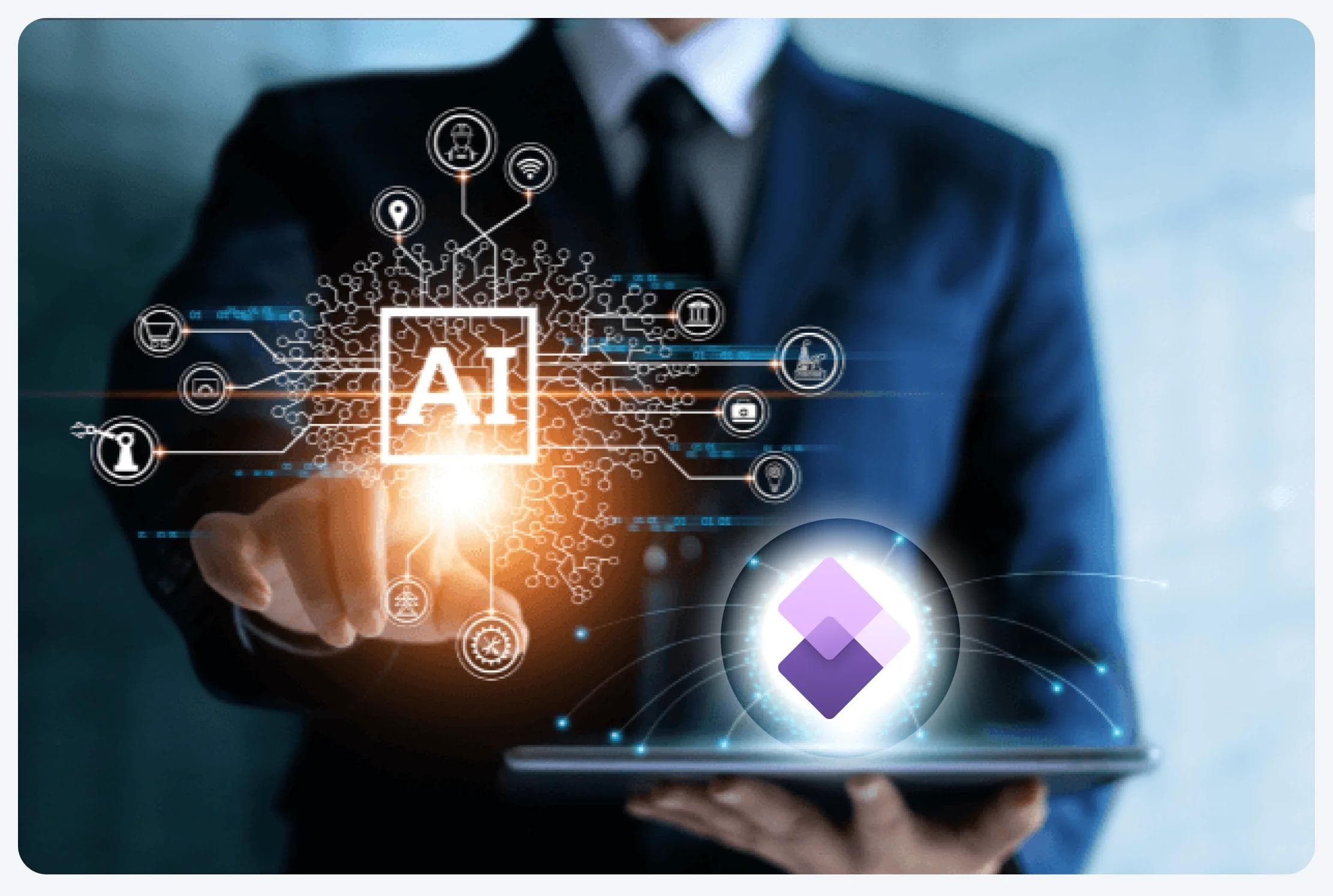
Procurement in most large enterprises is a function characterised by high manual effort, fragmented supplier data, slow approval cycles, and limited visibility into spend patterns and supplier risk. AI is changing all of this not incrementally, but structurally. From intelligent supplier discovery and automated RFQ processing to real-time spend analytics and AI-driven contract risk assessment, the enterprise procurement function is being rebuilt from the ground up. The companies that lead this transformation will not just reduce procurement costs they will gain a strategic advantage in supplier relationships, supply chain resilience, and capital efficiency.
The Procurement Problem AI Is Solving
Traditional enterprise procurement processes are slow by design built around manual approvals, paper-based documentation, and periodic rather than continuous supplier evaluation. The result is a function that consumes significant resources while delivering limited strategic value. Procurement teams spend more time processing purchase orders than analysing spend data or building strategic supplier relationships.AI transforms procurement by automating the transactional layer PO processing, invoice matching, approval routing and redirecting procurement talent toward supplier strategy, risk management, and cost optimisation. The AI layer also provides the spend intelligence that manual processes cannot: real-time visibility into category spend, supplier performance trends, and contract compliance.
Four AI Applications Reshaping Enterprise Procurement
Application 1: Intelligent spend analytics
AI-powered spend analytics platforms classify and analyse procurement data across all categories, suppliers, and business units in real time identifying savings opportunities, maverick spend, and consolidation possibilities that manual analysis would take weeks to surface. The result is a procurement function with continuous rather than periodic visibility into spend performance.
Application 2: Supplier risk intelligence
AI systems monitor supplier financial health, geopolitical risk exposure, delivery performance, and ESG compliance continuously flagging emerging risks before they become supply disruptions. This capability shifts supplier risk management from reactive to predictive.
Application 3: Automated contract analysis
AI contract analysis tools review supplier agreements at scale identifying unfavourable terms, missed renewal windows, compliance gaps, and benchmarking contract terms against market standards. For enterprises managing hundreds of supplier contracts, this capability dramatically reduces legal risk and improves contract value realisation.
Application 4: Demand forecasting integration
AI procurement systems that integrate with demand forecasting models can optimise purchase timing, quantities, and supplier selection in real time reducing inventory carrying costs, avoiding stockouts, and capturing early payment discounts. This integration closes the gap between procurement and operations that most enterprises have never been able to bridge manually.
Procurement Diagnostic Questions
- What percentage of your procurement spend is fully visible in a single system with real-time reporting? Below 70% indicates significant spend that is unmanaged and unoptimised.
- How long does your average purchase order cycle take from requisition to approval? Above five days indicates an approval process that is constraining operational efficiency.
- Do you have real-time visibility into supplier financial health and delivery performance? Without it, your supplier risk management is reactive rather than predictive.
- What percentage of your procurement contracts are actively monitored for compliance and renewal dates? Below 80% indicates contract value leakage.
- How much of your procurement team's time is spent on transactional processing versus strategic supplier management? The ratio should shift significantly toward strategic work as AI handles the transactional layer.
The Future of Predictive Maintenance in Smart Industries
Related articles
View all →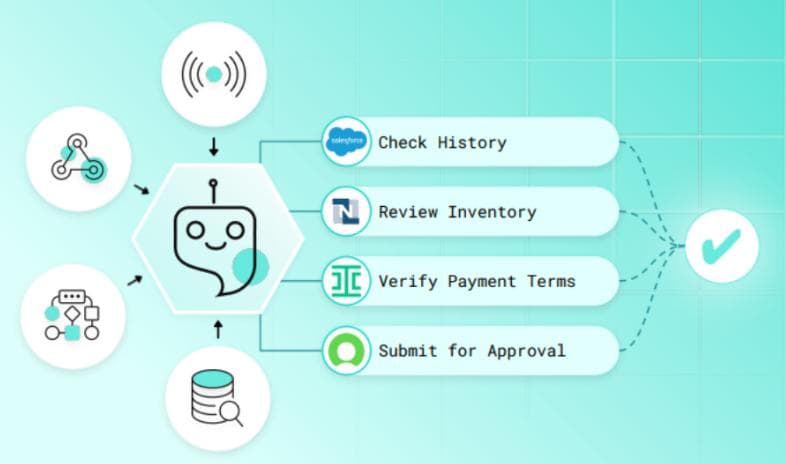 AI Execution
Why AI Execution Systems Will Define the Future of Enterprise Operations
The next frontier of enterprise competitive advantage is not strategy it is execution. AI execution systems that translate strategic intent into coordinated operational action, faster and more reliably than any human-managed process, are becoming the defining infrastructure of enterprise performance in every sector.
 Autonomous Coordination
The Rise of Autonomous Enterprise Coordination Platforms
Enterprise coordination the alignment of people, processes, information, and resources across organisational boundaries has always been expensive, slow, and error-prone when managed through human intermediaries alone. Autonomous coordination platforms powered by AI are replacing the coordination overhead of large organisations with intelligent systems that synchronise the enterprise continuously and without manual intervention.
 AI Agents
How AI Agents Are Transforming Enterprise Workflow Intelligence
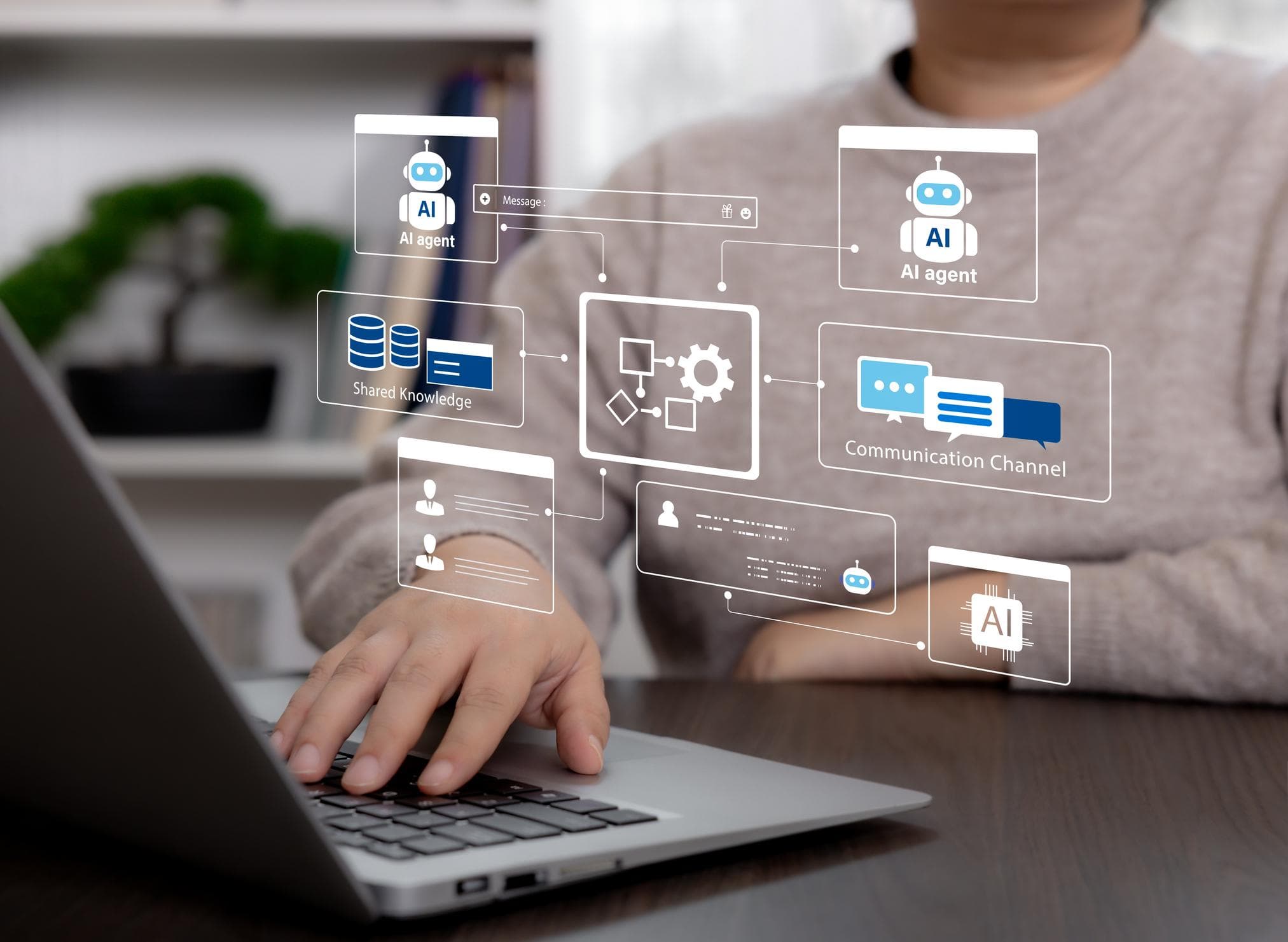
AI agents autonomous systems that perceive their environment, reason about objectives, and take action across enterprise workflows are moving from research concept to operational reality. The enterprises deploying AI agents at scale are discovering that workflow intelligence is not just about automation it is about creating organisational capability that compounds with every cycle.