The Shift from Enterprise Management Software to AI Execution Systems
Enterprise management software tells you what is happening. AI execution systems act on what is happening. The shift from systems that inform to systems that execute is the most consequential technology transition in enterprise operations since the introduction of ERP and it is happening faster than most enterprise IT leaders have planned for.
Aditya Sharma
Author
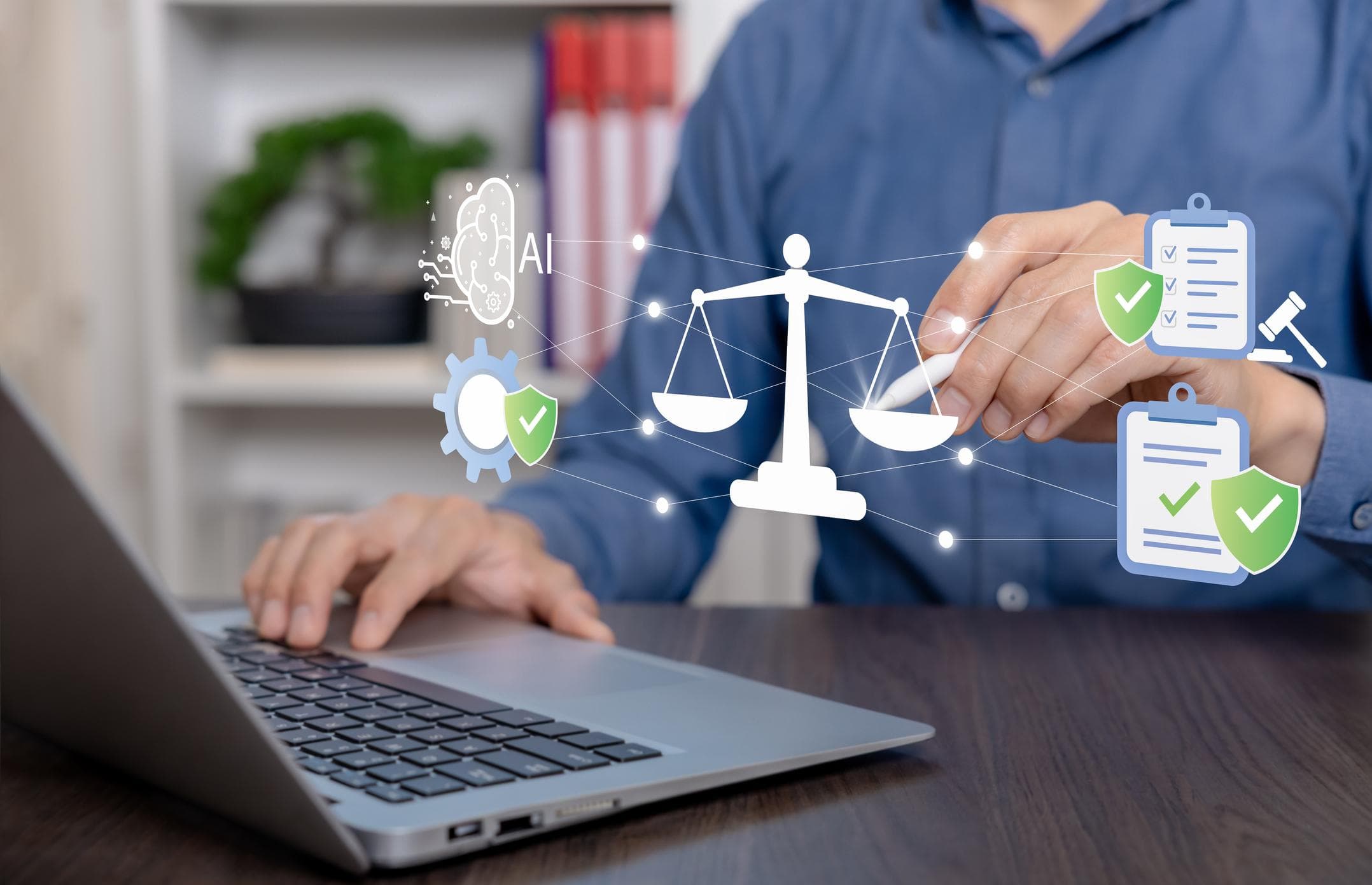
The enterprise software industry has spent forty years building systems that are extraordinarily good at one thing: capturing and presenting operational data. The ERP records every transaction. The CRM records every customer interaction. The WMS records every inventory movement. The HRIS records every personnel action. Together, these systems contain a nearly complete digital record of the enterprise's operational reality a record of extraordinary fidelity and depth that most enterprises are substantially underusing. The reason for the underuse is architectural: these systems were designed to record and report, not to act. They present dashboards that require humans to interpret. They generate reports that require humans to analyse. They surface alerts that require humans to respond to. The human is the execution layer the link between what the system knows and what the enterprise does with that knowledge. This architecture worked when human execution was the only option. It is becoming a bottleneck now that AI execution is available and the enterprises that continue to treat their management software as a record-and-report system, relying on humans for the entire execution layer, are operating with a structural efficiency disadvantage relative to those that have deployed AI execution systems that close the loop between knowing and doing.
The Record-and-Report Architecture: Why It Creates an Execution Gap
The execution gap in the record-and-report architecture is the time and quality difference between what the system knows and what the enterprise does with that knowledge. The ERP knows that Supplier X has been delivering late on three consecutive purchase orders. This knowledge is available in the system. Converting it into action a performance conversation with the supplier, a qualification of an alternative supplier, an adjustment to the safety stock for the affected SKUs requires a human to query the ERP, review the delivery history, assess the pattern's significance, decide on a response, initiate the response through the appropriate workflow, and follow up to confirm completion. This sequence takes days to weeks. The knowledge was available immediately.The execution gap across an enterprise of 10,000 employees, managing thousands of supplier relationships, hundreds of product lines, and dozens of sales channels, is the aggregate of millions of these individual record-to-action sequences happening every day each one taking longer than it needs to, each one consuming human capacity that could be directed to higher-value work, and each one representing an opportunity for AI execution systems to close the loop faster and more completely than the human-execution model allows.
The AI Execution System Architecture: What Is Different
An AI execution system is not a management software upgrade. It is a different architectural category. Management software captures data and presents it. An AI execution system captures data, interprets it, decides how to respond based on predefined logic and learned patterns, and executes the response all without waiting for a human to initiate the execution cycle. The ERP-plus-AI-execution-layer architecture produces a fundamentally different operational model: the ERP records the supplier's late delivery. The AI execution system detects the pattern of three consecutive delays, triggers a supplier performance alert, assigns a review task to the procurement manager, generates a draft communication to the supplier, initiates a background qualification check for alternative suppliers, and adjusts the relevant SKUs' safety stock levels all within minutes of the third late delivery being recorded.The procurement manager's role in this architecture is oversight, not execution. They review what the AI has done, confirm that the response is appropriate, and handle the judgment-dependent elements the supplier relationship conversation that requires human tact, the strategic decision about whether to diversify the supply base or negotiate a performance improvement plan. The routine execution that previously consumed the procurement manager's time is handled by the system. The judgment-requiring work that only the human can do well receives the full attention of the human.
The Migration Path: From Management Software to AI Execution Systems
Enterprises cannot replace their existing management software infrastructure with AI execution systems in a single transition. The ERP, the CRM, and the WMS are the systems of record the authoritative data sources that the AI execution systems consume. The migration path is additive: the AI execution system is built as a layer that connects to, interprets, and acts on the data in the existing management software, rather than replacing it. This architecture preserves the investment in the existing systems while adding the execution capability they lack.The migration proceeds domain by domain, starting with the operational functions where the execution gap is largest and the AI execution value is clearest. Finance and procurement automation the domains where the AI execution of invoice processing, PO approval routing, supplier performance management, and settlement reconciliation produces the fastest and most clearly measurable ROI are typically the first migration targets. Operations and supply chain automation follow: production scheduling adjustments, inventory reorder execution, logistics partner management, and cross-border compliance monitoring. Marketing and customer management automation comes third: campaign performance management, customer segmentation and outreach, and lifecycle communications.
What SuperManager AGI Provides in This Architecture
SuperManager AGI is designed specifically for the additive migration path described above not as a replacement for the enterprise's existing management software, but as the AI execution layer that connects to those systems and adds the execution capability they lack. Its native connector architecture supports integration with the most common enterprise ERP, CRM, project management, and communication platforms, allowing enterprises to deploy the execution layer without replacing their existing data infrastructure. The AI execution logic is configurable at the domain level allowing each functional area to define its own execution rules, approval thresholds, and exception escalation protocols while the cross-domain intelligence layer operates above all functional domains to surface the cross-functional patterns that no single system's data reveals alone.

How Intelligent Workflow Networks Will Power the Next Generation of Enterprises
Related articles
View all →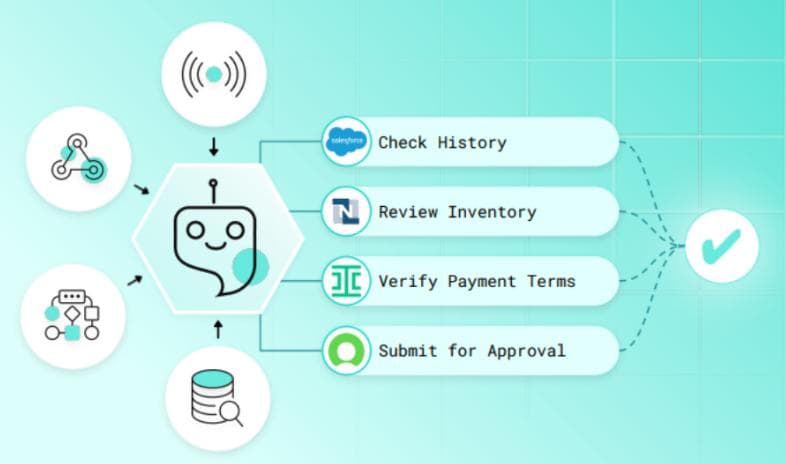 AI Execution
Why AI Execution Systems Will Define the Future of Enterprise Operations
The next frontier of enterprise competitive advantage is not strategy it is execution. AI execution systems that translate strategic intent into coordinated operational action, faster and more reliably than any human-managed process, are becoming the defining infrastructure of enterprise performance in every sector.
 Enterprise Management
The Future of Enterprise Management Through AI Execution Layers
Enterprise management is being restructured by AI execution layers intelligent systems that sit between strategic direction and operational action, translating intent into coordinated execution at a speed and consistency that human management hierarchies cannot match. The enterprises that deploy these layers effectively are redefining what management means and what managers do.
 Enterprise AI
The Enterprise Operating Model After the Rise of Autonomous AI
The enterprise operating model that was built for human coordination hierarchies, approval chains, monthly reviews, and manual handoffs is being structurally disrupted by autonomous AI systems that act, coordinate, and close loops without waiting for the next scheduled meeting. The organisations that redesign their operating model around AI execution will define the next decade of enterprise performance.