Why AI Agents Will Become Strategic Partners for Enterprise Leaders
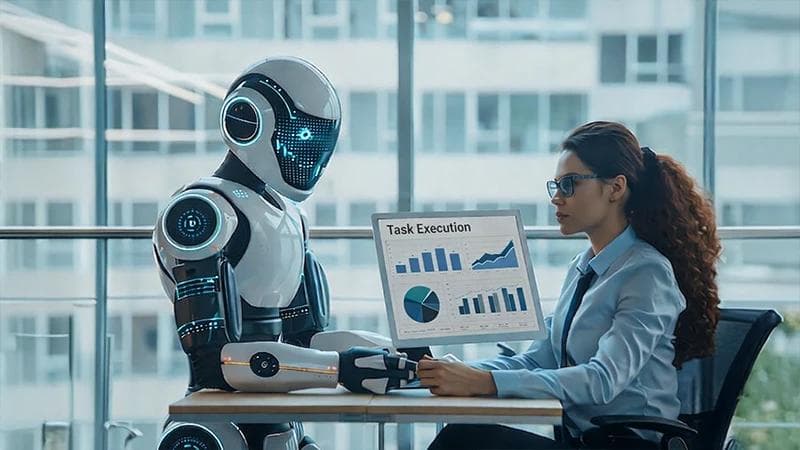
The AI agent that flags an anomaly is a tool. The AI agent that investigates the anomaly, assesses its strategic implications, identifies the available responses, and presents a structured recommendation with evidence that is a strategic partner. The transition from AI-as-tool to AI-as-strategic-partner is already beginning in the most advanced enterprise deployments.
Prince Kumar
Author
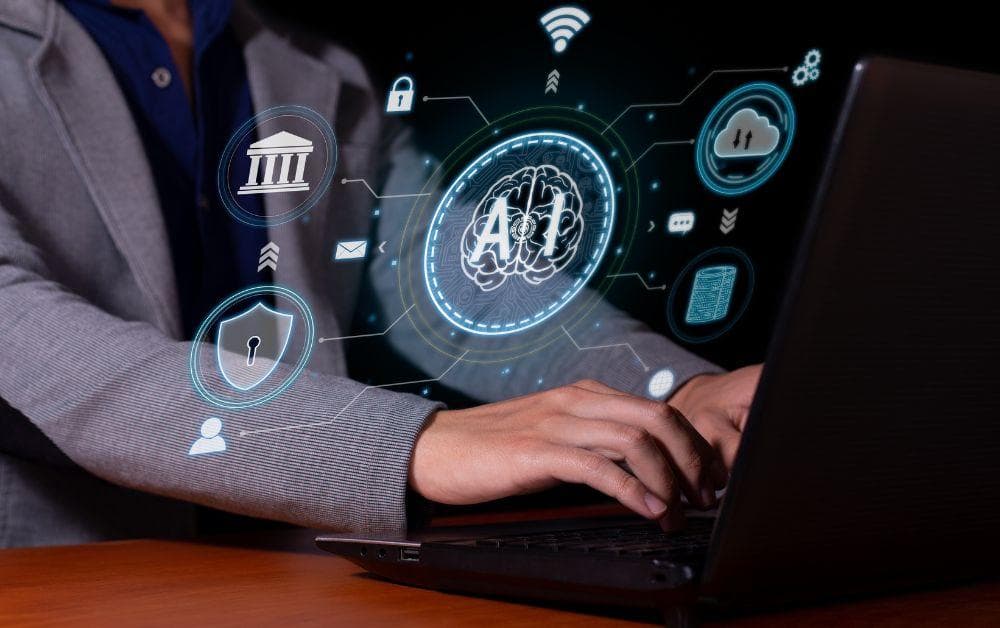
The history of management technology is a history of tools that gradually became essential infrastructure. The spreadsheet was a calculation tool before it became the universal medium for financial planning. Email was a communication tool before it became the primary coordination medium for global organisations. ERP was a transaction recording tool before it became the system of record for enterprise operations. In each case, the tool's role expanded as enterprises discovered that it could do more than the specific function it was originally designed for that it could become the substrate for a different kind of work, not just faster execution of the prior kind. AI agents are at the beginning of the same trajectory. In 2026, they are primarily deployed as automation tools executing specific, well-defined tasks faster and more consistently than human workers could. The trajectory leads to something fundamentally different: AI agents as strategic partners that augment executive decision-making with the analytical depth, the real-time data processing, and the cross-domain synthesis that human executives cannot sustain at the speed and scale the modern enterprise requires.
The Capability Gap That AI Agents Fill for Enterprise Leaders
Enterprise leaders face a specific and growing capability gap: the decisions they need to make are more complex, more data-dependent, and more time-sensitive than the information infrastructure they currently have can support. A global operations executive responsible for supply chains across 15 countries, manufacturing across 8 facilities, and distribution across 200 markets needs to make decisions with implications across all of these dimensions simultaneously. The human capacity to monitor 200 markets, synthesise signals across 8 facilities, and connect those signals to the strategic priorities of the organisation exceeds what any individual or any individual's support team can provide continuously.The AI agent that is continuously monitoring every relevant data signal across every relevant domain, that is capable of connecting a raw material supply disruption in one geography to its implications for production in three facilities and distribution in twelve markets, and that can synthesise this cross-domain analysis into a structured strategic brief for the executive within minutes of the signal emerging this capability directly addresses the gap. Not by replacing the executive's judgment, but by making that judgment far better informed than it could be from the filtered, delayed, summarised information that currently reaches decision-makers through human intermediary layers.
The Evolution from Tool to Strategic Partner: Three Stages
Stage 1: AI as execution tool (current dominant deployment mode)
In the current dominant deployment, AI agents execute defined, rule-based tasks: process invoices, monitor campaign performance against thresholds, flag inventory reorder requirements, generate standard reports. The human provides the task definition and reviews the output. The AI's contribution is speed and consistency it executes the task faster and more completely than a human would. The strategic value is operational efficiency: the same work done with fewer resources. This is valuable. It is not transformative.
Stage 2: AI as analytical partner (emerging in advanced deployments)
In the emerging stage, AI agents move from executing defined tasks to generating analysis that humans use to make decisions. The agent does not just flag that the supply chain disruption occurred it analyses the disruption's implications across the production schedule, the committed customer orders, the alternative sourcing options, and the financial impact of each response path, and presents a structured analysis with a recommended response. The human executive reviews the analysis, applies contextual judgment that the AI's model cannot fully capture, and makes the decision. The AI's contribution is analytical depth at a speed that human analysis cannot match. The strategic value is better-informed decisions made faster.
Stage 3: AI as strategic partner (next frontier)
In the next frontier, AI agents become integrated into the strategic planning and execution process not just analysing operational situations but contributing to strategic direction-setting through pattern recognition across historical data, competitive intelligence synthesis, market signal interpretation, and scenario modelling. The enterprise leader who has an AI strategic partner that continuously monitors the competitive landscape, models the implications of strategic alternatives, and brings relevant historical patterns to bear on current strategic choices is operating with a qualitatively different decision support capability than one whose AI investment is concentrated in operational automation.
The Specific Strategic Partner Capabilities That Enterprise Leaders Need
The capabilities that transform an AI agent from a tool into a strategic partner for an enterprise leader are specific and distinct from the capabilities that make a good automation tool. Contextual memory: the ability to connect current signals to historical patterns, prior decisions, and their outcomes the AI that knows the organisation's decision history and can bring relevant precedents to bear on current decisions. Cross-domain synthesis: the ability to connect signals from fundamentally different domains financial performance, supply chain status, customer satisfaction, competitive positioning into a coherent strategic picture that reveals implications that no single domain's data would surface.Scenario modelling: the ability to rapidly model the implications of alternative strategic responses under different assumptions about how the situation will evolve providing the executive with a structured view of the decision landscape rather than a single recommended path. Proactive pattern detection: the ability to identify emerging patterns before they become visible as problems the early warning system that gives strategic leaders the time to respond thoughtfully rather than reactively. These capabilities are not science fiction. They are the capabilities that the most advanced enterprise AI deployments are beginning to develop and that SuperManager AGI is architected to deliver across the operational and strategic dimensions of enterprise management.
The Governance Framework for AI Strategic Partnership
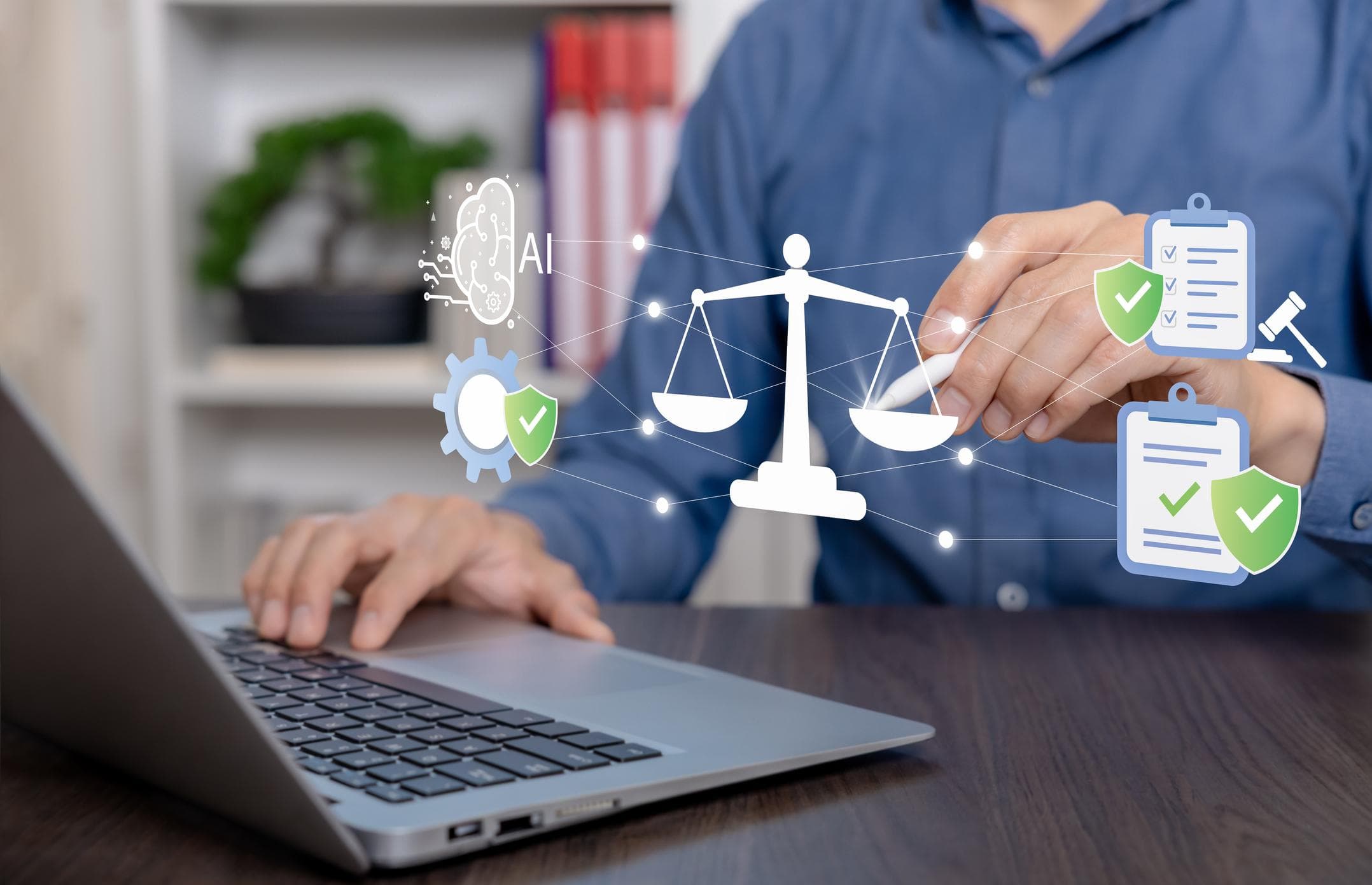
The strategic partnership between AI agents and enterprise leaders requires a governance framework that defines the boundary between AI recommendation and human decision with precision and transparency. The AI's analysis and recommendation are inputs to the human decision, not substitutes for it. The executive who accepts an AI recommendation without reviewing the underlying analysis is not managing a strategic partnership they are abdicating a decision to a system. The executive who reviews the AI's analysis, understands its assumptions, tests its logic, and makes an informed decision that may confirm or override the recommendation is the genuine strategic partner model.Building this governance framework requires three specific investments. Explainability infrastructure: the AI agent must be able to explain its analysis and recommendations in terms that the executive can evaluate not as a black-box conclusion but as a structured argument with transparent assumptions and evidence. Override logging and learning: when human executives override AI recommendations, those overrides should be logged with the executive's reasoning, and the AI's model should be updated to incorporate the executive's judgment pattern. Accountability structure: the human executive retains full accountability for the decisions made with AI assistance the AI is a partner, not a principal.
The Shift from Enterprise Management Software to AI Execution Systems
Related articles
View all →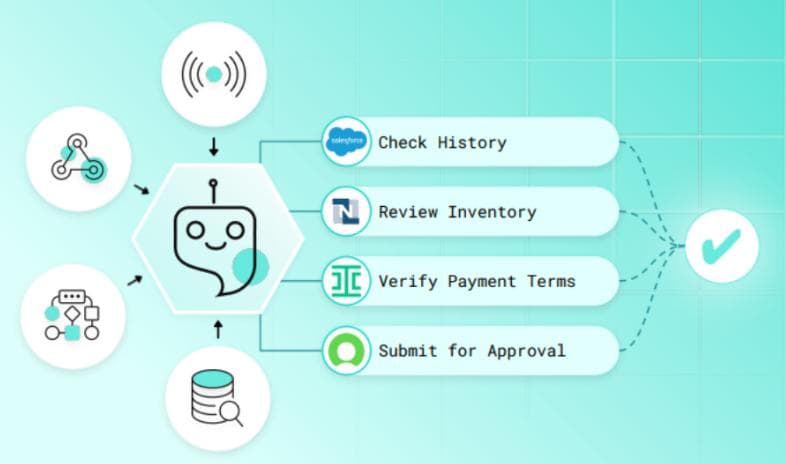 AI Execution
Why AI Execution Systems Will Define the Future of Enterprise Operations
The next frontier of enterprise competitive advantage is not strategy it is execution. AI execution systems that translate strategic intent into coordinated operational action, faster and more reliably than any human-managed process, are becoming the defining infrastructure of enterprise performance in every sector.
 AI Agents
How AI Agents Are Transforming Enterprise Workflow Intelligence
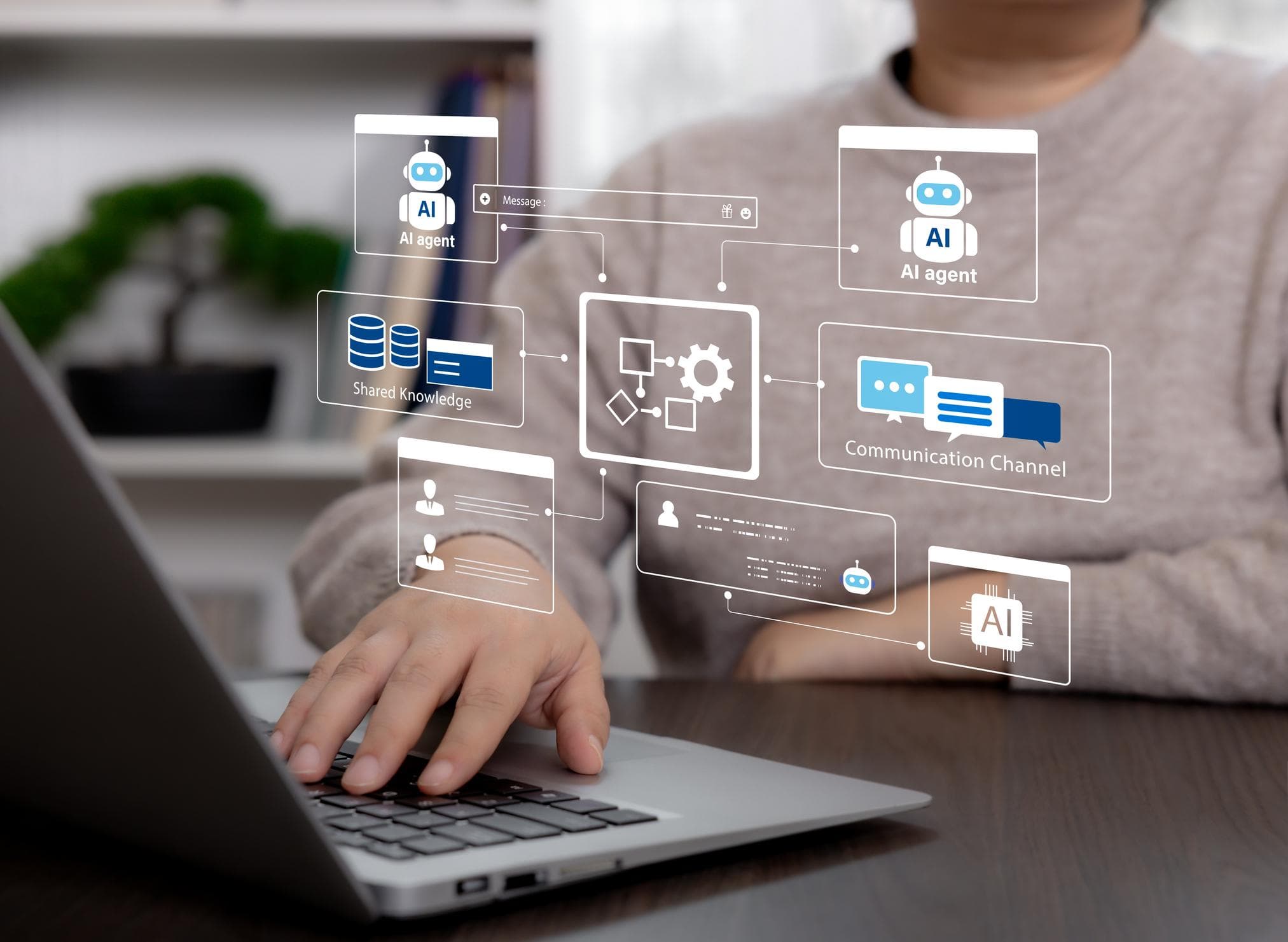
AI agents autonomous systems that perceive their environment, reason about objectives, and take action across enterprise workflows are moving from research concept to operational reality. The enterprises deploying AI agents at scale are discovering that workflow intelligence is not just about automation it is about creating organisational capability that compounds with every cycle.
 Enterprise Management
The Future of Enterprise Management Through AI Execution Layers
Enterprise management is being restructured by AI execution layers intelligent systems that sit between strategic direction and operational action, translating intent into coordinated execution at a speed and consistency that human management hierarchies cannot match. The enterprises that deploy these layers effectively are redefining what management means and what managers do.